Yellow Dog Vomit When To Worry
Is your dog vomiting yellow bile? Learn when it's serious and how to help your pup feel better fast.
A dog vomiting yellow bile is often due to an empty stomach causing bile to irritate the stomach lining, a condition sometimes called bilious vomiting syndrome. It's not typically an emergency if it's a single, isolated incident and your dog otherwise acts normal. However, you should contact your veterinarian if the vomiting is frequent, persistent, or accompanied by other symptoms like lethargy, diarrhea, or loss of appetite.
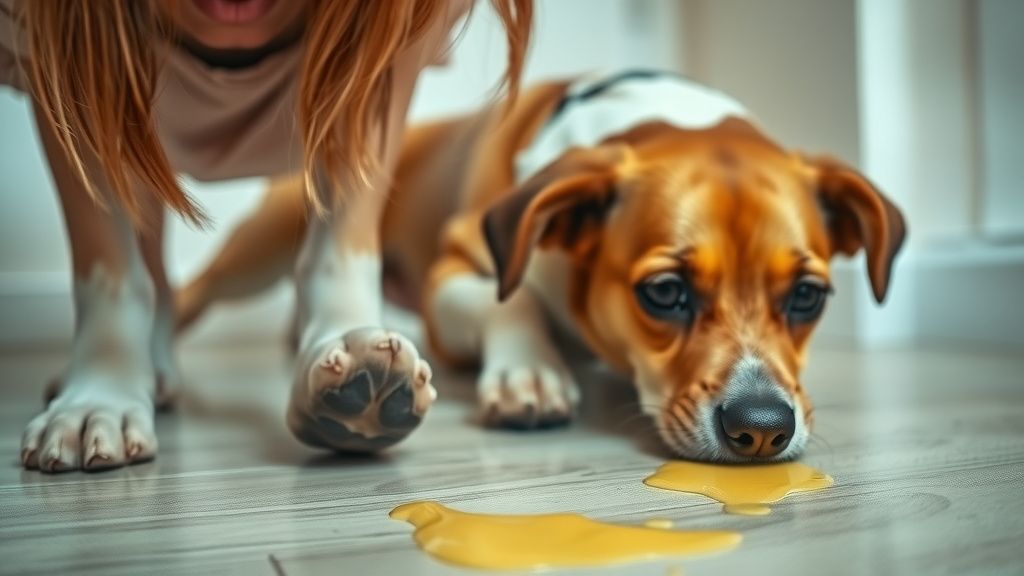
You wake up to a familiar, unpleasant sound. Your dog is retching, and soon you find a small puddle of yellow, frothy liquid on the floor. It's a sight that worries any dog owner. Is this a minor stomach upset or a sign of something serious? Seeing your dog throw up yellow bile can be unsettling, but understanding the "why" behind it is the first step to helping them feel better. As someone who has spent years writing about canine care, I can tell you this is one of the most common concerns dog parents face. The good news is that often, the cause is simple and manageable. The key is knowing when it's a simple fix you can handle at home and when it's time to pick up the phone and call your vet.
What Is Yellow Bile and Why Is My Dog Throwing It Up?
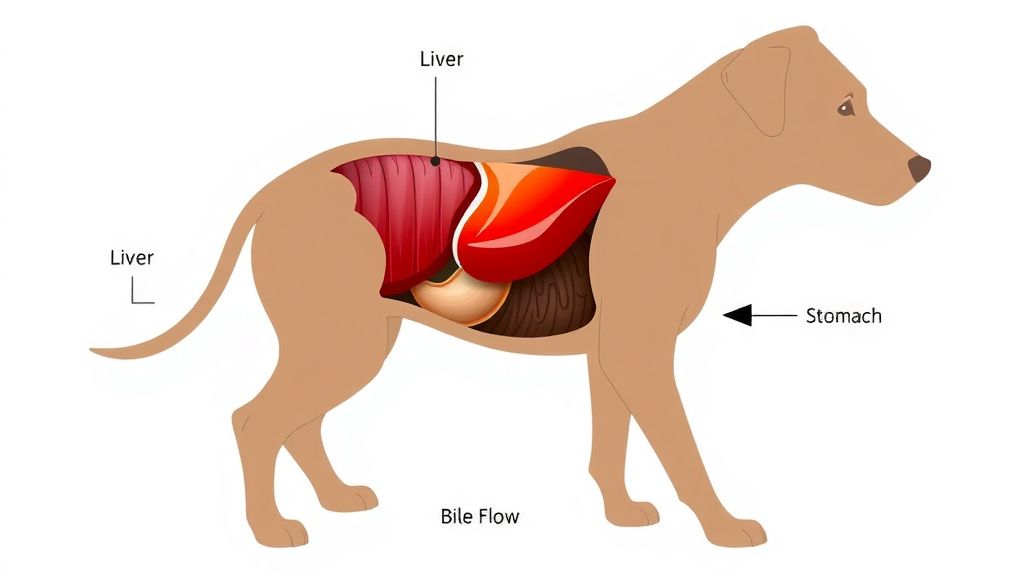
That bright yellow or greenish liquid is bile. Bile is a digestive fluid produced by the liver and stored in the gallbladder. Its job is crucial: it helps break down fats and neutralize stomach acids as food moves into the small intestine. Normally, bile is released into the small intestine to do its work. The problem starts when bile refluxes, or flows backward, into the empty stomach.
When a dog's stomach is empty for too long, often overnight, that bile can build up and irritate the sensitive stomach lining. This irritation is what triggers the vomiting reflex, resulting in that characteristic yellow vomit. This specific pattern is so common it has a name: bilious vomiting syndrome (BVS). Think of it like your dog's stomach acid getting bored with nothing to digest and starting to bother the stomach walls instead.
The most common scenario is a dog throwing up yellow foam or liquid first thing in the morning, before their breakfast. This points directly to the empty stomach theory. If your dog skips a meal or has a longer than usual gap between dinners, they might be more prone to an episode.
Common Causes: From Simple Stomach Upsets to Serious Concerns
While an empty stomach is the leading culprit, that yellow bile can sometimes be a symptom of other issues. It's your dog's way of signaling that something is off. Here’s a breakdown of potential causes, from the most benign to those requiring immediate attention.
Bilious Vomiting Syndrome (BVS)
As mentioned, this is often the diagnosis when other serious conditions are ruled out. It's characterized by recurrent vomiting of bile, usually after a long period without food. Dogs with BVS are often otherwise perfectly healthy and energetic. The vomiting episode might be a one-off morning event or happen sporadically. According to the American Kennel Club, introducing a late-night meal is often enough to solve the problem by keeping the stomach from being empty for too long.
Dietary Indiscretion
This is a fancy term for your dog eating something they shouldn't have. Scavenging garbage, getting into the compost, eating a new treat that didn't agree with them, or even eating too quickly can lead to stomach irritation and vomiting. The bile appears because the stomach is trying to clear out the irritant.
More Serious Medical Conditions
This is where pet parents need to be vigilant. Persistent yellow vomiting can be a sign of underlying problems that need veterinary diagnosis. These can include:
* Pancreatitis: Inflammation of the pancreas often causes severe vomiting, abdominal pain, and lethargy.
* Intestinal Blockage: If your dog swallowed a toy, sock, or other foreign object, the blockage can prevent food from moving through and cause bile vomiting.
* Infections: Viral or bacterial infections can upset the entire gastrointestinal system.
* Allergies or Food Sensitivities: A reaction to an ingredient in their food can cause chronic stomach inflammation.
* Liver or Kidney Disease: These organ conditions can lead to nausea and vomiting.
* Toxin Ingestion: This is a true emergency. If you suspect your dog ate something poisonous, seek help immediately.
When Is Yellow Vomit an Emergency? Red Flags to Watch For
So, how do you tell the difference between a simple empty stomach and a crisis? Occasional yellow vomiting that happens once and stops, especially in a dog that otherwise acts normal, may not be cause for immediate panic. However, a dog vomiting yellow consistently or in combination with other symptoms should never be ignored.
You should contact your veterinarian or an emergency clinic right away if you see any of these signs alongside the yellow vomit:* Repeated Vomiting: Multiple episodes in a short period, or vomiting that continues for more than 24 hours.
* Vomiting with Force: Projectile vomiting or unproductive retching (dry heaving).
* Other GI Symptoms: Diarrhea, especially if it's bloody or black.
* Lethargy and Weakness: Your dog is unusually tired, withdrawn, or has little energy.
* Loss of Appetite: Refusing food for more than one meal.
* Signs of Pain: Whining, a hunched back, or reluctance to be touched around the abdomen.
* Dehydration: Dry gums, sunken eyes, or skin that doesn't snap back quickly when gently pinched.
* Vomit Containing Blood: This can look like red streaks or coffee grounds.
* Suspected Ingestion: If you think your dog ate a foreign object, chocolate, grapes, xylitol, or any other toxin.
Trust your instincts. You know your dog best. If their behavior is off, even if the list of symptoms isn't long, it's always better to err on the side of caution and get professional advice.
What to Do at Home: Practical Steps for Care
If your dog has a single episode of yellow vomit and is acting perfectly normal afterward, you can try some supportive care at home. The goal is to rest the stomach and reintroduce food and water gently.
1. Pause Food and Water: Take away food and water for a short period, about 2 to 4 hours. This gives the irritated stomach lining a chance to settle. Offering water immediately can sometimes trigger more vomiting.
2. Offer Small Amounts of Water: After the brief rest, offer a few ice cubes or small tablespoons of water every 15-20 minutes. If this stays down, you can slowly offer more.
3. Reintroduce a Bland Diet: Once your dog can hold down water for a few hours, you can offer a bland meal. Always call your veterinarian for advice on when and what to feed once vomiting subsides. They might recommend a specific plan. A common bland diet is boiled, plain chicken (no skin, no bones) mixed with plain white rice or plain pumpkin. Offer a very small amount, like a teaspoon for small dogs or a few tablespoons for larger dogs.
4. Gradual Return to Normal Food: If the bland meal stays down for 4-6 hours, you can offer another small portion. Continue this for a day or so before very slowly mixing their regular food back in over the next 2-3 days.
I've found that keeping a can of plain pumpkin or some pre-cooked plain rice in the pantry is a lifesaver for these minor tummy troubles. For dogs with recurrent sensitive stomachs, a consistent, high quality diet is key. This is where exploring options like fresh dog food delivery services can be beneficial, as they often contain simple, whole ingredients that are easier to digest.
Veterinary Diagnosis and Treatment Options
If your dog needs to see the vet, what can you expect? Your veterinarian's main goal will be to determine if the vomiting is simple BVS or a symptom of something more serious. They will start with a thorough physical exam, feeling your dog's abdomen and checking their overall condition.
From there, they may recommend diagnostics such as:
* Bloodwork: A blood panel can check organ function, look for signs of infection, pancreatitis, or dehydration.
* X-rays or Ultrasound: These imaging tools are essential for spotting foreign objects, blockages, or abnormalities in the stomach and intestines.
* Fecal Test: To rule out parasites.
If the results point toward bilious vomiting syndrome, the treatment is often straightforward and non-invasive. Your vet will likely recommend management through dietary changes. The most common and effective suggestion is to feed your dog a late-evening meal. This meal helps buffer the bile in the stomach overnight and improves gastric motility, preventing that buildup of bile in the early morning. For some dogs, switching to more frequent, smaller meals throughout the day does the trick.
In other cases, your vet might prescribe medications to reduce stomach acid, protect the stomach lining, or improve gut movement. They may also recommend a specific therapeutic diet that is easy on the stomach. For dogs with anxiety related stomach issues, which can sometimes manifest as vomiting, our dog anxiety guide offers helpful complementary strategies.
Preventing Future Episodes
Prevention focuses on keeping your dog's stomach from becoming empty and irritated. Here are some proactive steps:
* Adjust Feeding Schedule: This is the number one tip. If your dog vomits yellow in the morning, try giving them a small, digestible meal right before bedtime. A portion of their dinner saved for later or even a small snack can make a world of difference.
* Choose Digestible Foods: Feed a balanced and complete diet that agrees with your dog. If your dog has a sensitive stomach, talk to your vet about the best options. For busy pet parents, a reliable dog food delivery service for a consistent fresh diet can help avoid sudden ingredient changes that might cause upset.
* Use Food Puzzles or Slow Feeders: These extend mealtime, preventing rapid eating and improving digestion.
* Manage Treats Wisely: Be mindful of high fat treats or rich human foods that can trigger pancreatitis. Opt for simple, single ingredient best dog treats and introduce any new treat slowly.
* Maintain Routine: Dogs thrive on consistency. Try to keep feeding times, walk times, and even treat times on a regular schedule to help regulate their digestive system.
For dogs who are picky or stressed eaters, sometimes the engagement of a dog subscription box with new, vet approved treats and toys can encourage them to eat their small nighttime snack.
Final Thoughts
Finding that puddle of yellow bile can be a worrying start to the day, but now you're equipped with the knowledge to handle it calmly. Remember, the occasional isolated incident in an otherwise happy dog is often just a sign of an empty, grumpy stomach. The simple act of providing a small bedtime meal can be a complete solution.
Your most important job is to be an observer. Watch your dog's behavior more than anything else. When that single vomit comes with a tail wag and a request for breakfast, you can likely manage it at home. When it comes with a loss of spark, repeated episodes, or any of those red flags, your veterinarian is your best partner. They can provide the testing and treatment that's right for your unique dog, giving you both peace of mind and a clear path back to health.
Recommended Products



Find the Perfect Box for Your Dog
Compare top-rated dog subscription boxes and find the best fit for your pup.
Compare Boxes