Complete Dog UTI Home Care Guide

Spot dog UTI signs like frequent urination or blood. Learn home remedies and when to urgently see your vet.
The most common dog UTI symptoms include frequent urination, straining to urinate, blood in the urine, and accidents in the house. A veterinarian will typically diagnose a UTI with a urine test and prescribe antibiotics as the primary treatment. Completing the full course of medication and ensuring your dog drinks plenty of water are crucial steps in home care.
You notice your dog asking to go outside more than usual. Or maybe you find a small puddle on the floor from a dog who is normally perfectly house trained. These subtle changes can be the first whispers of a urinary tract infection, a common but uncomfortable health issue for our canine companions. As a pet parent, seeing your dog in discomfort is worrying, and knowing what to look for and how to help is the first step to getting them back to their happy, healthy self. Urinary tract infections in dogs are more than just a nuisance. According to veterinary resources like VCA Animal Hospitals and PetMD, if left untreated, they can lead to more serious complications, including kidney infections. The good news is that with prompt veterinary care and proper home management, most UTIs clear up quickly. This guide will walk you through everything you need to know, from spotting the early signs to supporting your dog's recovery at home.
What Are the Most Common Dog UTI Symptoms?
Dogs can't tell us when they feel a burning sensation or urgency, so we have to be keen observers of their behavior. The signs of a UTI are often centered around changes in urination habits. The American Kennel Club and Vetster note that while symptoms are usually limited to the urinary tract, they can sometimes cause more general illness.
Here are the key symptoms to watch for:
* Frequent Urination or Asking to Go Out: Your dog may suddenly need to relieve themselves every hour, often passing only small amounts of urine.
* Straining or Difficulty Urinating: You might see your dog assume the position for a long time with little result, or they may cry or whimper while trying to go.
* Blood in the Urine (Hematuria): This is a classic sign. The urine may appear pink, red, or simply darker than usual.
* Accidents in the House: A previously house trained dog having accidents is a major red flag. It's not disobedience; it's a sudden, uncontrollable urge.
* Dribbling Urine: You might notice small drops of urine left where your dog was sleeping or sitting.
* Licking the Genital Area Excessively: This is an attempt to soothe the irritation.
* Strong or Unusual Odor to the Urine: The urine may smell particularly pungent or foul.
* Signs of Pain: Your dog might seem tense, cry out when their belly is touched, or show a general reluctance to move.
In more severe or advanced cases, the infection can cause systemic signs like lethargy, fever, or loss of appetite. If you notice any combination of these symptoms, it's time to call your veterinarian.
How Do Vets Diagnose and Treat UTIs in Dogs?
You should never try to diagnose or treat a UTI at home without professional guidance. What looks like a simple UTI could actually be a symptom of bladder stones, diabetes, or other serious conditions. Your vet's first step is to get a definitive diagnosis.
Diagnosis: More Than Just a Guess
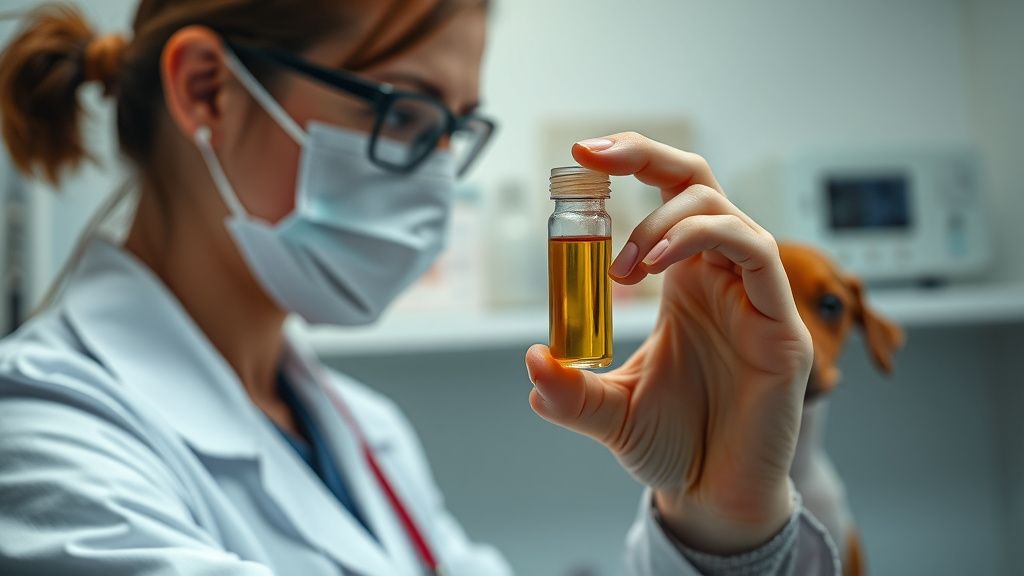
Your vet will typically perform a urinalysis. This test checks for the presence of bacteria, white blood cells (indicating inflammation), red blood cells, and crystals. They may also send a urine sample out for a culture and sensitivity test. This identifies the exact type of bacteria causing the infection and determines which antibiotic will be most effective, which is crucial for stubborn or recurring infections.
Professional Treatment Options
Based on the diagnosis, your vet will recommend a treatment plan.
* Antibiotics: This is the cornerstone of treatment for bacterial UTIs. As noted by CareCredit and the Animal Hospital of Clemmons, vets often prescribe a first line antibiotic for immediate relief. A typical course lasts seven to ten days. It is absolutely critical, as emphasized by the AKC, that you give the entire course of antibiotics, even if your dog seems better after a few days. Stopping early is a leading cause of recurrent, harder to treat infections.
* Pain Medication: UTIs are uncomfortable. Your vet may prescribe pain relief or anti inflammatory medication to make your dog more comfortable during recovery.
* Addressing Underlying Causes: If the urinalysis reveals bladder stones or crystals, treatment becomes more complex. As PetMD explains, your vet might recommend a special prescription dissolution diet, such as Royal Canin s/o or Hill's s/d, designed to help the body break down certain types of stones. In some cases, surgery may be necessary to remove stones.
Your Complete Home Care Guide for Dog UTI Recovery
Once your vet has provided a diagnosis and treatment plan, your role at home becomes essential for a smooth and complete recovery. Think of yourself as your dog's supportive nurse.
1. Administer All Medication Faithfully
This cannot be overstated. Set reminders on your phone or tie the medication to another daily routine, like feeding. If you struggle with pilling your dog, ask your vet about pill pockets or if the medication can be compounded into a tasty liquid. Completing the antibiotics is the single most important thing you can do to prevent a relapse.
2. Encourage Massive Water Intake
Flushing the urinary tract is key. Increased water intake helps dilute the urine, making it less irritating, and encourages frequent urination to literally flush bacteria out of the system.
* Always provide fresh, clean water in multiple bowls around the house.
* Consider a pet water fountain, as many dogs are attracted to moving water.
* Add water or low sodium broth to their kibble.
* Offer ice cubes as a treat.
* Incorporate wet food into their diet. Using a fresh dog food or freeze-dried dog food service that has higher moisture content can be a great long term strategy for urinary health.
3. Provide Frequent Potty Breaks
Give your dog ample opportunity to empty their bladder. The more they go, the more bacteria are expelled. Take them out immediately after they wake up, after meals, and after play sessions. Be patient and let them take their time.
4. Consider Supportive Supplements (With Vet Approval)
Always talk to your vet before adding any supplements to your dog's regimen.
* Cranberry Supplements: Some studies suggest cranberry may prevent certain bacteria from adhering to the bladder wall. However, it is not a treatment for an active infection. Use only vet approved products, as human cranberry juice is often high in sugar.
* Probiotics: These can help support a healthy balance of gut and urinary flora, especially during and after a course of antibiotics.
* D-Mannose: This is a simple sugar that, like cranberry, may interfere with bacterial adhesion. Its use should be guided by your veterinarian.
5. Maintain a Clean Environment
Keep your dog's bedding clean and ensure their living area is sanitary to prevent any external irritation or introduction of bacteria. For dogs with long hair around their rear, keeping the area trimmed can help maintain hygiene.
6. Monitor Closely and Schedule Follow Ups
Keep a simple log of your dog's urination habits, water intake, and overall demeanor. Note any improvements or new concerns. Your vet will likely request a follow up appointment or a repeat urinalysis to confirm the infection has fully cleared. This follow up monitoring is essential, especially for dogs prone to recurrent UTIs.
Can You Prevent UTIs in Dogs?
While not all UTIs are preventable, especially those related to anatomical issues, you can significantly reduce your dog's risk with some proactive care strategies.
Promote Hydration: Make the strategies from the home care section a permanent habit. A well hydrated dog is a healthier dog. Prioritize Diet and Weight Management: Feed a balanced and complete diet that supports urinary health. Obesity can contribute to a host of health problems. A consistent feeding routine from a trusted dog food delivery service can help you manage portions and quality. Never Hold It In: Provide regular, consistent bathroom breaks. For busy households, consider a dog walker if you're away for long hours. Practice Good Grooming: Regularly clean and trim the fur around the urinary opening, especially in female dogs. Manage Underlying Health Conditions: Properly manage diseases like diabetes or Cushing's disease, which can increase UTI risk, with regular vet care. Reduce Stress: Believe it or not, stress can impact a dog's immune system and habits. Providing a predictable routine, engaging toys, and a safe space can help. For dogs that seem particularly anxious, our dog anxiety guide offers more in depth strategies.When Is a Dog UTI an Emergency?
Most UTIs are urgent but not immediate, life threatening emergencies. However, you should seek emergency veterinary care immediately if your dog shows any of these signs:
* Complete Inability to Urinate: This is a blockage, which is a true medical emergency most common in male dogs. It can be fatal if not treated within hours.
* Visible Signs of Severe Pain: Whining, shaking, hiding, or aggression when touched.
* Lethargy or Collapse: This could indicate the infection has spread to the kidneys (pyelonephritis) or bloodstream.
* Vomiting along with Urinary Symptoms.
If you are ever in doubt, it is always better to err on the side of caution and call your vet or an emergency clinic.
Final Thoughts
Watching your dog struggle with a UTI is hard, but armed with the knowledge of what to look for and how to help, you can be their best advocate. Remember, your first and most important step is a visit to the veterinarian for an accurate diagnosis. From there, your loving care at home administering medication, encouraging water intake, and providing comfort will pave the way to recovery. By incorporating some of the preventative measures, like promoting hydration and a healthy diet with the help of convenient best dog subscription boxes for treats and chews, you can help safeguard your dog's urinary health for the long run. Pay attention to their habits, trust your instincts, and never hesitate to partner with your vet. Here's to many more happy, healthy, and accident free days with your furry best friend.
Recommended Products



Find the Perfect Box for Your Dog
Compare top-rated dog subscription boxes and find the best fit for your pup.
Compare Boxes