Train Your Dog's Reactivity With Desensitization

Master dog reactivity with a proven desensitization plan that builds calm confidence and strengthens your bond.
Dog reactivity training through desensitization works by gradually and systematically exposing your dog to their triggers from a safe distance where they stay calm, and pairing that exposure with high value rewards like best dog treats. A successful plan involves identifying your dog's specific triggers, establishing their fear threshold distance, and using controlled, incremental steps to build positive associations. Consistency, patience, and avoiding overwhelming your dog are key to changing their emotional response.
If your dog lunges, barks, or fixates on other dogs, people, or cars during walks, you’re not alone. Dog reactivity is one of the most common and challenging issues pet parents face. It’s stressful for you, your dog, and everyone around you. I’ve worked with countless reactive dogs over the years, and the frustration and helplessness owners feel is real. The good news is that reactivity is a behavior we can manage and improve, not a life sentence. The most effective, scientifically backed method for this is a structured desensitization and counterconditioning plan. This isn’t about forcing your dog to “behave” through dominance or punishment. It’s about understanding their fear or anxiety and gently teaching them a new, calfer emotional response. Think of it as rewiring their brain, one positive experience at a time.
What Exactly Is Dog Reactivity?
Reactivity is an overreaction to a specific stimulus. It often looks like aggression, barking, growling, lunging, pulling, but underneath that explosive behavior is usually a dog experiencing big, scary emotions like fear, anxiety, or frustration. As the experts at Paws N Play Dog Training point out, many dogs are “fear reactive.” Their outburst is a way to say, “That thing scares me, go away!” It’s a coping mechanism, not inherent aggression. Common triggers include other dogs, unfamiliar people, bicycles, cars, or loud noises. The first step in any training plan is becoming a detective for your own dog. What specifically sets them off? Is it all dogs, or only big black dogs? Is it men with hats? Joggers? Noting the specifics will shape your entire desensitization program.
The Core Principles: Desensitization & Counterconditioning
These two techniques are the gold standard for behavior modification. They work together to change how your dog *feels* about a trigger, which in turn changes how they *act*.
Crafting Your Step-by-Step Desensitization Plan
A generic plan won’t cut it. Your dog’s plan must be tailored to their unique triggers and threshold. Here’s how to build one that works, based on professional methodologies.
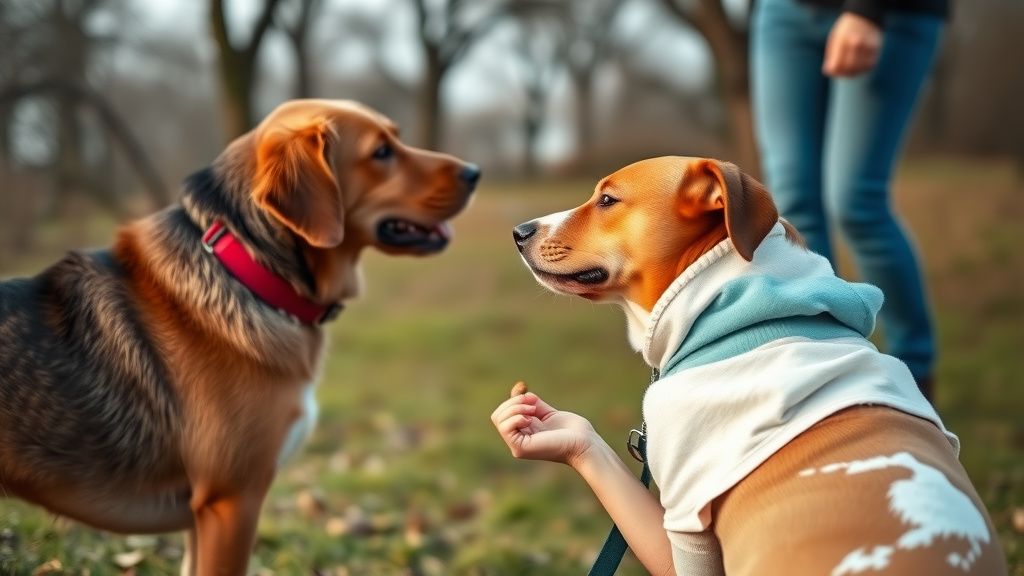
1. Find the Starting Distance (The Threshold)This is your most critical task. Grab your best dog treats, something irresistible like real meat or cheese, and find a controlled environment. A quiet park or even a parking lot near a trail can work. Have a helper with a calm “decoy” dog stand very, very far away. Watch your dog closely. The moment you see their body stiffen, their ears perk forward intensely, or they stop taking treats, you’ve found the edge of their threshold. That’s your starting line. For some dogs, this might be 50 yards; for others, it could be a full city block. The team at Black Paw Dog Training emphasizes that a perfectly controlled environment, where distance can be meticulously managed, is ideal for keeping a dog sub-threshold.
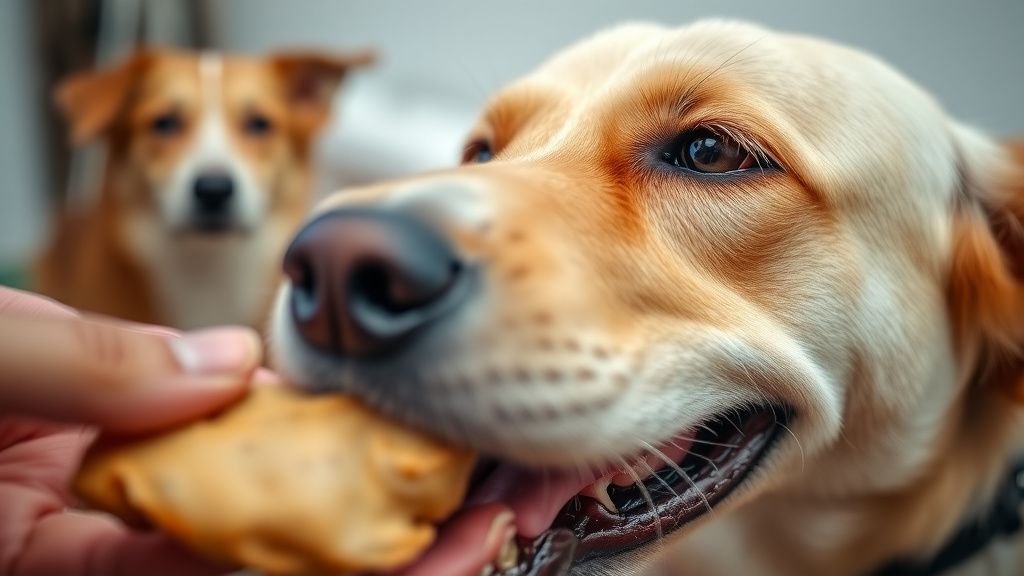
2. Create Positive AssociationsAt your starting distance, the moment your dog looks at the trigger and then back at you, mark that behavior with a “Yes!” or a clicker and give a treat. You’re not asking for a “sit” or a “look.” You’re simply rewarding the dog for noticing the trigger without reacting. Feed treats continuously as long as the trigger is present and your dog is calm. When the trigger disappears, the treats stop. This teaches the dog that the presence of the trigger predicts good things.
3. Gradually Decrease the DistanceThis is the “gradual” in gradual desensitization. Only move a few feet closer once your dog is visibly relaxed and happily expecting treats at the current distance. This could take minutes, or it could take several sessions over days. Rushing is the number one mistake. As Chewy’s guide wisely advises, it’s counterproductive to take a reactive dog into a stressful situation and expect them to be calm. If your dog reacts, you moved too fast. Don’t scold them; just calmly increase the distance until they relax again.
4. Add Variables SlowlyDistance is just one factor. Once your dog is comfortable at a closer distance with a static decoy dog, you might add mild movement, like the dog walking slowly. Later, you could practice with different types of dogs. The AKC’s sample plan is excellent for breaking down these variables. Always change only one thing at a time.
Modern Tools and Professional Support for 2026
Training a reactive dog can feel isolating, but you have more support than ever. The landscape of dog training is evolving with helpful technology.
AI and App-Based Coaching: As noted in the Petworks article on dog training trends, AI-powered virtual coaching apps are becoming more prevalent. These can analyze your logged training sessions, suggest customized plan adjustments, and offer real-time advice. For anxiety and reactivity, this kind of data-driven support can be genuinely helpful. The Value of a Professional: While apps are useful, there’s no substitute for a skilled human eye. A certified professional dog trainer or veterinary behaviorist, as Rover.com recommends, can be transformative. They can read subtle body language you might miss, ensure perfect timing, and provide moral support. For significant cases, an immersive board and train program, like the one described by Black Paw Dog Training, offers a controlled setting where progress can be accelerated safely. Management is Key: Training happens in brief, controlled sessions. The rest of the time, management protects your progress. This means avoiding known triggers. Choose walking routes at quiet times, use visual barriers like parked cars, and create a calm home environment. A predictable routine and excellent nutrition from a reliable fresh dog food or delivery service can also support a stable nervous system. Consider tools like a “dog subscription box” to keep novel, high-value rewards on hand for training sessions.What to Do During a Reactive Episode
Despite your best efforts, reactions will happen. Your response matters.
* Stay Calm: Your anxiety feeds theirs. Take a deep breath. Do not yell, jerk the leash, or punish.
* Create Distance: Your immediate job is to get your dog farther from the trigger. Move away calmly and quickly. Cross the street, turn a corner, or create a visual block.
* Don’t Reward the Reaction: Once the dog is over threshold and reacting, they are not learning. Wait until they disengage, even for a second, often after a big sigh or shake-off, then reward that moment of calm.
* End the Session: If a reaction occurs, it often means the session is over. Move to a truly quiet place or go home. End on a simple, positive note if you can, like practicing a known trick in a safe space.
Building Confidence Beyond Training Sessions
Reactivity often stems from a lack of confidence. Your training plan should include general confidence-building.
* Choice and Control: Let your dog make safe choices. Let them sniff freely on walks (sniffing is calming), and offer them puzzle toys.
* Foundation Skills: Solid obedience in low-distraction environments builds communication and trust. A reliable “watch me” or “u-turn” cue can be a lifesaver.
* Mental Enrichment: A tired brain is a calm brain. Use feeding toys, snuffle mats, and short training games. The novelty of a monthly best dog subscription boxes can provide new puzzles and engaging toys that build confidence at home.
* Health Check: Sometimes, reactivity is linked to discomfort. Regular vet check-ups are essential to rule out pain, which can lower a dog’s tolerance for stress. For ongoing anxiety, our dog anxiety guide offers more strategies.
Final Thoughts
Training a reactive dog is a journey of patience, observation, and compassion. It’s not a linear path. There will be breakthroughs and setbacks. Celebrate the small victories: the first time your dog glances at a trigger and then voluntarily looks back at you, or the walk that passes a block away from another dog without a peep. These moments are huge. Remember, the goal isn’t necessarily a dog who loves every stranger or wants to play with all other dogs. The goal is a dog who feels safe, can manage their emotions, and can navigate the world without constant fear. By committing to a thoughtful desensitization plan, seeking support when you need it, and consistently pairing scary things with wonderful rewards, you are giving your dog the greatest gift: the gift of feeling secure. You’re not just managing behavior; you’re healing their emotional world, one careful step at a time.
Recommended Products



Find the Perfect Box for Your Dog
Compare top-rated dog subscription boxes and find the best fit for your pup.
Compare Boxes