Best Dog Pancreatitis Diet Foods

Discover the right foods to soothe your dog's pancreas and the dangerous ones to avoid for a healthier recovery.
Feed your dog a low fat, easily digestible diet. Cooked lean meats like chicken or turkey, egg whites, and plain yogurt are safe. Avoid all fatty meats like pork and lamb, fatty treats, and table scraps. Many veterinarians recommend prescription low fat diets or carefully formulated homemade meals.

Seeing your dog suffer from pancreatitis is heartbreaking. The vomiting, the abdominal pain, the lethargy – it’s a clear sign their body is struggling. As a pet parent, your immediate question becomes, “What can I feed them to help them heal?” The answer lies almost entirely in managing dietary fat. Pancreatitis is an inflammation of the pancreas, and a high fat diet is one of the most common triggers. For dogs with chronic pancreatitis, which makes up about two thirds of cases, dietary management becomes a lifelong commitment to prevent painful flare ups. This guide will walk you through the exact foods to feed and avoid, drawing on veterinary expertise to give you a clear path forward.
Why Fat Management is Critical
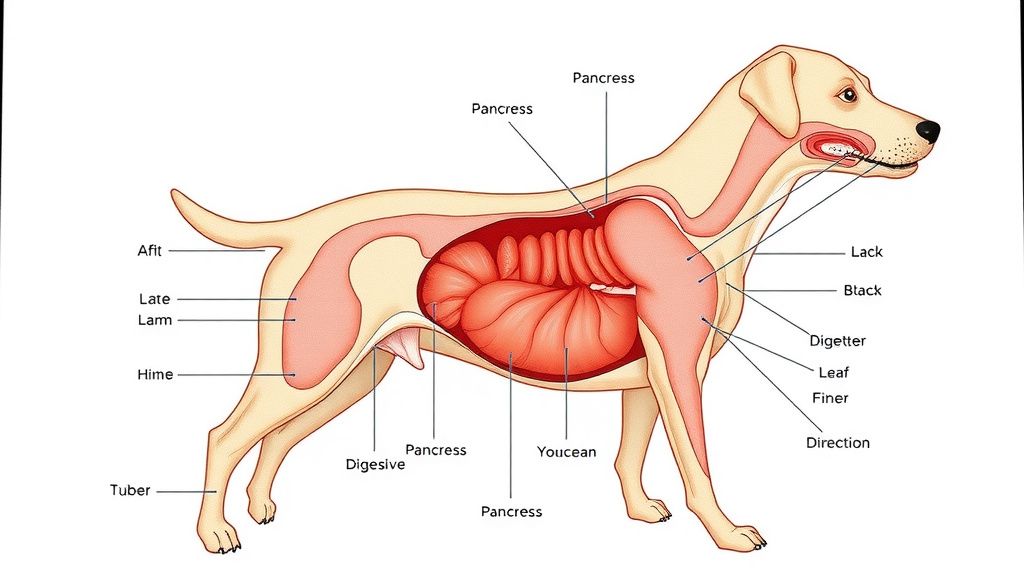
The pancreas produces enzymes to digest food, particularly fats. When it becomes inflamed, these enzymes can actually begin to digest the pancreas itself, causing severe damage. Feeding a low fat diet reduces the workload on the inflamed organ, allowing it to rest and recover. Research in the Journal of the American Veterinary Medical Association advises it is prudent to avoid high fat diets initially, as reducing fat can also help improve delayed gastric emptying, a common issue. For dogs prone to pancreatitis, even a single fatty treat can be enough to trigger an episode. This isn’t about a temporary fix. It’s about building a new, sustainable way of feeding that supports their health long term.
What Foods Are Safe for a Dog with Pancreatitis?
The goal is to select foods that are low in fat, easy to digest, and provide balanced nutrition. These can come from veterinary prescription diets, commercial over the counter options, or homemade meals prepared with care.
Veterinary Prescription Diets
Many veterinarians will start by recommending a prescription low fat diet. These are scientifically formulated to have precise, reduced fat levels and are often highly digestible. Examples from veterinary nutritionists include:
* Purina Pro Plan Veterinary Diets EN Gastroenteric Low Fat Canine Formula (6.8% crude fat)
* Hill’s Prescription Diet Digestive Care i/d Low Fat Dry Dog Food (7.5% crude fat)
These diets provide a reliable, consistent option, especially during the initial recovery phase or for dogs with frequent flare ups. It’s crucial to discuss any diet change with your vet, as they can recommend the best product for your dog’s specific case.
Safe Ingredients for Homemade or Supplemental Feeding
If you are preparing meals at home or looking for safe toppers or treats, focus on these low fat options. Cooking meats is generally recommended over feeding raw, as cooking further reduces fat content and makes the food easier to digest for a recovering pancreas.
* Lean Proteins: Opt for lean cuts. Skinless chicken breast, turkey breast, and low fat beef are good choices. Organ meats like heart, kidney, and liver can be included in small amounts for nutrients but avoid fatty organs.
* Egg Whites: A fantastic low fat protein source. Skip the yolks, as they are high in fat.
* Plain Yogurt: Low fat or non fat plain yogurt can offer probiotics and protein. Ensure it has no added sugars or flavors.
* Carbohydrates: White rice is commonly used in homemade diets for its easy digestibility. Barley is another good option. These provide energy without high fat.
* Vegetables: Non starchy, cooked vegetables like carrots or green beans can add vitamins and fiber in moderation.
When choosing any commercial food, even non prescription, always check the label. Your veterinarian can help you decipher it to ensure the diet is truly low in fat and appropriate for your dog’s condition.
What Foods Must You Avoid?
This list is perhaps more important than the safe list. Avoiding trigger foods is the best prevention. Fatty foods are the primary enemy, but some other ingredients can also worsen the condition.
High Fat Meats and Products
* Pork and Lamb: These meats are consistently highlighted across veterinary sources as being high in fat and should be avoided.
* Fatty Cuts of Beef: While some lean beef is okay, avoid richer cuts like ribeye or ground beef with high fat percentages.
* Processed Fatty Foods: This includes all table scraps like cheese, butter, bacon, fat trimmings from meat, and gravy. Even small amounts can be dangerous.
* Certain Fish: Some fish types are oily and high in fat, so consult your vet before offering fish.
Other Risky Foods
* High Fat Dog Treats: Many commercial treats, especially jerky types, baked goods, or training treats, are loaded with fat. You’ll need to seek out specifically low fat alternatives.
* Human Snacks: Things like chips, crackers, or pastries often have hidden fats and are not suitable.
* High Fiber Diets: According to VCA Animal Hospitals, while low fiber diets aid digestion for pancreatic patients, some over the counter low calorie diets are high in fiber, which may not be best. Always verify the fiber content.
The rule is simple: if it’s rich, fatty, or greasy, it’s off the menu. This vigilance is key to managing both acute recovery and chronic prevention.
Should You Feed a Homemade Diet or a Commercial Diet?
This is a personal decision that should be made with your veterinarian’s guidance. Both paths have merits and considerations.
The Case for a Homemade Diet
A homemade cooked diet allows you to control every ingredient. You can select the leanest meats, cook them to reduce fat further, and combine them with easy carbohydrates like rice. This can be very appealing for dogs who are picky or have lost their appetite due to pancreatic pain. Resources like SASH Vets list ingredients such as low fat beef, beef organs, egg whites, yogurt, barley, and rice as components of homemade diets. However, formulating a nutritionally complete and balanced diet on your own is complex. It’s not just about mixing chicken and rice. You must ensure adequate vitamins, minerals, and trace elements. Consulting a veterinary nutritionist is highly recommended if you choose this route long term.
The Case for a Commercial Diet
Prescription or high quality commercial low fat diets offer convenience and scientific assurance. They are formulated to be nutritionally complete, so you don’t have to worry about deficiencies. This can be a huge relief for busy pet parents. For dogs needing consistency, these diets are a reliable choice. When selecting an over the counter diet, have your veterinarian review the label to confirm it is truly low fat and low in residue (fiber), as some “light” diets may not be suitable.
In my experience, many pet parents start with a veterinary diet during the critical recovery phase and then, if their dog has only mild to moderate pancreatitis, may eventually transition to a carefully managed homemade or commercial diet under their vet’s supervision. Some dogs may even return to a more normal diet over time, but this should never be assumed without professional advice.
How to Transition Your Dog to a Pancreatitis Diet
A sudden diet change can stress your dog’s system, so transition slowly over 5-7 days, especially if their appetite is already reduced.
1. Start Small: Mix about 25% of the new low fat food with 75% of their old food for the first 2-3 days.
2. Increase Gradually: Move to a 50/50 mix for another 2-3 days.
3. Complete the Switch: Finally, offer 75% new food with 25% old food until you are feeding 100% of the new diet.
4. Monitor Closely: Watch for any signs of discomfort, vomiting, or diarrhea. If these occur, slow the transition further or contact your vet.
During this time, eliminate all fatty treats and table scraps immediately. Replace them with safe alternatives like a tiny piece of boiled chicken breast or a spoonful of plain yogurt. Finding new, low fat treats is part of the journey. Subscription services like our best dog subscription boxes can sometimes be curated to exclude high fat items, offering a convenient way to discover safe toys and snacks.
Long Term Management and Lifestyle Tips
Managing pancreatitis is often a lifelong endeavor. Consistency is your greatest tool.
* Strict No Scrap Policy: Everyone in the household must understand that table scraps, especially fatty ones, are forbidden. This single change can prevent countless flare ups.
* Regular Vet Check Ups: Maintain regular visits to monitor your dog’s condition and adjust their diet as needed.
* Weight Management: Keep your dog at a healthy weight. Obesity can contribute to pancreatic issues.
* Careful with New Foods: Introduce any new food, even a new brand of low fat treat, slowly and in tiny amounts.
* Consider Food Delivery: For consistency, a reliable fresh dog food delivery service that offers low fat formulations could simplify your routine, ensuring your dog always gets the right meal without you having to scrutinize new labels constantly.
Remember, about two thirds of cases are chronic. These dogs are likely to develop the disease more than once if their diet is not managed. Your vigilance directly impacts their comfort and quality of life.
Final Thoughts
Caring for a dog with pancreatitis requires a shift in perspective. Food becomes medicine. Every meal and every treat is a conscious choice to support their healing and prevent pain. While it may seem restrictive at first, many dogs thrive on their new low fat diets, enjoying improved energy and comfort. The key is to work closely with your veterinarian, use the safe food lists as your guide, and avoid the risky fats with unwavering discipline. Your effort builds a foundation for their wellbeing, turning your kitchen into a place of healing. For more guidance on supporting your dog’s overall health during stressful times, including illness recovery, our dog anxiety guide offers helpful complementary advice.
Recommended Products



Find the Perfect Box for Your Dog
Compare top-rated dog subscription boxes and find the best fit for your pup.
Compare Boxes