Home Remedies For Dog Diarrhea
Soothe your pup's upset tummy with safe home remedies, but know when to skip the kitchen and rush to the vet for urgent care.
For mild, uncomplicated dog diarrhea, vet approved home remedies include feeding small, frequent meals of a bland diet like plain boiled chicken and white rice, providing probiotics, and using fiber supplements. You must contact a vet immediately if the diarrhea is severe, lasts more than 48 hours, or is accompanied by symptoms like vomiting, lethargy, or blood in the stool.
Seeing your dog have an upset stomach is a stressful experience for any pet parent. One moment they're fine, and the next you're rushing to clean up an unpleasant mess, worried about what's causing it. Diarrhea is incredibly common in dogs, and while it often resolves on its own, knowing how to provide safe, supportive care at home is a crucial skill. I've been through this with my own dogs more times than I'd like to count, and having a clear plan makes all the difference. This guide will walk you through the vet approved home remedies you can try, highlight the dangerous "remedies" to avoid, and most importantly, outline the clear warning signs that mean it's time to pick up the phone and call your veterinarian. Let's get your furry friend feeling better.
What Are Safe Home Remedies for Dog Diarrhea?
Before you try anything, the universal first step is to speak with your veterinary team. A quick call can confirm that your dog's symptoms are mild enough for home management and rule out any immediate red flags. Once you have the green light, these are the supportive care strategies experts recommend.
The Bland Diet: Chicken and Rice

This is the most widely recommended initial approach. The goal is to give your dog's gastrointestinal tract a break by offering food that is easy to digest.
* What to use: Plain, boiled, skinless, boneless chicken breast (no seasoning) mixed with plain cooked white rice. The ratio is typically 1:2 (one part chicken to two parts rice).
* How to feed it: Offer very small, frequent meals. Think a few tablespoons for a small dog or a half-cup for a larger dog, given every 3-4 hours. This prevents overwhelming the sensitive gut.
* Important note: This diet is not nutritionally complete for the long term. It's a short term solution for 1-3 days to help stool firm up before you gradually transition back to your dog's regular food.
Probiotics for Gut Health
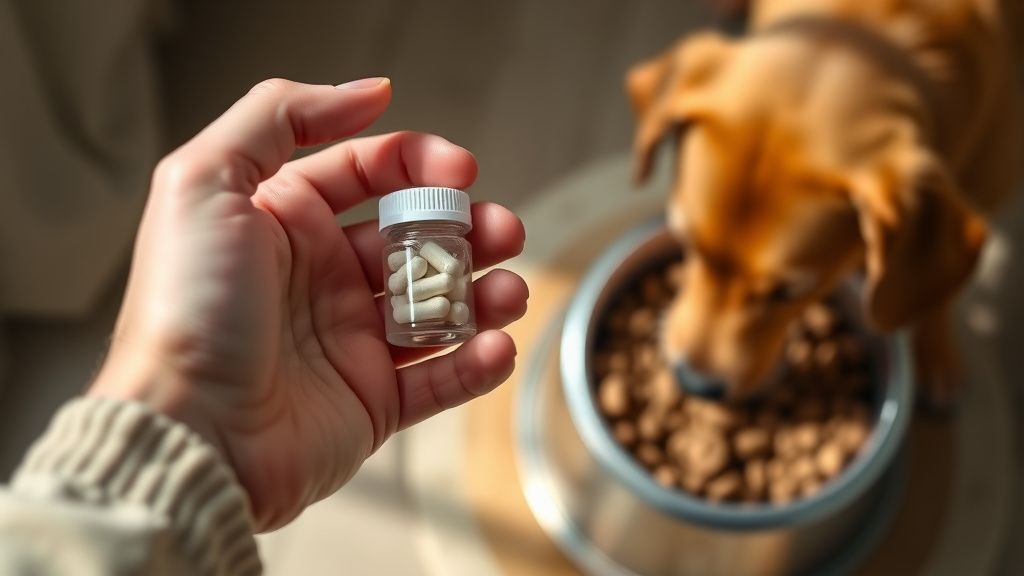
Probiotics are beneficial bacteria that help restore a healthy balance in your dog's intestinal microbiome. Many cases of simple diarrhea involve a temporary bacterial imbalance.
* How they help: They can crowd out harmful bacteria and aid in digestion and nutrient absorption.
* What to use: An over-the-counter veterinary probiotic is your best and safest bet. These are formulated specifically for dogs and ensure the correct bacterial strains. You can often find quality probiotics in some of the better best dog subscription boxes, which take the guesswork out of sourcing supplements.
Fiber Supplements
Adding fiber can help absorb excess water in the intestines and add bulk to the stool, which can slow down digestion and help resolve diarrhea.
* Common options: Plain canned pumpkin (not pumpkin pie filling) is a popular choice. Start with 1-4 tablespoons per meal, depending on your dog's size. Other options include psyllium husk or specially formulated veterinary fiber supplements.
* A word of caution: Too much fiber too quickly can have the opposite effect or cause gas, so start with a small amount.
Other Supportive Strategies
Research mentions a couple of other gentle options. Rice water (the starchy water left over after cooking white rice) can be offered as a hydrating drink. Some sources also note that catnip, surprisingly, has properties that may soothe a dog's upset stomach, though it's less commonly used.
What Home Remedies Are Dangerous for Dogs?
In our desire to help, we can sometimes reach for human medications or well intentioned but risky solutions. These two categories highlighted by veterinarians are particularly important to avoid.
Over the Counter Human Medications
Never give your dog any human medication without explicit direction from your vet.
* Pepto Bismol (Bismuth Subsalicylate): While it can sometimes be used for dogs in very specific doses, it's not generally recommended without veterinary supervision. The active ingredient is related to aspirin and can cause salicylate toxicity in dogs, especially if given repeatedly or to a dog with certain underlying conditions. It can also turn your dog's stool black, which can be mistaken for digested blood.
* Imodium (Loperamide): This anti-diarrheal can be extremely dangerous for some breeds (like Collies and Australian Shepherds) due to a genetic mutation, and it can worsen diarrhea caused by toxins or infections by preventing the body from expelling them.
Fatty or Rich Foods
It might be tempting to soothe your dog with a special treat, but rich, fatty, or dairy based foods can further irritate an already inflamed digestive system and make diarrhea much worse. Stick to the bland, boring diet.
When Is Dog Diarrhea an Emergency?
This is the most critical part of managing your dog's health. Home remedies are for mild, uncomplicated cases. You must seek immediate veterinary care if you observe any of the following warning signs.
* Blood in the stool: This includes bright red blood or a black, tarry stool, which indicates digested blood.
* Concurrent vomiting: If your dog is unable to keep water down, the risk of dehydration skyrockets rapidly.
* Lethargy, depression, or weakness: If your dog is unusually tired, won't get up, or seems "out of it."
* Signs of pain: Whining, trembling, a hunched back, or reluctance to be touched around the abdomen.
* Loss of appetite: Refusing food for more than 24 hours.
* The diarrhea is frequent, voluminous, or watery: This pattern leads to quick fluid and electrolyte loss.
* Your dog has a pre-existing health condition: Such as diabetes, kidney disease, or is very young, very old, or has a weakened immune system.
* Suspicion of eating a toxin or foreign object: If you think your dog ingested something like chocolate, xylitol, a toy, or fabric.
* Diarrhea persists for more than 48 hours despite bland diet and home care.
When in doubt, always err on the side of caution and call your vet. They would much rather answer your call than have you wait until a manageable problem becomes a critical one.
How Can You Prevent Future Upset Stomachs?
While not all diarrhea can be prevented, you can take proactive steps to support your dog's overall digestive resilience.
Mind What Goes In
Dietary indiscretion, eating something they shouldn't, is a top cause of diarrhea. Be vigilant about keeping trash secure, human food out of reach, and monitoring your dog during walks. When changing your dog's regular food, do so gradually over 7-10 days to allow the gut to adjust. If you're considering a switch to a gentler diet, exploring fresh dog food or freeze-dried dog food options, which are often highly digestible, can be a great conversation to have with your vet.
Build a Resilient Gut
Continuing a probiotic supplement even after the diarrhea resolves can help maintain a healthy gut flora. A consistent, high quality diet is foundational. Stress can also upset your dog's stomach, so providing a stable routine and support during anxious times is key. For dogs prone to stress related issues, our dog anxiety guide offers helpful strategies.
The Role of Diet and Treats
The treats you give matter. Opt for simple, easily digestible treats and avoid those with long lists of artificial ingredients or excessive fat. Sometimes, a sudden treat from a new bag is the culprit. Sticking with a trusted source for [dog food delivery] or known, simple ingredients can help avoid surprises.
Final Thoughts
Dealing with dog diarrhea is an unfortunate but common part of pet ownership. Having a plan empowers you to act calmly and effectively. Remember the core principles: start with a vet consult for approval, implement safe supportive care like a bland diet and probiotics, and know the emergency signs that demand professional help. By understanding both the helpful remedies and the potential dangers, you become your dog's best advocate for a quick and safe recovery. Keep these tips handy, and here's to many more days of happy tails and healthy digestion for your four legged friend.
Recommended Products



Find the Perfect Box for Your Dog
Compare top-rated dog subscription boxes and find the best fit for your pup.
Compare Boxes