Recognizing Canine Dementia Signs and Support

Uncover the signs of dog dementia and learn how to support your senior pup through its stages for a better quality of life.
Dog dementia, known as Canine Cognitive Dysfunction (CCD), is a progressive condition similar to Alzheimer's in humans, caused by age-related brain changes. Signs include confusion, changes in sleep cycles, loss of housetraining, and anxiety. While there's no cure, you can help by maintaining routines, providing mental stimulation, consulting your vet about special diets or supplements, and using safety measures at home.
Watching your dog grow old is a bittersweet journey. We cherish the gray muzzle and slower walks, but we also become watchful for subtle shifts in behavior. One of the most challenging age-related conditions to recognize is Canine Cognitive Dysfunction, commonly called dog dementia. It’s not just "getting old"; it’s a specific medical condition where a dog's brain undergoes changes that affect memory, learning, and awareness. As veterinary care improves and our dogs live longer, we’re seeing more cases of this cognitive decline. The signs creep in so gradually that we might dismiss them as simple aging, but understanding them is the first step to providing compassionate help. I’ve seen firsthand how a little knowledge and a lot of patience can make a world of difference for a confused senior pup and their worried family.
What Are the Signs of Dog Dementia?
The symptoms of CCD often mimic other health issues, which is why a veterinary checkup is essential to rule out problems like vision loss, arthritis pain, or urinary tract infections. According to experts, the signs typically fall into a few key categories, sometimes remembered by the acronym DISHA: Disorientation, Interaction changes, Sleep-wake cycle alterations, House soiling, and Activity level changes.

What Are the Stages of Canine Cognitive Dysfunction?
Research suggests CCD progresses across three general stages: early, moderate, and severe. Symptoms can overlap, and the progression rate varies for each dog.
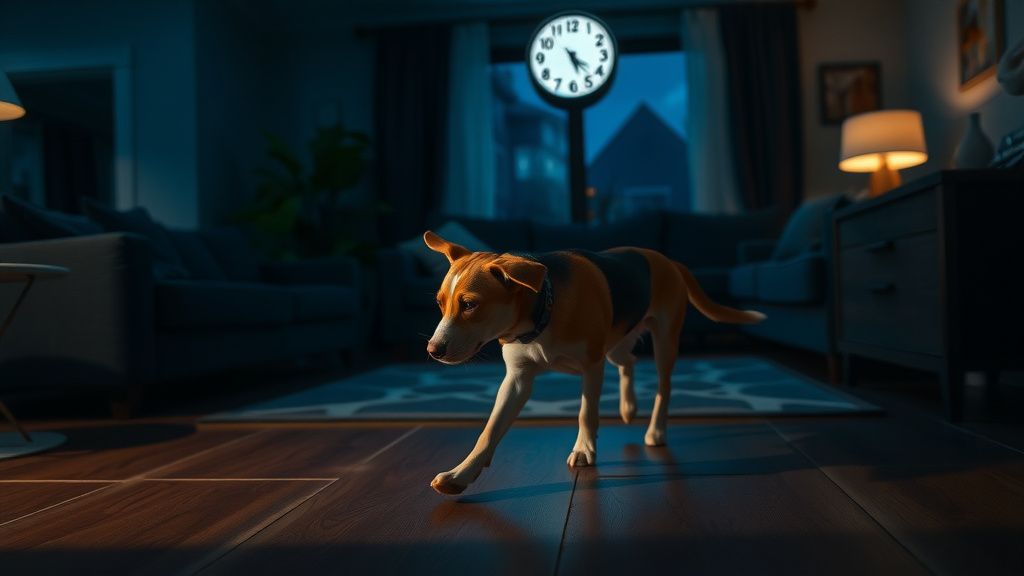
Early StageThe early signs are subtle and easy to miss. You might notice slight disorientation after dusk, minor changes in sleep patterns, or a bit less enthusiasm for a favorite game. They might hesitate momentarily at a door or seem slightly more anxious when left alone. Because these changes are slow, many owners attribute them to normal aging. Catching CCD at this stage offers the best chance to slow its progression through intervention.
Moderate StageSymptoms become more pronounced and frequent. Confusion in the home is regular, nighttime pacing and vocalization increase, and housetraining accidents happen weekly or even daily. Your dog may fail to recognize familiar people or pets occasionally. Changes in interaction are clear; they may seek constant contact or seem indifferent. Activity levels often drop significantly. At this point, the condition is usually unmistakable, and veterinary guidance is crucial.
Severe StageIn advanced stages, symptoms intensify. Severe disorientation and anxiety are common. Dogs may become lost in small, familiar spaces and fail to recognize their owners entirely. They may vocalize persistently, pace until exhausted, or exhibit repetitive behaviors. As noted in the research, some dogs can become severely anxious or even aggressive because they are perpetually confused and frightened. Basic functions like eating and drinking may decline, and they often need constant supervision for safety and care.
How Can You Help a Dog with Dementia?
While there is no cure for CCD, you can dramatically improve your dog's quality of life and potentially slow the disease's progression. Your approach should be a combination of veterinary care, environmental management, and daily support.
Work Closely With Your VeterinarianYour first step is always a thorough veterinary exam. Your vet will rule out other conditions and can discuss medical management. This may include:
* Prescription Diets: Some therapeutic dog foods are formulated with high levels of antioxidants, medium-chain triglycerides (MCTs), and other nutrients specifically designed to support brain health and cognitive function.
* Medications and Supplements: Your vet might prescribe medications to help with anxiety, improve sleep cycles, or enhance brain function. Supplements like SAMe (S adenosylmethionine), vitamin E, and ginkgo biloba have shown promise as antioxidants that may support cognitive function. Never start any supplement without your vet's approval.
Create a Safe and Predictable EnvironmentRoutine is a dementia dog's anchor. Keep feeding, walking, and bedtime on a strict schedule. Reduce clutter and hazards in your home. Use baby gates to block off stairs or unsafe areas. If your dog paces at night, consider confining them to a safe, comfortable space with waterproof bedding. For dogs that become lost in the yard, never leave them outside unsupervised.
Support Their Mind and BodyMental stimulation is still important, but it needs to be low pressure. Use gentle, positive reinforcement training for simple cues they know. Introduce puzzle feeders to make mealtime engaging. Short, gentle walks at the same time each day provide both sensory enrichment and physical exercise. For days when you need an easy, engaging activity, a curated dog subscription box can deliver new, safe puzzles and treats to try.
Adapt Your Care and CommunicationBe patient and gentle. Avoid startling your dog; approach from the front and speak calmly. Use hand signals along with verbal cues, as visual signals can sometimes be processed better. If accidents happen, never punish them; they truly do not understand. Instead, take them out more frequently. For anxious dogs, calming aids like pressure wraps or pheromone diffusers can be helpful.
Can Diet and Lifestyle Prevent or Slow Dementia?
While there's no guaranteed prevention, a brain healthy lifestyle throughout your dog's life may build cognitive reserve and support aging.
Nutrition for the BrainA balanced and complete diet is foundational. As your dog enters their senior years, talk to your vet about foods fortified with antioxidants (like vitamins E and C, beta carotene), omega 3 fatty acids (from fish oil), and MCTs. These components combat oxidative stress in the brain, which is implicated in cognitive decline. Whether you choose a commercial senior diet, fresh dog food, or another format, ensure it's formulated for senior cognitive health.
Consistent Mental ExerciseJust like humans, dogs benefit from "using it or losing it." Regular training sessions, learning new tricks (at any age), interactive toys, and nose work games keep their brain active. Socialization and novel experiences, like visiting a new park, also provide healthy mental challenges.
Physical Health ManagementRegular veterinary checkups are non negotiable. Conditions like chronic pain, untreated dental disease, or hypertension can exacerbate cognitive decline. Keeping your dog at a healthy weight and managing any arthritis pain ensures they stay mobile and engaged with their world.
Final Thoughts
Caring for a dog with dementia requires a deep well of compassion and a shift in expectations. The dog you knew is still there, but they need you to be their guide through a world that has become confusing. Celebrate the good days, and meet the difficult ones with patience. By recognizing the signs early, partnering with your veterinarian, and creating a supportive home environment, you can ensure your senior companion's golden years are filled with comfort, dignity, and love. The journey isn't easy, but the quiet moments of connection you still share are profoundly meaningful. Remember to seek support for yourself, too, as caring for a pet with special needs is both a labor of love and a significant responsibility.
Recommended Products



Find the Perfect Box for Your Dog
Compare top-rated dog subscription boxes and find the best fit for your pup.
Compare Boxes