Master Clicker Training For Dogs In 2026
Master clicker training in 2026! This easy guide teaches you to communicate clearly and shape your dog's perfect behavior.
Clicker training is a positive reinforcement method that uses a small handheld device to make a consistent clicking sound to mark the exact moment a dog performs a desired behavior, followed immediately by a reward. This method, based on operant conditioning pioneered by B.F. Skinner, helps dogs learn faster, retain commands longer, and builds a stronger bond by communicating clearly what you want them to do. It's effective for teaching new commands, shaping complex behaviors, and even capturing cute spontaneous actions.
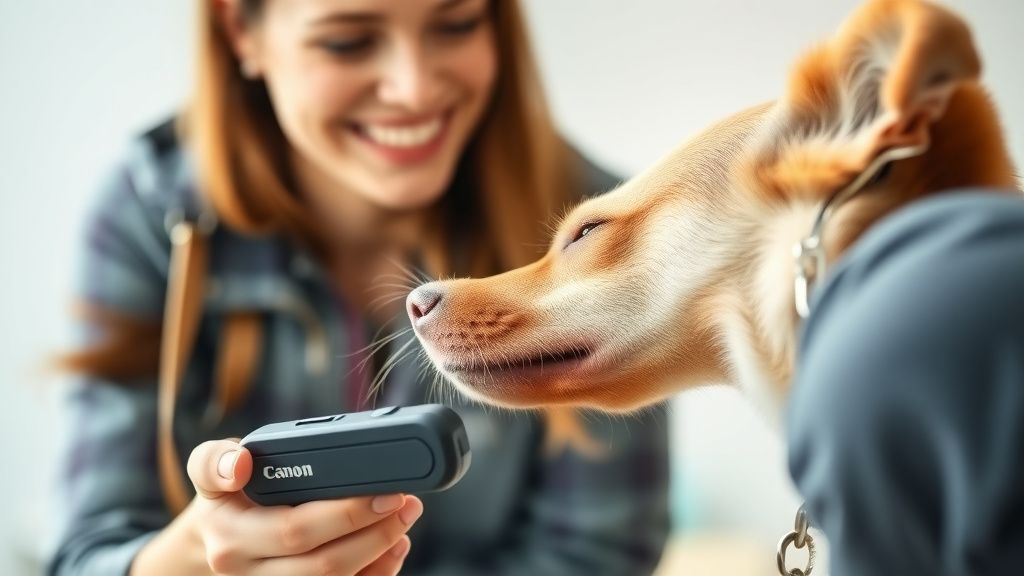
Imagine having a conversation with your dog where you can say "Yes, that's exactly what I wanted!" with perfect clarity, in a language they instantly understand. That's the power of clicker training. It's not about magic or gadgetry, it's about clear communication. This method turns training into a fun, collaborative game where your dog actively thinks and participates. Based on solid scientific principles, it's a technique celebrated by trainers, veterinarians, and organizations like the AKC for its effectiveness and positive impact on a dog's well-being. Studies show dogs trained with positive reinforcement, including clicker training, learn faster, retain commands longer, and show fewer signs of stress. Let's explore how you can start this rewarding journey with your canine friend.
What Exactly is Clicker Training?
At its core, clicker training is a form of communication. It uses a consistent, unique sound, the click, to "mark" the precise instant your dog does something right. This sound is then always followed by a reward, usually a tasty treat. Over time, your dog learns that the click means "good job" and that a reward is coming. The click becomes a "bridge" between the correct behavior and the treat, allowing you to give feedback from a distance or with perfect timing.
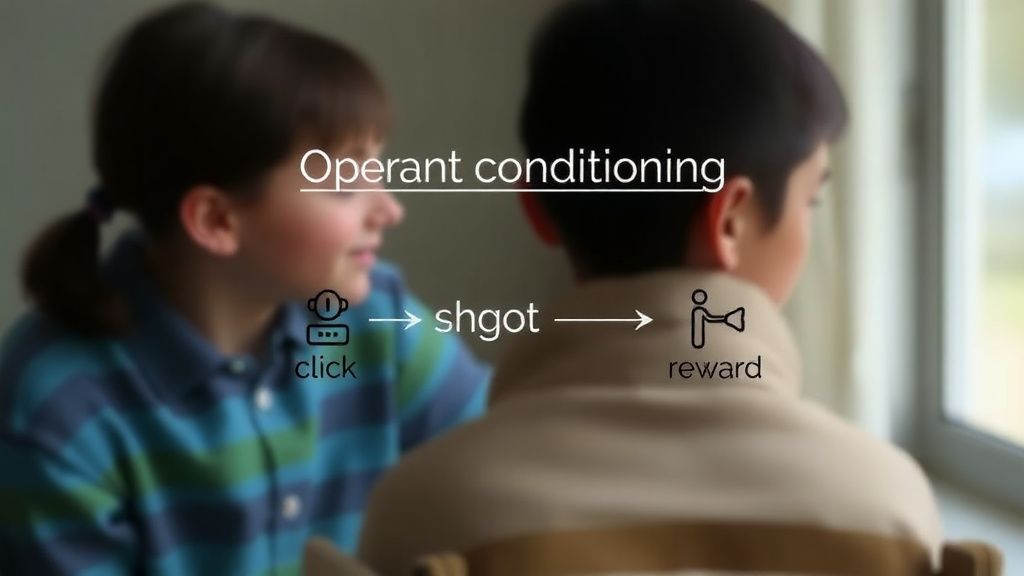
The science behind this is called operant conditioning, a learning process pioneered by psychologist B.F. Skinner. Animals tend to repeat actions that have positive consequences. The clicker makes that consequence incredibly clear. Unlike our voice, which can vary in tone and emotion, the click is always the same. It cuts through the noise of everyday life and tells your dog, without ambiguity, which specific behavior earned the reward. As the AKC notes, by telling your dog what to do, instead of what not to do, you can have an incredible effect on how your dog chooses to behave.
Getting Started: Your Clicker Training Toolkit
Before you make the first click, you'll need a few simple things. Gathering them ahead of time sets you up for success.
The Clicker: This is a small plastic box with a metal button that makes a distinctive "click" sound. You can find them at any pet store or online. Some people use a pen click or a consistent verbal marker like "yes," but a dedicated clicker offers the most consistent sound. High Value Rewards: Treats are the most common reward. Choose something small, soft, and irresistible to your dog. This could be tiny pieces of freeze-dried dog food, training treats, or even bits of their regular kibble if they're motivated by it. Remember, the treat comes *after* the click, every single time. If your dog isn't food driven, don't worry. Other rewards like praise, a quick play session with a favorite toy, or even access to a special spot can work perfectly. A Calm Environment: Start in a quiet, familiar room with minimal distractions. If you have more than one pet, Karen Pryor Clicker Training advises separating them for training sessions and letting them take turns. This helps your dog focus on you and the new game you're playing. Patience and a Plan: Keep initial sessions short, around 5-10 minutes. End on a positive note. I've seen many beginners try to train for too long; short, frequent sessions keep your dog engaged and eager for the next one.The Step by Step Beginner Process
Follow this sequence to build a solid foundation. Rushing ahead before your dog understands the basics will only cause confusion.
Step 1: Charge the Clicker
This is where you create the meaning of the click. Have your clicker and a pile of treats ready.
1. Click the device.
2. Immediately give your dog a treat.
3. Repeat this 10-15 times in a short session.
Do not ask your dog to do anything during this phase. You are simply building the association: Click = Treat. Once your dog hears the click and immediately looks for or expects a treat, the clicker is "charged."
Step 2: Capture a Simple Behavior
Now you'll use the click to mark a behavior your dog does naturally. A great first choice is "sit," as most dogs offer this frequently.
1. Wait for your dog to sit on their own.
2. As their bottom touches the floor, CLICK.
3. Then, give the treat.
You are "capturing" the behavior. After a few repetitions, your dog will often start sitting more frequently to get the click and treat. This is the learning process in action.
Step 3: Add the Verbal Cue
Once your dog is reliably offering the behavior (like sitting) to get the reward, you can add the word.
1. Say "Sit" clearly.
2. Wait for your dog to sit.
3. Click at the exact moment they sit.
4. Give the treat.
Now the verbal command is paired with the action and the positive marker. As wikiHow suggests, you can use the clicker to reinforce verbal cues you've already taught, making them stronger and more reliable.
Step 4: Shape More Complex Behaviors
For behaviors that don't happen naturally, like "roll over," you can "shape" them by clicking and rewarding small steps toward the final goal. Start by clicking for any movement toward lying down, then for a head turn, then for a partial roll, building toward the complete behavior. This encourages your dog to think and problem solve, which is incredibly rewarding for them.
Common Challenges and Solutions
Even with a great plan, you might hit a few bumps. Here's how to handle them.
My dog is scared of the click sound. Some dogs are sensitive to noises. Start by muffling the clicker in your pocket or behind your back. You can also try a quieter clicker or use a consistent verbal marker like "yes" instead. My dog isn't interested in treats. Motivation is key. Ensure you're using a truly high value reward. Try different options like small bits of fresh dog food, a special toy, or a quick game of tug. Also, train before a meal when your dog is more likely to be hungry, not after. I click too late or too early. Timing is everything. The click must mark the *behavior*, not the aftermath. Practice by clicking when your dog's actions meet your criteria (e.g., when the sit is complete, not when they start to stand up). It feels like a rhythm you'll quickly develop. My dog gets frustrated or confused. Keep sessions ultra short and positive. If your dog seems stuck, go back to a step they know well, reward generously, and end the session. Training should feel like a fun puzzle, not a pressure cooker. For dogs that show signs of stress, our dog anxiety guide offers broader calming strategies that can support your training environment.Advanced Tips for Everyday Life
Once you've mastered the basics, the clicker becomes a powerful tool for all aspects of life with your dog.
Capture Cute Behaviors: Carry your clicker around and "catch" adorable spontaneous actions, like cocking the head, chasing a tail, or holding up one foot. Click and reward! This not only strengthens your bond but can turn those quirky habits into tricks on command. Train in Real World Settings: Gradually add mild distractions. Practice in the backyard, then on a quiet sidewalk. The clicker's distinct sound can help your dog focus on you even in busier environments. Use it for Leash Manners: If your dog walks nicely beside you for a few steps, click and reward. This reinforces polite walking better than jerking the leash or saying "no." Integrate with Other Rewards: While treats are primary, you can also reward with a favorite toy from a dog subscription box or a quick petting session. The click tells your dog exactly what earned them that special playtime.Final Thoughts
Clicker training is more than a technique, it's a philosophy of communication. It shifts your relationship from one of correction to one of collaboration. You become a guide who shows your dog what works, and your dog becomes an engaged participant eager to learn. The clarity of the click reduces frustration for both of you and builds a trust that extends far beyond training sessions. Whether you're teaching basic manners, complex tricks, or simply capturing the joyful moments of being a dog, this tool empowers you to say "yes" with perfect timing. Keep your sessions light, your rewards generous, and your patience abundant. The progress you'll see, and the bond you'll build, is the greatest reward of all. For more on building a happy, well behaved life with your dog, explore our other posts on positive reinforcement techniques and creating a balanced routine.
Recommended Products



Find the Perfect Box for Your Dog
Compare top-rated dog subscription boxes and find the best fit for your pup.
Compare Boxes