GPS Dog Collar Subscriptions Worth The Cost

GPS dog collar subscriptions offer peace of mind, but their value depends on your pet's escape risk and your budget.
A GPS dog collar subscription is often worth the cost for reliable, real time tracking with superior accuracy and connectivity, especially for adventurous or escape prone dogs. However, a genuinely subscription free device can be a good fit for budget conscious owners who need basic tracking on their own property or in areas with strong cellular service. The decision hinges on your specific needs, your dog's lifestyle, and how much you value peace of mind.
You've found the perfect GPS tracker for your adventurous pup. It promises real time location updates, virtual fencing, and that priceless peace of mind. Then, as you're about to check out, you see it: a required monthly or annual subscription fee. That initial excitement can quickly turn to frustration. Is this just another bill, or is it the key to keeping your dog safe?
As a team that spends our days researching the best gear for dogs, from the best dog subscription boxes to fresh dog food delivery, we understand the value debate. A subscription can feel like a never ending cost. But in the world of GPS technology, that fee is often powering the very features that make the device effective. Let's break down what you're really paying for and help you decide if a subscription model is the right investment for your family.
What Are You Actually Paying For in a GPS Subscription?
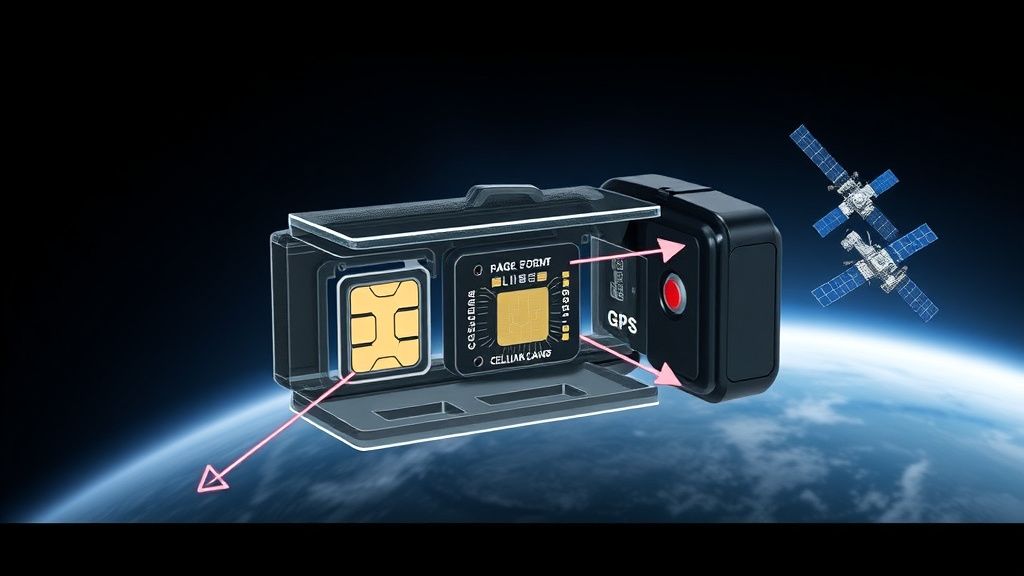
When you pay a monthly fee for a GPS collar, you're not just paying for the privilege of using the app. You're funding the continuous, behind the scenes infrastructure that makes precise, reliable tracking possible.
Think of it like a cell phone plan. You buy the phone (the tracker hardware) upfront, but you pay a carrier to connect it to towers, transmit your data, and provide customer support. A GPS subscription works on a similar principle. The fee typically covers several critical services.
First, it pays for cellular network access. Most consumer GPS trackers use a combination of GPS satellites to determine location and cellular networks (like LTE M) to send that location data to your phone. The subscription fee is your "data plan" for the SIM card inside the tracker. Without it, the device can't communicate with you.
Second, the fee supports the mapping and software platform. This includes the app development, map updates, server costs for storing location history, and the development of features like virtual fences, activity monitoring, and health insights. Companies like Tractive emphasize that their subscription ensures you get "the complete reassurance" of knowing where your dog is, no matter where their adventures take them.
Finally, as noted in our research, paying a bit more often "gets you more location accuracy and faster connection times." Subscription funded services can afford to use more advanced, multi network technology and faster data refresh rates, which is crucial when every second counts.
The Allure of "No Subscription" GPS Trackers: What's the Catch?
The idea of a one time purchase with no ongoing fees is incredibly appealing. Who wouldn't want to avoid another monthly bill? Our research shows there are legitimate options out there. Some trackers are, as Aorkuler points out, "genuinely free of monthly fees forever."

These devices typically work in one of two ways. The first type uses Bluetooth or radio frequency (RF) to create a localized connection. They're fantastic for knowing if your dog has left your yard or for finding a dog hiding nearby on a camping trip, but their range is limited to a few hundred feet. They are not true GPS trackers for long distance recovery.
The second type is a true GPS device that uses a public, crowd sourced network or requires pairing with your smartphone's GPS. This is where you must read the fine print. As a Reddit discussion in r/hikingwithdogs warns, it's "crucial to scrutinize the terms and conditions." Some may offer basic mapping without fees but lock critical features like real time tracking, location history, or geofencing behind a paywall. Others might rely on your phone being within range, which defeats the purpose if your dog is truly lost.
There's also a consideration of obsolescence. Technobark makes a compelling point: "that really stellar no fee collar that you pay $750 for today could be completely obsolete before you ever make up the amount you'd save on a subscription." Technology evolves rapidly. A subscription model often includes ongoing hardware updates and support, whereas a high upfront cost device might not receive critical software updates in a few years.
Subscription vs. No Subscription: A Side-by-Side Comparison
Let's put the two models head to head to see which might fit your life.
The Subscription Model (e.g., Tractive, Whistle, Fi)* Typical Cost: Device: $50 $200. Subscription: $7 $15/month or $70 $150/year.
* Best For: Dogs who travel, hike, or have a history of escaping. Owners who want live tracking on their phone from anywhere. Those who value features like detailed activity monitoring, location history, and escape alerts.
* Pros:
* Real time, global tracking (where cellular networks exist).
* Faster location updates and generally better accuracy.
* Advanced features like virtual fences, wellness reports, and multi user access.
* Ongoing software updates and customer support.
* Often more compact and lightweight hardware.
* Cons:
* Recurring cost that adds up over time.
* Requires cellular service for full functionality.
* Device may become useless if you cancel the subscription.
The No Subscription Model (e.g., SpotOn, some Garmin models, RF collars)* Best For: Containing dogs on large, rural properties without physical fences. Hunters or hikers in remote areas where cellular service is absent. Budget conscious owners who primarily need perimeter control.
* Pros:
* No ongoing monthly fees after purchase.
* Can work in areas with zero cellular coverage (using RF or satellite).
* Simple operation, often with no app required.
* Cons:
* Very high upfront cost (can be $500+).
* Limited range or lack of true remote tracking (for RF models).
* Hardware can be bulky.
* Features may not update, risking obsolescence.
A hybrid example is the SpotOn collar, which our research indicates "doesn't require a subscription unless you need to actively track your dog's location." This means the GPS fencing works without a fee, but live tracking on a map requires a plan. This is a great example of the tiered service model.
Making the Decision: Is a Subscription Worth It for YOU?
This isn't a one size fits all answer. It depends entirely on your dog's behavior, your lifestyle, and what you define as "peace of mind." Ask yourself these questions.
What is your dog's escape risk?If you have a Houdini hound who scales fences or bolts out doors, the investment in a subscription based, real time tracker is likely worth it. The cost of a subscription is minimal compared to the emotional toll and potential vet bills from a lost dog incident. For a more sedate dog who only roams in a fenced yard, a simpler, no fee boundary system might be perfect.
Where do you live and adventure?City and suburb dwellers with strong cellular coverage will get full value from a subscription tracker. If you live on a large farm or frequently hike in the deep wilderness, a subscription device may fail without service. In that case, a high end, no subscription RF fence or a satellite based device (which often has its own separate satellite plan, like Garmin inReach) may be the better, though more expensive, route.
What's your budget philosophy?Do you prefer a lower upfront cost and a manageable monthly fee, similar to your dog food delivery service? Or do you want to pay once and be done with it, even if that initial hit is significant? Calculate the total cost of ownership over 3 4 years for both options to see the real comparison.
Consider the value beyond just tracking. For some owners, the activity monitoring can reveal changes in a dog's health, and the virtual fence can prevent escapes that lead to accidents. This holistic safety approach can, as Halo Collar suggests, mitigate "veterinary bills from preventable incidents." If your dog suffers from separation anxiety that leads to bolting, a GPS tracker paired with our dog anxiety guide can be part of a comprehensive management plan.
How to Choose the Right Device for Your Needs
Once you've decided on a subscription or no subscription path, use this checklist to evaluate specific products.
1. Read the Fine Print on "Free": If a device advertises no monthly fees, research exactly what is included. Is it only basic tracking? Does it require your phone's Bluetooth to be on and nearby? Aorkuler's buyer's guide stresses that "no subscription means very different things depending on who's selling it."
2. Check the Network & Coverage: For subscription models, ask which cellular network it uses and check coverage in your area. For no fee models, understand the technology's range limitations.
3. Evaluate Battery Life: Our research shows top models offer up to 15 days on a charge. Consider how often you're willing to recharge a device. Long battery life is essential for peace of mind.
4. Consider Durability and Fit: The device should be waterproof, rugged, and attach securely to your dog's collar. Some no subscription models are chunkier, which may not suit small dogs.
5. Look at the App Reviews: The user experience is key. Download the app if possible, or read recent reviews to see if it's reliable, intuitive, and stable.
Remember, the most expensive or cheapest option isn't automatically the best. It's the one that reliably solves your specific problem. Just as you'd choose a freeze dried dog food for backpacking and a different option for home, choose the tracker that fits your unique scenario.
Final Thoughts
The question of whether a GPS dog collar subscription is worth it doesn't have a universal answer, but it does have a smart framework for finding your answer. For the vast majority of dog parents, especially those with curious or adventurous companions, the reliability, accuracy, and connected features of a subscription service provide a level of security that is well worth the monthly investment. It transforms the device from a simple locator into a connected safety system.
However, if your needs are specific to property containment or you frequently venture far beyond cellular towers, a well researched, truly subscription free device could be an excellent and cost effective solution in the long run. Whichever path you choose, the goal is the same: more adventures, less worry, and a safer, happier life with your dog. After all, that peace of mind is what we're all really investing in, whether it comes in a monthly bill or a one time purchase.
Find the Perfect Box for Your Dog
Compare top-rated dog subscription boxes and find the best fit for your pup.
Compare Boxes