Revolutionizing Pet Health Monitoring 2026

Discover 2026's smart pet tech: advanced wearables and AI apps for proactive health insights.
The most significant pet health tracking solutions in 2026 center on AI powered wearables, like smart collars that monitor vital signs 24/7, and integrated telemedicine platforms that connect real time data directly to veterinary professionals. These devices, along with smart feeders, advanced apps, and GPS trackers, work together to provide a complete picture of your dog's well being, enabling truly proactive and preventative care.
Remember the days when tracking your dog's health meant a notebook, a worried feeling, and frantic calls to the vet? I certainly do. The landscape of pet care has undergone a quiet revolution, moving from reactive worry to proactive, data driven partnership. In 2026, we're not just guessing if our dog is feeling off; we have a suite of sophisticated tools that give us a window into their well being, often catching subtle changes long before they become serious issues. This isn't about replacing the invaluable touch of your veterinarian, but about empowering you with information that makes every vet visit more productive. From collars that act like a canine Fitbit on steroids to apps that seamlessly integrate your dog's entire medical history, the future of pet health is intelligent, connected, and incredibly reassuring. Let's explore the devices and apps that are setting the new standard for informed dog ownership.
What Are the Core Technologies Powering 2026's Pet Health Trackers?
The magic behind today's most advanced trackers isn't magic at all. It's a sophisticated blend of hardware and software designed to work in harmony. Understanding these core components helps you see past the marketing and appreciate what you're really investing in for your dog's health.
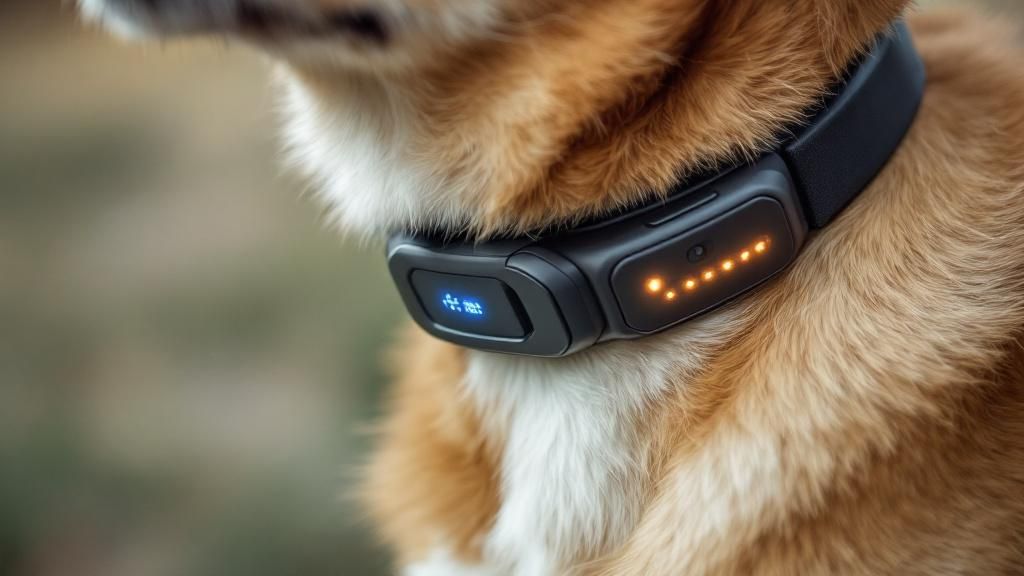
First, there's the hardware. This is the physical device your dog wears or interacts with. The research shows that smart collars and wearables are the most advanced pet technology devices available today. Companies like Garmin International are leaders in this space, offering devices packed with sensors. These aren't just step counters. Modern collars can monitor a range of vital signs and activities through a combination of accelerometers, gyroscopes, temperature sensors, and optical heart rate monitors. Some, like the PetPace collar, are specifically engineered for 24/7 health monitoring, transforming strong health data into AI driven insights. Stand alone devices also play a key role. Smart feeders and water fountains, highlighted at CES 2026, come equipped with their own cameras and sensors to meticulously track eating and drinking habits, spotting deviations that could signal anything from dental pain to kidney issues.
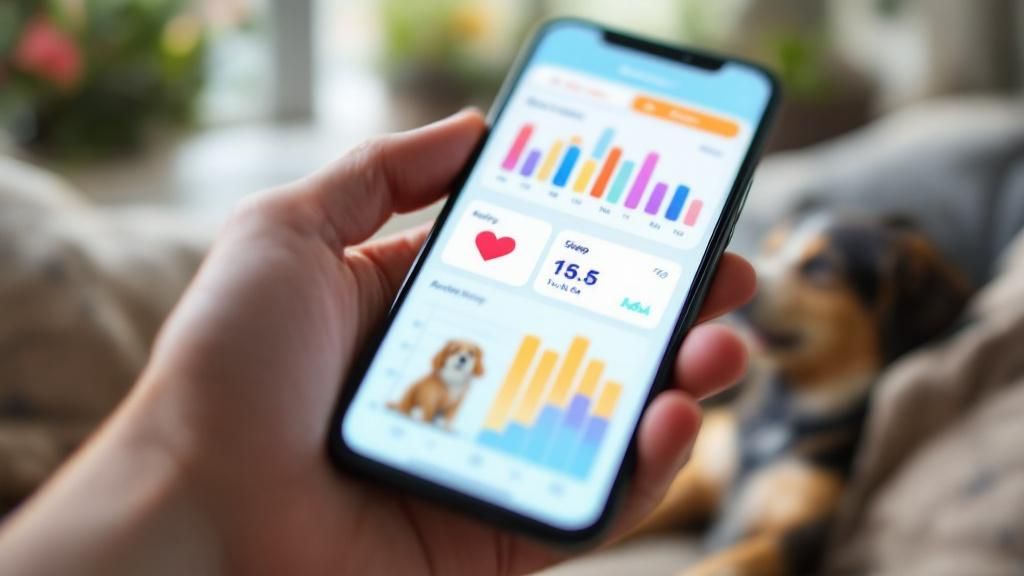
Second, and equally critical, is the software. This is the mobile app on your phone that serves as the command center. As noted by IDEXX Software, these apps are becoming comprehensive patient information hubs. They don't just display data; they analyze it. Advanced apps use machine learning to establish a baseline for your dog's normal activity, sleep patterns, and behavior. Then, they watch for small changes that could signal health issues. The software is what turns raw data into a near real time alert on your phone, notifying you if your dog's resting heart rate is elevated or if their sleep was unusually restless. This combination of smart hardware and intelligent software creates a complete pet health tracking system, moving us far beyond simple activity logs.
Which Smart Devices Offer the Most Comprehensive Health Monitoring?
With so many options, choosing the right device can feel overwhelming. The key is to match the device's capabilities with your dog's specific needs and your own concerns as an owner. The pet wearables segment, which includes smart collars, accounted for a significant market share of 45.3% in 2025, and 2026's offerings are even more refined.
For all around health vigilance, an AI powered smart collar is the cornerstone. Devices like those from PetPace and Felcana are designed by veterinary professionals to monitor vital signs continuously. They track parameters like heart rate, respiratory rate, temperature, and activity levels. The AI doesn't just collect this data; it analyzes it for anomalies and sends alerts directly to your phone. This means you could be notified if your dog is running a fever or showing signs of pain long before they start limping or refusing food. It's the ultimate tool for proactive care, especially for senior dogs, breeds prone to specific conditions, or pets recovering from surgery.
For situational awareness and safety, a dedicated GPS tracker like the Ultimate Pet Tracker from DocuPet is invaluable. While it monitors activity, its primary strength is real time location tracking. Features like geofencing, waterproof designs for outdoor use, and long battery life provide peace of mind for owners of escape artists or dogs who enjoy off leash adventures. It's a safety net that complements health focused wearables perfectly.
Don't overlook the environment. Smart feeders and water bowls are unsung heroes in health tracking. As seen at CES 2026, these devices use built in sensors and cameras to log exactly how much and how often your dog eats and drinks. A sudden decrease in dog water calculator or a slower eating pace can be early indicators of numerous health problems. When this data is integrated into your main health app alongside collar data, you get a remarkably complete picture of your dog's daily rhythms. It helps answer questions like, "Is he just being picky, or is there something wrong?" with actual data.
How Do Modern Apps and Telemedicine Integrate with These Devices?
A device is only as good as the insights it provides, and that's where 2026's apps truly shine. They are the glue that binds everything together, creating a smooth bridge between you, your dog's data, and veterinary care.
The modern pet health app is a centralized dashboard for your dog's life. As veterinary practices adopt more sophisticated software, apps are evolving into full service hubs. You can view your pet's vaccination history, set medication reminders, and even share vaccine records with a boarding facility with just a few taps. This integration is powerful. Imagine your dog's smart collar flags a week of unusually low activity. Instead of just seeing a graph, you can immediately access the app to check when their last joint supplement was ordered from your dog food delivery service or review notes from their last veterinary check up.
Telemedicine has moved from a novel convenience to a deeply integrated feature. Platforms are now more advanced and user friendly than ever. Companies like Felcana are built on delivering digital pet care with direct access to veterinary advice. Many top tier tracking systems now include or partner with telemedicine services. The workflow is transformative: your dog's device detects a potential issue, the app alerts you and provides a clear summary of the data, and with one button, you can start a real time video call with a licensed veterinarian who already has that health data on screen. This allows for informed, immediate triage. Is it an emergency requiring a frantic drive to the ER, or is it something that can be managed with advice and monitored at home? The app helps you make that critical decision quickly and calmly.
Specialized apps also cater to managing chronic conditions. The RVC Pet Diabetes app, for example, allows owners to log blood sugar levels, weight, and changes in appetite or thirst. It includes medication alerts and instructional libraries. This focused approach shows how apps are segmenting to provide expert support for specific health journeys, making chronic care management less overwhelming for pet parents.
What Should You Consider When Choosing a Health Tracking System?
Investing in a pet health tech system is a decision that should bring you peace of mind, not confusion. With insights from industry trends and expert reviews, here are the key factors to weigh before making your choice.
First, identify your primary goal. Are you most concerned about overall wellness and activity? A strong smart collar from a leader like Garmin might be perfect. Is your main worry a specific condition like arthritis or the early detection of illness? Look for a clinically focused device like PetPace that emphasizes vital sign monitoring and AI anomaly detection. For safety first owners, a reliable GPS tracker with geofencing is non-negotiable. Often, using two complementary devices, like a health collar and a standalone GPS tag, provides the most complete coverage.
Second, scrutinize the app experience. This will be your main interface. Read user reviews that emphasize reliable notifications and AI accuracy over flashy gimmicks. The app should present data clearly, allow for easy sharing with your vet, and integrate with other aspects of your dog's care. Can you log the new treats from your dog best dog subscription boxes to track for allergies? Can you see activity data alongside notes from your groomer? smooth integration is a hallmark of a top tier system.
Finally, consider the ecosystem and cost. Some systems operate independently, while others are part of a broader brand ecosystem. Also, think about subscription fees. Many devices require a monthly or annual plan to access advanced analytics, telemedicine services, or cellular GPS tracking. Factor this ongoing cost into your decision. The best system is the one you'll use consistently, one that fits your lifestyle and provides clear, actionable value that justifies the investment. In my experience, starting with a clear priority, whether it's activity, health monitoring, or safety, makes navigating the options much simpler.
Final Thoughts
The world of advanced pet health tracking in 2026 is ultimately about deepening the connection we have with our dogs. It's about translating their silent well being into a language we can understand and act upon. These devices and apps are not here to make us paranoid data analysts, but to give us confidence. They turn subtle cues into clear information, allowing us to be better advocates for our furry family members.
This technology empowers a shift from reactive to preventative care, catching small issues before they become big, expensive, and stressful problems. It fosters a more collaborative relationship with your veterinarian, where you arrive with logs and insights rather than just concerns. And perhaps most beautifully, it gives us one more tool to ensure our dogs live not just longer lives, but fuller, healthier, and more comfortable ones. As you consider integrating these tools, remember they work best alongside the fundamentals: balanced and complete nutrition, perhaps from a trusted dog food delivery service, regular exercise with those favorite best dog treats in your pocket for reward, and, of course, plenty of your loving attention. The tech is smart, but it's your care that makes it truly meaningful.
Recommended Products



Find the Perfect Box for Your Dog
Compare top-rated dog subscription boxes and find the best fit for your pup.
Compare Boxes