Top Functional Dog Food Ingredients For 2026
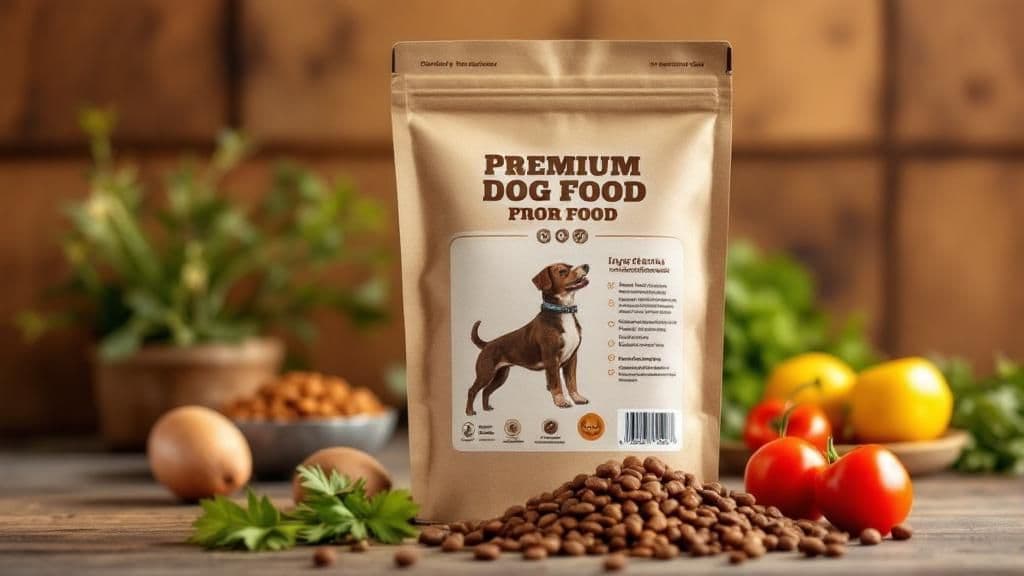
Unlock 2026's top dog food ingredients: novel proteins, smart fibers, and targeted probiotics for optimal health.
The top functional dog food ingredients for 2026 include postbiotics (heat-treated probiotics for gut health), green-lipped mussel (joint support), and novel sustainable proteins like black soldier fly larvae. Focus on ingredients with clinically proven benefits rather than trendy marketing terms.
As a dog care writer, I spend a lot of time reading labels and talking to experts. The conversation around what we feed our dogs has evolved dramatically, moving far beyond just protein and fat percentages. In 2026, the smartest pet parents are shifting their focus from simple ingredient lists to the purposeful, science backed components that actively support their dog's health. This isn't about following fads. It's about understanding the functional-1772888603487) ingredients that turn a bag of kibble from mere sustenance into a tool for vitality. Let's explore what these ingredients are, why they matter, and how you can spot them in your dog's food.
Beyond the Basics: What Are Functional Ingredients?
Functional ingredients are the added components in dog food that provide a specific, targeted health benefit beyond basic nutrition. Think of them as the built in supplements, the elements that support joints, digestion, skin, immunity, and cognitive function. While a complete and balanced diet is the non negotiable foundation, these ingredients are what help a dog truly thrive.
The research from leading sources like Whole Dog Journal and PetMD consistently highlights that the best dog foods now prominently feature these additions. They are moving from the realm of specialty veterinary diets into premium mainstream formulas. When you're evaluating a bag, it's no longer enough to just check the first ingredient for a meat source. You need to scan the entire label for these functional powerhouses and, crucially, look for their levels in the guaranteed analysis. A vague mention of "probiotics" or "omega fatty acids" isn't enough. The most transparent brands will specify the amount, giving you confidence in the benefit.
In my experience, this shift represents a more mature pet food market. We're applying the same principles we value for our own health to our dogs' diets, seeking out foods that do more than just fill the bowl.
The 2026 Functional Ingredient Powerhouse

Based on veterinarian recommendations and expert reviews from this year, several key functional ingredient categories have emerged as essential. These are the components repeatedly cited by brands like Hill's Science Diet, Purina Pro Plan, and Royal Canin, as well as by holistic veterinarians.
Joint Support: More Than Just Glucosamine
Joint health remains a top priority, especially for active, large breed, and senior dogs. The old standard was glucosamine and chondroitin, and they are still important. However, the 2026 formulas are getting more sophisticated.
* Glucosamine & Chondroitin: These are the building blocks for cartilage and joint fluid. As noted by PetMD veterinarians, they help support joint structure and mobility.
* Collagen Peptides: This is a rising star. Found in blends like Charm Pet Food's signature mix, collagen provides the amino acids necessary to maintain the integrity of cartilage, tendons, and ligaments.
* Green Lipped Mussel: Sourced from New Zealand, this ingredient is rich in unique omega-3 fatty acids, glycosaminoglycans, and minerals that work synergistically to soothe inflammation and support joint comfort. It's frequently mentioned alongside glucosamine as a key supplement.
* Functional Mushrooms: This is a fascinating development. Blends like Protect10™, which includes Reishi, Turkey Tail, and Chaga mushrooms, are being incorporated for their adaptogenic and anti inflammatory properties, which indirectly support overall mobility and resilience.
Actionable Advice: For a dog with stiff joints, don't just look for "glucosamine." Seek out a food that combines it with chondroitin and one of these newer players, like collagen or green lipped mussel. Check the guaranteed analysis for the amount per cup.Gut & Brain: The Probiotic Revolution
Digestive health is the cornerstone of overall wellness, and the science here has exploded. Probiotics are no longer a mystery ingredient; they are specific, researched strains with defined benefits.
The standout in 2026 is Bifidobacterium longum BL999, a probiotic strain at the forefront of veterinary research. As Dogster's supplement review highlights, Purina has invested heavily in studying this specific strain for its links between gut and brain health. The idea is that a healthy gut microbiome doesn't just lead to better digestion and firmer stools; it can positively influence a dog's mood, stress response, and cognitive function.
Actionable Advice: When you see "probiotics" on a label, dig deeper. The best brands will name the specific strain(s), like *Bifidobacterium animalis* or *Enterococcus faecium*. A named strain like BL999 indicates a higher level of research and intentionality than a generic term.Skin & Coat: Essential Fatty Acids Done Right
A shiny coat and healthy skin are outward signs of internal wellness. Omega fatty acids are the classic functional ingredients here, but there's a key detail to understand.
* Omega-6 Fatty Acids: These are abundantly found in many fats like chicken fat and sunflower oil. As PetMD points out, they are essential for maintaining healthy skin and a glossy coat. A diet deficient in omega-6 will often result in dull, flaky skin.
* Omega-3 Fatty Acids: These are the real functional heroes for combating inflammation. Sources like fish oil (from salmon, herring), flaxseed, and the aforementioned green lipped mussel provide EPA and DHA. They don't just make the coat shiny; they help manage allergic itch, support joint health, and promote cognitive function.
The goal is a proper balance between these omegas. A food rich in omega-6 but poor in anti inflammatory omega-3s might not address underlying skin issues.
Actionable Advice: Look for specific omega-3 sources high on the ingredient list, such as "salmon oil," "herring meal," or "flaxseed." A mention of "omega fatty acids" is too vague. The guaranteed analysis should list the minimum amounts of crude fat and, ideally, the specific amounts of omega-3 and omega-6.How to Read a Label Like a Pro in 2026

Knowing what ingredients to look for is half the battle. The other half is understanding how to find them and assess their true impact. Here is a practical, step by step guide based on 2026 expert methodology.
1. Start with the First Five Ingredients. This is non negotiable. As Whole Dog Journal advises, you want to see meat ingredients in the top five spots. Animal based proteins should dominate. Be wary of "ingredient splitting," where a manufacturer breaks down one component (like different forms of corn or peas) into smaller parts to push less desirable ingredients down the list.
2. Audit the Legume and Potato Content. Following the latest FDA recommendations and analyses from sources like ConsumersAdvocate.org, there is continued caution around legumes (peas, lentils, chickpeas) and potatoes in high concentrations, particularly in grain free diets linked to canine DCM. The advice is to choose foods where these are used in minor roles, not as primary protein or carbohydrate substitutes. Don't fear them outright, but understand their place.
3. Find the Functional Blend. After the main ingredients, look for a dedicated "functional" or "health" blend. This is often where you'll find the probiotics, mushrooms, joint supplements, and superfoods listed. For example, you might see: "Dried Bacillus coagulans Fermentation Product, Glucosamine Hydrochloride, Chondroitin Sulfate, Dried Chicory Root."
4. Cross Reference with the Guaranteed Analysis. This is the most critical step most people miss. If the label boasts "with glucosamine and chondroitin for joint health," the guaranteed analysis must list the minimum amounts (e.g., Glucosamine 400 mg/kg, Chondroitin Sulfate 300 mg/kg). No listed amount means you have no way of knowing if it's a meaningful dose. This applies to omega fatty acids, probiotics, and other functional claims.
5. Look for the AAFCO Statement. Ensure the food is formulated to meet the nutritional levels established by the AAFCO Dog Food Nutrient Profiles for your dog's specific life stage (growth, adult maintenance, all life stages). This is the baseline for a complete and balanced diet.
Integrating Functional Nutrition into Your Routine
Functional ingredients in kibble are a fantastic foundation, but your dog's nutritional ecosystem can extend beyond the bowl. Here's how to build a complete approach.
Consider a Dog Food Delivery or Subscription Service. Many top tier services now curate or even formulate their own foods with these 2026 functional ingredients in mind. A reliable dog best dog subscription boxes for food takes the guesswork out of sourcing high quality, functionally focused nutrition and delivers it on a schedule. It ensures consistency, which is key for probiotics and fatty acids to work effectively. Use Treats Strategically. The best dog treats can be more than just bribes. Use them to extend functional benefits. Look for treats fortified with omega-3s, made with single source novel proteins for sensitive dogs, or containing calming ingredients like L-theanine. A treat with a functional benefit turns every training session or reward into a small health boost. The Wet Food Advantage. The trend towards fresh, gently cooked, and wet food noted by Dogster aligns perfectly with functional nutrition. These formats often have higher meat content, are more palatable, and can preserve the integrity of delicate nutrients like certain probiotics and fats better than high heat extrusion. As Zigly's 2026 guide suggests, combining wet and dry food can offer a better balance, dog water calculator, and nutrient diversity. When in Doubt, Personalize. The core message from 2026 trends, as Zigly puts it, is to "feed smarter, not just differently." This means choosing food based on your dog's age, breed, and specific health needs. A functional ingredient that's perfect for an aging Labrador's joints may be unnecessary for a young, small breed dog. Always seek your veterinarian's advice for long term feeding plans tailored to your unique companion.Final Thoughts
Choosing your dog's food in 2026 is an exercise in informed empowerment. It's about looking past the marketing on the front of the bag and decoding the science and specificity on the back. The shift towards functional ingredients like researched probiotics, comprehensive joint support blends, and targeted omega-3s represents a wonderful opportunity to directly influence your dog's day to day comfort and long term health.
Remember, the goal isn't to find a magic bullet or a list of buzzwords. It's to select a complete and balanced diet from a reputable brand, and then to identify the added, measurable components that address your dog's individual needs. Start with a high quality protein base, be mindful of ingredient splitting and legume content, and then get curious about what else that food offers. Check those guaranteed analysis numbers. Your dog relies on you for everything, and with these tools, you can make a confident, impactful choice for their nutrition. Here's to many more happy, healthy, and vibrant years together, one functional bite at a time.
Recommended Products


Find the Perfect Box for Your Dog
Compare top-rated dog subscription boxes and find the best fit for your pup.
Compare Boxes