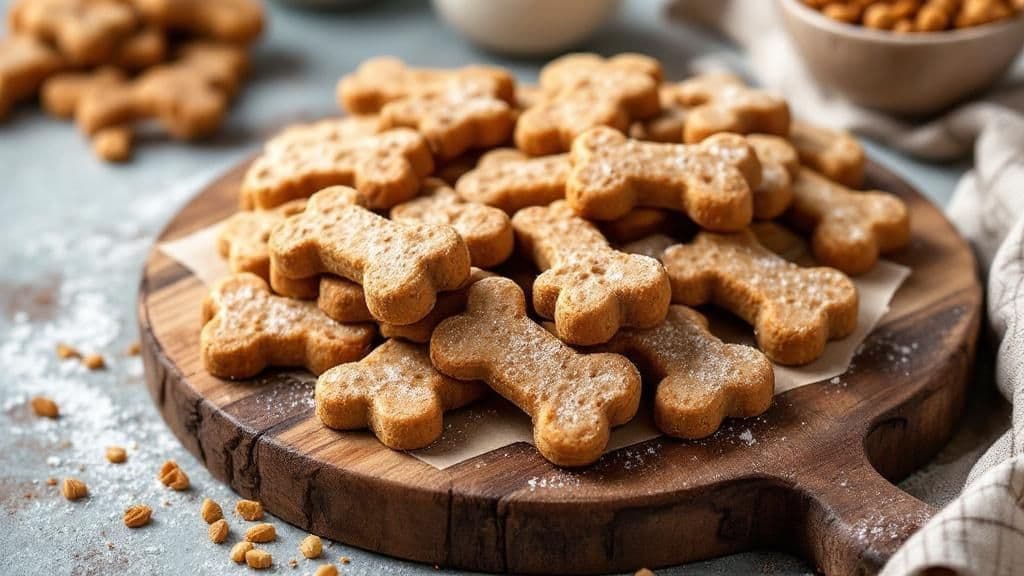
The Science of Baking Fresh and Healthy Homemade Dog Biscuits at Home
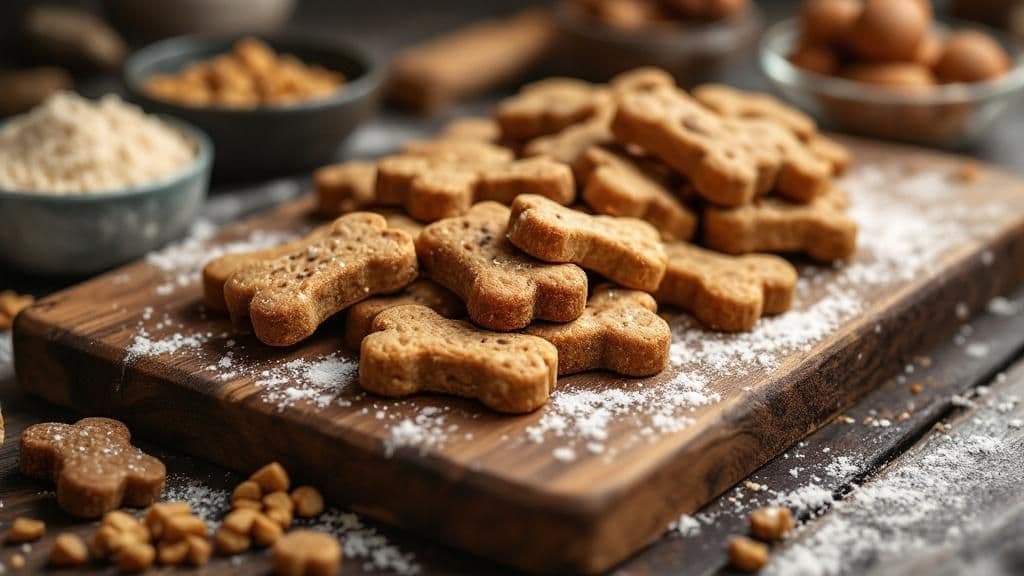
Controlling every ingredient in your dog's snack bin is the most effective way to manage sensitivities and track health.
Baking homemade dog biscuits is simple, healthy, and cost-effective — basic recipes use just pumpkin puree, oat flour, eggs, and peanut butter (xylitol-free). Homemade treats let you control ingredients for dogs with allergies, and properly dehydrated biscuits stored in airtight containers last 2-3 weeks at room temperature or 3 months frozen.
The Science Of Baking Fresh And Healthy Homemade Dog Biscuits At Home
Developing the perfect recipes for my Golden Retriever, Max, taught me that the kitchen is actually the best laboratory for canine wellness. When you decide to bake at home, the transparency of every ingredient puts you in complete and absolute control of your dog's nutrition. While some owners find it easier to grab a bag of mass produced treats, the science of homemade baking offers a level of customization and freshness that is simply impossible for a factory to match. This guide explores the systematic approach to creating nutritious, limited ingredient snacks that are free from hidden dyes, artificial preservatives, and common allergens, ensuring your best friend thrives on every delicious reward.
The Chemistry of Healthy Canine Ingredients
When you choose ingredients for your dog's biscuits, you are performing a delicate balancing act between palatability and nutritional density. Every component should serve a clear and beneficial purpose. We focus on single source proteins and complex carbohydrates that provide slow burning energy.
Oat flour is one of our favorite bases because it is generally easier for dogs to digest than wheat and is naturally rich in fiber and essential minerals like zinc and iron. When you mix oat flour with a pureed vegetable like pumpkin or butternut squash, you are creating a snack that is not only delicious but also supports a healthy gut microbiome. Pureed pumpkin is a digestive powerhouse, containing both soluble and insoluble fiber that helps regulate bowel movements and provides a steady source of energy.
Eliminating The Toxicity Of Commercial Additives
One of the primary scientific advantages of baking at home is the total elimination of synthetic additives. Many factory treats utilize artificial dyes like Red Forty or Yellow Five simply to make the product look more appealing to humans. These chemicals have no nutritional value and have been linked to behavioral issues and inflammatory responses in some sensitive dogs.
Furthermore, commercial treats often rely on shelf stabilizing preservatives like BHA and BHT, which are synthetic antioxidants. While they keep fats from going rancid over long periods, there are concerns about their long term impact on canine health. By baking small batches at home, you can utilize natural preservatives like mixed tocopherols, which are a form of Vitamin E, or simply rely on refrigeration to keep your dog's snacks fresh. This "small batch" science ensures that every biscuit your dog receives is at its peak nutritional value.
The Role Of Healthy Fats In Treat Design
Fats are a highly concentrated energy source and are essential for the absorption of fat soluble vitamins like A, D, E, and K. However, the source and type of fat you use in your dog's treats are critical. We prioritize fats that provide functional benefits beyond just calories.
Coconut oil is a staple in our canine kitchen because it contains medium chain triglycerides, which are easily digested and used as an immediate energy source. It also has natural antimicrobial properties and can help improve the condition of a dog's skin and coat. Another fantastic addition is wild caught salmon oil, which is rich in Omega three fatty acids. These powerful compounds reduce systemic inflammation and support brain health, making them especially beneficial for growing puppies and senior dogs alike.
A Systematic Guide To DIY Biscuit Preparation
Baking for your dog does not need to be a complicated or time consuming process. By following a consistent and organized system, you can produce large batches of healthy treats in just a few minutes.
Start by preheating your oven and gathering your dry and wet ingredients. For a basic recipe, combine two cups of your chosen flour—such as oat or chickpea—with one cup of a healthy puree and one large egg. The egg acts as a binder, providing a high quality source of whole protein. Mix until a firm dough forms. If the mixture is too dry, add a tablespoon of water; if it is too sticky, add a little more flour. Roll the dough out on a floured surface to about one fourth of an inch thick and use fun cookie cutters or a simple knife to create bite sized portions. Bake at three hundred fifty degrees Fahrenheit for twenty to thirty minutes, depending on the desired level of crunch.
Expert Tips For Successful Canine Baking
Expert tip number one: utilize a low and slow baking method for extra crunch. If your dog enjoys a very hard, crunchy biscuit, you can turn the oven down to two hundred degrees and let the treats dehydrate for an additional hour after the initial baking time is finished. This creates a leathery, long lasting chew that also helps clean teeth.
Expert tip number two: focus on ingredient quality and transparency. Always use pureed fruits and vegetables that have no added sugar, salt, or spices. For example, when buying canned pumpkin, ensure the label says "one hundred percent pure pumpkin" and not "pumpkin pie filling," which contains ingredients like nutmeg and cinnamon that can be harmful in large amounts.
Expert tip number three: pay careful attention to storage and shelf life. Because these treats do not contain synthetic preservatives, they will not last for months on your counter. Store baked biscuits in an airtight container for up to one week at room temperature, or up to two weeks in the refrigerator. For longer storage, you can freeze your homemade treats for up to three months and thaw them as needed.
Frequently Asked Questions About DIY Dog Baking
Can I use regular table flour in my recipes?
While all purpose flour is generally safe for most dogs, many benefit from the higher nutritional density and lower allergen potential of grain free or whole grain alternatives like oat flour or brown rice flour.
What if my dog has a sensitive stomach?
Start with very simple, limited ingredient recipes. Use a single protein source and a single carbohydrate source to see how your dog reacts before introducing more complex combinations.
Are there fruits I should never include in my treats?
Yes, absolutely avoid grapes, raisins, and any citrus seeds. These can be highly toxic. Stick to safe options like blueberries, bananas, and seedless watermelon flesh.
How many treats can I give my dog per day?
Treats should never exceed ten percent of your dog's total daily caloric intake. Use them as special rewards or for training sessions rather than as a meal replacement.
My dog is not interested in my homemade treats, what should I do?
Try adding a teaspoon of low sodium chicken broth or a tiny bit of unsweetened peanut butter to the recipe. These familiar and enticing aromas will usually pique their interest immediately.
Final Summary Of Homemade Canine Baking Success
Stepping into the kitchen to prepare your dog's snacks is a beautiful expression of care and commitment to their ultimate wellness. Your pantry holds the secrets to a healthier and much happier companion. By focusing on limited ingredient, whole food recipes, you are contributing significantly to your dog's overall longevity and quality of life. The science of baking fresh at home is truly rewarding, as you get to see your best friend thrive on the very treats you have personally prepared with care. Even for the busiest pet parents, these batches can be made quickly and stored for long term freshness. Start with basic whole ingredients and watch the incredible difference it makes in their daily enthusiasm and overall health. Your dog's well being is far too important to leave to chance or clever advertising.
Recommended Products


Find the Perfect Box for Your Dog
Compare top-rated dog subscription boxes and find the best fit for your pup.
Compare Boxes