10 Healthy Dog Treats You Can Make at Home
Simple, nutritious homemade treat recipes using ingredients you already have. Perfect for training or spoiling your pup.
You can make 10 healthy dog treats at home with simple ingredients: pumpkin-peanut butter biscuits, sweet potato chews, frozen banana-yogurt bites, apple-carrot pupcakes, and dehydrated chicken strips. These treats cost 50-70% less than store-bought options and let you control ingredients for dogs with allergies or sensitivities.
Ten Healthy Dog Treats You Can Make At Home
The culinary world of our canine companions is often limited to store bought kibble and prepackaged snacks that are frequently loaded with artificial preservatives and mysterious fillers. However, there is a growing movement among pet parents to take direct control of their dogs' nutrition by heading into the kitchen. Making your own dog treats is not just a way to ensure your pup gets high quality ingredients, it is a deeply rewarding experience that strengthens the bond between you and your furry best friend. This guide explores ten nutritious and delicious recipes that you can whip up with simple pantry staples, ensuring your dog stays healthy and happy.
The Benefits Of Homemade Dog Treats
When you purchase treats from a commercial pet store, you are often paying for marketing and shelf stability rather than pure nutrition. Many generic treats contain synthetic dyes like Red Forty or Yellow Five, which have no nutritional value and may even contribute to behavioral issues in some sensitive dogs. By opting for homemade alternatives, you gain total transparency. You know exactly what is going into every bite, which is especially crucial if your dog suffers from allergies or food sensitivities.
Furthermore, homemade treats are often far more cost effective in the long run. Buying specialized hypoallergenic or limited ingredient treats can be incredibly expensive. In contrast, many of the recipes in this guide utilize common household items like bananas, oats, and pumpkins, which are relatively inexpensive and easy to find. Perhaps most importantly, the love and care you put into preparing these snacks are something your dog will truly appreciate.
One: Frozen Peanut Butter Banana Bites
On hot summer days, there is nothing quite like a cooling treat to keep your pup comfortable. These frozen bites are incredibly simple to make and provide a healthy dose of potassium and protein. To start, take two ripe bananas and mash them thoroughly in a medium bowl until they reach a smooth consistency. Add two tablespoons of unsweetened, xylitol free peanut butter and mix well. Once the mixture is combined, pour it into silicone ice cube trays and place them in the freezer for at least four hours. These tiny popsicles are perfect for cooling down your dog after a long walk or a vigorous play session in the yard.
Two: Sweet Potato Chews
If your dog is a heavy chewer, these sweet potato rounds are a fantastic alternative to raw hide, which can be difficult to digest. Sweet potatoes are naturally high in dietary fiber, vitamins A, B6, and C, and essential minerals like potassium and manganese. To prepare these, slice a large sweet potato into rounds approximately one fourth of an inch thick. Lay them out on a parchment lined baking sheet and bake them at two hundred fifty degrees Fahrenheit for about two to three hours. The low and slow baking process dehydrates the potato, resulting in a chewy, leathery texture that satisfies your dog's instinctual urge to gnaw while providing a significant nutritional boost.
Three: Pumpkin Oat Cookies
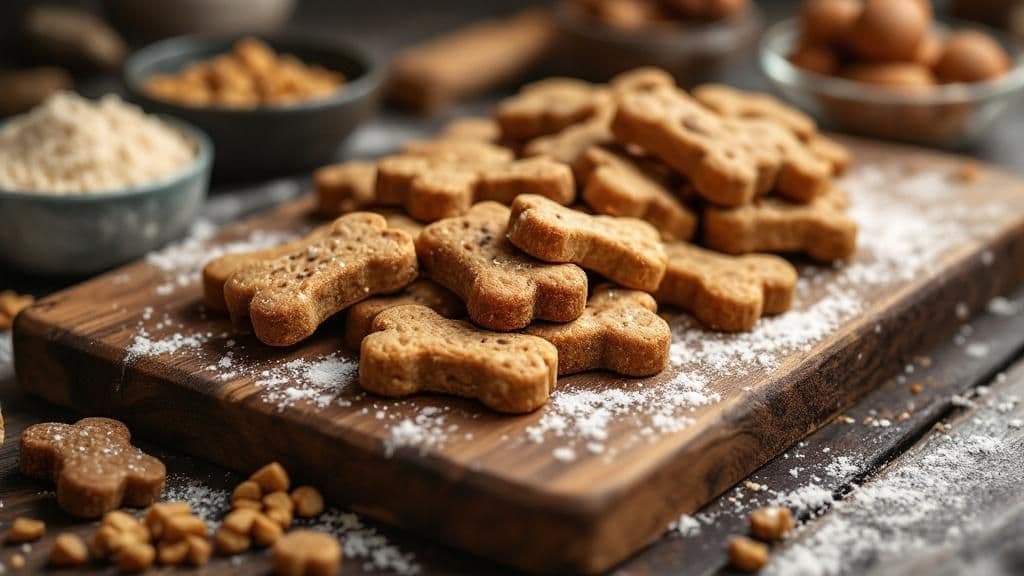
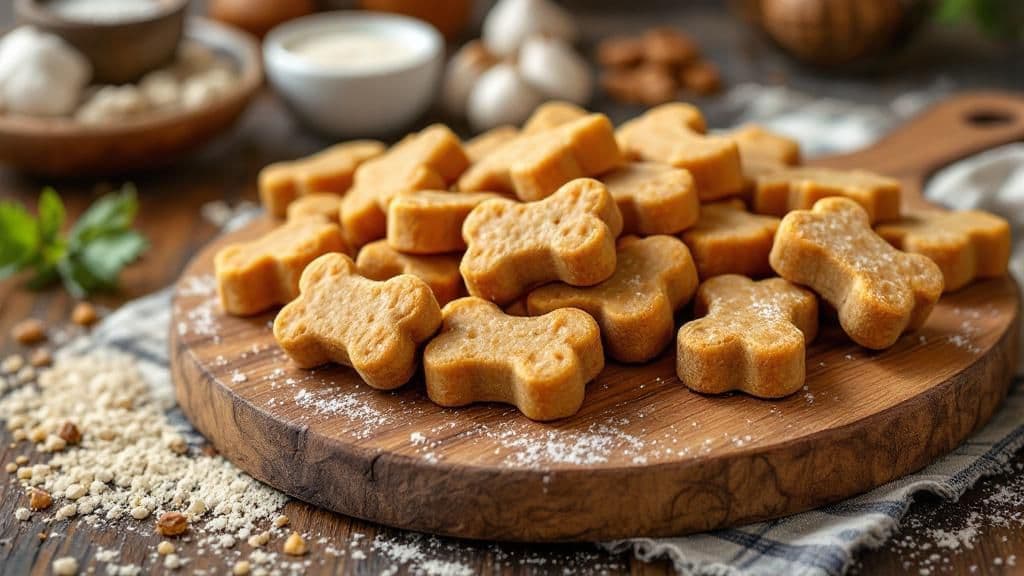
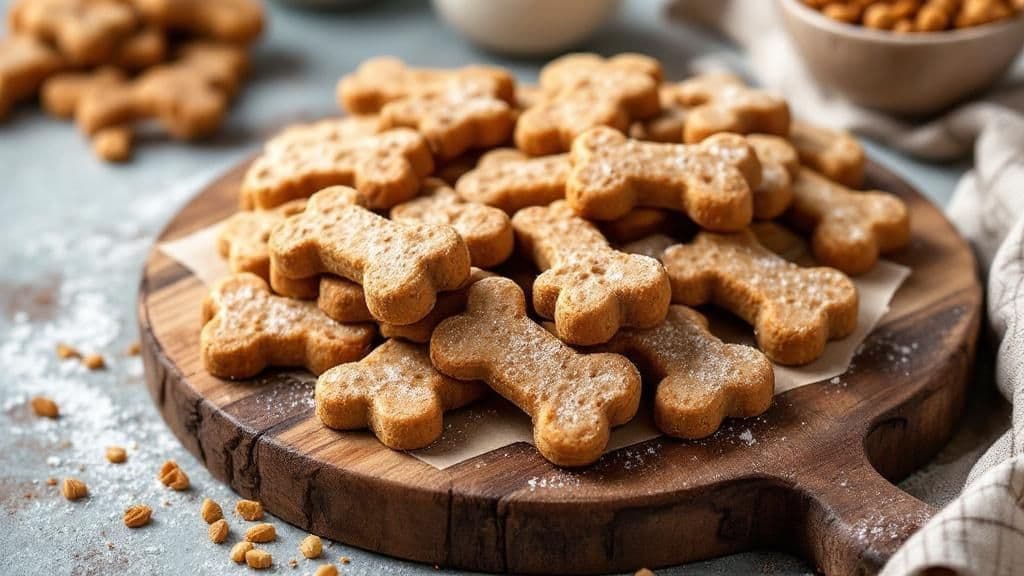
Pumpkin is a digestive powerhouse for dogs. It is rich in soluble fiber, which can help regulate both constipation and diarrhea, making it a staple in many pet homes. These cookies combine the benefits of pumpkin with the slow burning energy of oats. Mix one cup of pure pumpkin puree (ensure it is not pumpkin pie filling, which contains sugar and spices) with two cups of oat flour and one large egg. Roll the dough out on a floured surface and use cookie cutters to create fun shapes. Bake at three hundred fifty degrees Fahrenheit for twenty five minutes. These crunchy biscuits are great for keeping your dog's digestion on track.
Four: Apple Carrot Biscuits
Apples and carrots provide a satisfying crunch and are loaded with antioxidants and beta carotene. This recipe is a favorite for many owners because of its vibrant color and pleasant aroma. Combine one shredded apple, one shredded carrot, one cup of whole wheat flour, and one egg in a large mixing bowl. If the dough feels too dry, you can add a tablespoon of water or unsweetened applesauce. Form the dough into small balls or flatten them into discs and bake at three hundred fifty degrees Fahrenheit for twenty minutes. These are perfect as a mid day snack for dogs of all sizes.
Five: Blueberry Training Drops
Antioxidants are just as important for our dogs as they are for us. Blueberries are often cited as a superfood due to their high concentration of vitamins C and K. These training drops are ideal because they are tiny, meaning you can give multiple rewards during a session without worrying about overfeeding. Simply blend fresh blueberries into a smooth liquid and pour them into tiny silicone molds. Freeze them until solid. Because they melt quickly, they provide an instant burst of flavor that keeps your dog focused and motivated during new behavior training.
Six: Chicken Jerky
Commercial jerky treats have been at the center of several recalls, making the homemade version a much safer alternative. This recipe uses only one ingredient: lean chicken breast. Slice the chicken into very thin strips, making sure to remove any skin or excess fat. Lay the strips on a wire rack over a baking sheet to allow for air circulation. Bake at two hundred degrees Fahrenheit for two to three hours until the meat is completely dry and tough. This high protein snack should be stored in the refrigerator to ensure it stay fresh for up to two weeks.
Seven: Coconut Oil Frozen Treats
Coconut oil is widely praised for its ability to support a healthy skin and coat while also boosting the immune system. For this recipe, melt a cup of virgin coconut oil and mix it with either a mashed banana or a tablespoon of peanut butter. Pour the liquid into molds and freeze. As these treats melt in your dog's mouth, the healthy fats are absorbed, leading to a noticeable shine in their fur over time. These are particularly beneficial for dogs living in dry climates or those prone to itchy, flaky skin.
Eight: Watermelon Popsicles
Hydration is key, especially during the peak of summer. Watermelon is over ninety percent water and contains vitamins A, B6, and C. To make these popsicles, blend seedless watermelon flesh until smooth. It is critical to ensure every single seed is removed, as they can cause intestinal blockages. Additionally, never allow your dog to chew on the rind, which is tough and indigestible. Pour the juice into molds and freeze for a refreshing, hydrating treat that is low in calories but high in flavor.
Nine: Cheese And Bacon Bites
For the dog that needs a little extra incentive, these savory bites are practically irresistible. While bacon should be used sparingly due to its high fat content, it serves as an excellent flavor enhancer for special occasions. Mix one cup of shredded cheddar cheese, four strips of cooked and crumbled bacon, and one cup of all purpose flour. Add a small amount of water until a workable dough forms. Cut into small squares and bake at three hundred fifty degrees Fahrenheit for fifteen minutes. These are the ultimate high value reward for mastering difficult commands.
Ten: Green Bean Crunchies
If your dog is watching their weight, green beans are the perfect low dog calorie calculator substitute for traditional biscuits. They provide a satisfying "crunch" without the heavy carbohydrates found in flour based treats. Toss fresh green beans lightly in a tiny amount of olive oil and spread them on a baking sheet. Roast them at four hundred twenty five degrees Fahrenheit for fifteen to twenty minutes until they are crispy. Most dogs love the texture, and you can feel good knowing they are getting a healthy serving of vitamins without the extra calories.
Deep Dive Into Safe Ingredient Substitution
One of the best parts about making your own treats is the ability to adapt recipes based on what you have in your cupboards. If a recipe calls for whole wheat flour but your dog has a gluten sensitivity, you can easily swap it for oat flour, rice flour, or coconut flour. If your dog is not a fan of pumpkin, you can use mashed butternut squash or sweet potato instead. When substituting, always pay attention to the consistency of the dough. Some flours, like coconut flour, absorb much more moisture than others, so you may need to add an extra egg or a splash of water to keep the treats from becoming too crumbly.
Essential Tips For Storing Your Homemade Creations
Because these treats do not contain the artificial preservatives found in commercial products, they have a shorter shelf life. To keep your hard work from going to waste, follow these storage guidelines:
Baked biscuits and cookies should be kept in an airtight container at room temperature for up to one week.
Treats containing meat, like chicken jerky, must be refrigerated and should be consumed within two weeks.
Frozen treats, naturally, must stay in the freezer and will remain good for up to three months.
If you have made a particularly large batch, almost all baked dog treats can be frozen and thawed as needed.
Ingredients You Must Absolutely Avoid
While many human foods are perfectly safe for dogs, some are highly toxic and should never be included in your treat recipes. Under no circumstances should you use Xylitol, which is an artificial sweetener found in many peanut butters and can be fatal to dogs. Chocolate and cocoa contain theobromine, which the canine metabolic system cannot process. Grapes and raisins can cause sudden kidney failure. Onions and garlic, while flavorful for us, can damage a dog's red blood cells. Finally, macadamia nuts can lead to weakness, vomiting, and tremors. Always double check every ingredient before it goes into the mixing bowl.
Frequently Asked Questions About DIY Dog Treats
Can I use regular table salt in my dog treats?
No, it is best to avoid adding salt. Most ingredients naturally contain enough sodium for a dog's needs, and excessive salt can lead to dehydration or even sodium ion poisoning.
What if my dog is allergic to grains?
Simply substitute grain based flours for grain free options like chickpea flour or almond flour. Many dogs with skin issues thrive on grain free treats.
How many treats should my dog have per day?
Treats should never exceed ten percent of your dog's total daily caloric intake. Think of them as a supplement to their main meals, not a replacement.
Can puppies eat these treats?
Most of these recipes are perfectly safe for puppies, but you should introduce new ingredients slowly to ensure their developing digestive systems can handle the change.
My dog does not seem interested in fruits and vegetables, how can I help?
Try mixing the produce with a familiar flavor they love, such as a tiny bit of chicken broth or a smear of peanut butter. Sometimes it is just about making the new food smell familiar.
Final Summary Of Homemade Canine Wellness
Stepping into the kitchen to prepare food for your dog is a beautiful expression of care and commitment to their health. These ten recipes provide a solid foundation for a variety of nutritious snacks that cater to different needs, from cooling hydration to high protein rewards. By avoiding toxic ingredients and focusing on whole, fresh foods, you are contributing significantly to your dog's overall longevity and quality of life. The next time you reach for a bag of store bought treats, consider the simple, healthy alternatives you can create in your own home. Your dog will surely thank you with an extra wag of the tail and a lifetime of affection.
Recommended Products


Find the Perfect Box for Your Dog
Compare top-rated dog subscription boxes and find the best fit for your pup.
Compare Boxes