Your Dog's Protein Needs By Age And Size

Tailor your dog's protein needs by age and size: puppies need more for growth, while adults require balanced maintenance.
The amount of protein your dog needs is not a single number. Adult dogs require a minimum of 18% protein in their diet, while puppies need at least 22%. However, the exact grams of protein they need daily depends on their weight, age, size, activity level, and health, and should be determined with guidance from your veterinarian.
As a dog owner, you're bombarded with choices. Kibble, wet food, fresh dog food, and all of them boast different protein percentages. It's easy to get lost in the numbers and marketing claims. You want your dog to thrive, to have energy for play and a shiny coat, and you know protein is key. But how much is actually enough? Is more always better? The truth, backed by science and veterinary expertise, is that protein needs are a personal equation for your pup. I've seen too many owners stress over picking the "highest" protein food without considering their dog's individual life stage and lifestyle. Let's clear up the confusion and get practical.
What Are the Basic Protein Requirements for Dogs?
All commercial dog foods must meet minimum nutritional standards. The Association of American Feed Control Officials (AAFCO) sets these guidelines to ensure foods are complete and balanced. For protein, they establish a baseline.
According to research, the minimum crude protein requirement for adult dog maintenance is 18% on a dry matter basis. For puppies supporting rapid growth and development, that minimum jumps to 22%. These percentages are found on your dog food label. But a percentage on a bag doesn't tell you the whole story. It tells you how much protein is in the food itself, not how much your specific dog should eat in a day.
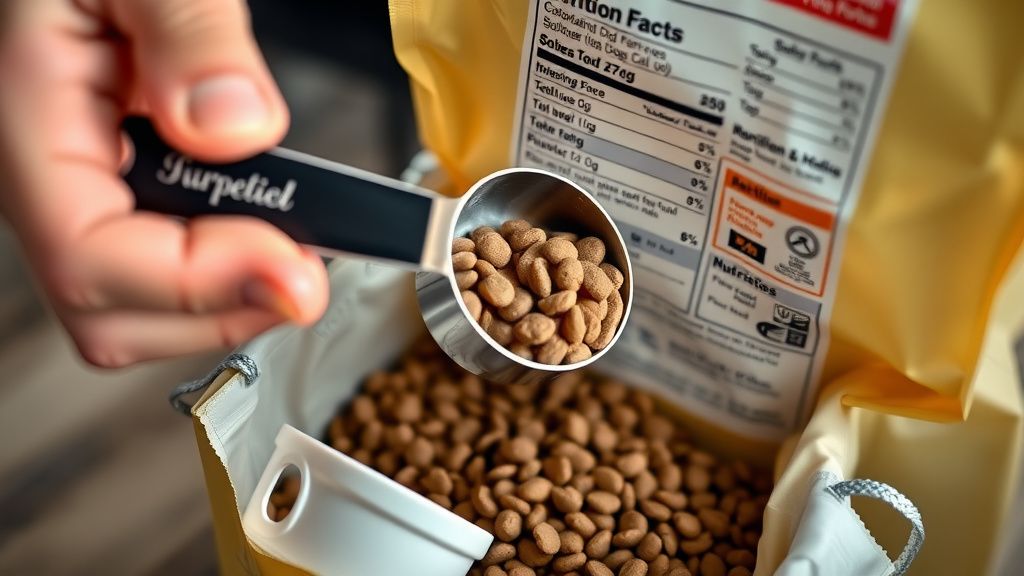
To understand your dog's actual intake, you need to convert that percentage into grams. The National Academies' guide provides a clear example. If you feed your dog a one pound (454 gram) can of food per day, and the food contains 8% crude protein, the grams of protein would be 0.08 multiplied by 454, equaling 36 grams of protein.
So, while the label guarantees the food meets a minimum standard, the total grams your dog consumes depends entirely on how much of that food you feed. This is where your dog's size and calorie needs come into play.
How Protein Needs Change With Your Dog's Life Stage
Age is one of the most significant factors in determining protein requirements. A puppy, an adult athlete, and a senior dog are not playing on the same field.
Puppies: The Growth Phase

Puppies are building their entire bodies. Their muscles, organs, skin, and coat are developing at a remarkable pace. This intense construction project demands more raw materials. Veterinary experts generally recommend that puppies get around 22 to 32% of their daily calories from protein. You'll often find puppy formulas boasting protein levels of 25% or higher to support this. It's not just about percentage, though. Because puppies often eat more calories per pound of body weight than adults, their total gram intake of protein is also higher relative to their size. Always choose a food formulated specifically for growth or "all life stages" that meets the higher puppy minimums.
Adult Dogs: Maintenance Mode
Once your dog reaches adulthood (typically around 1 to 2 years, depending on breed), their protein need shifts from growth to maintenance. The goal is to maintain healthy tissues, repair daily wear and tear, and support metabolic functions. The widely accepted range for healthy adult dogs is 18 to 25% of their daily calories from protein. A less active, smaller adult dog might thrive perfectly at the lower end of this range. A highly active, larger dog might benefit from the higher end. This is the stage where individual lifestyle really starts to differentiate needs.
Senior Dogs: A Nuanced Approach
Senior dogs are a special case. There's a common misconception that all older dogs need low protein diets. This is not universally true. Many healthy seniors continue to need solid protein levels to maintain muscle mass and combat age related sarcopenia (muscle loss). However, for seniors with specific diagnosed health conditions, like kidney disease, a veterinarian may indeed recommend a diet with reduced protein. The key here is never to assume. Your senior dog's protein needs should be a conversation with your vet, based on annual bloodwork and their overall vitality. Some senior formulas have slightly lower protein, but many maintain adult levels with adjusted calories and added joint support.
The Impact of Size, Breed, and Activity Level
Beyond age, your dog's physique and lifestyle paint a detailed picture of their needs.
Size and Breed: Larger breeds often have different metabolic rates and growth patterns than smaller breeds. While the protein *percentage* in their food might be similar, the total *grams* required will be vastly different due to their larger overall food intake. A Great Dane will consume far more grams of protein per day than a Chihuahua, even if both eat a 22% protein food. Activity Level: This is a major modifier. A working dog, a sporting dog, or an agility athlete experiences more physical stress and muscle use. Their bodies require more protein for repair and energy. Research confirms that a high protein intake is often ideal for working dogs or dogs involved in sports. Conversely, a sedentary, overweight dog may need a diet with controlled calories and a moderate protein level to help with weight loss, under veterinary supervision. Their diet might focus on lean protein sources to preserve muscle while losing fat. Special Conditions: Health always trumps general rules. Dogs with certain medical conditions require tailored diets. As noted, dogs with kidney disease may need a low protein diet prescribed by a vet. Other conditions might also influence protein needs. This is why the consistent advice from all sources is to consult your veterinarian for personalized guidance.How to Calculate and Adjust Your Dog's Protein Intake
You're not expected to be a mathematician. But having a basic understanding of how to check if your dog's current diet aligns with general needs can be empowering.
1. Find the Protein Percentage: Look at the guaranteed analysis on your dog's food bag or can. Find the "Crude Protein" value. This is a percentage.
2. Know How Much You Feed: Determine the exact weight or volume of food you feed per day. For example, 2 cups of kibble or one 454 gram can.
3. Do a Simple Conversion: If you know the weight of the food you feed, use the conversion method. Multiply the food's weight in grams by the protein percentage (as a decimal). For example, 454 grams of food with 10% protein (0.10) provides about 45 grams of protein.
4. Compare to General Needs: While there's no perfect gram-per-pound of body weight rule for all dogs, tools like the Dog Food Minimum Protein Calculator can offer a benchmark based on weight and life stage. If such a calculator suggests your dog needs 35 grams, and you're only providing 30 grams from their main food, you have a deficit.
5. Make Safe Adjustments: If you need to add protein, do so cautiously. One resource suggests adding roughly one heaping teaspoon of raw or cooked lean meat per gram of protein deficient. For a 5 gram deficit, you might add five teaspoons of cooked chicken breast to their regular meal. This should be done gradually and with your vet's approval, especially if using raw dog food additions.
For many owners, the simplest path to tailored nutrition is using a fresh dog food or freeze-dried dog food delivery service that allows you to select recipes based on your dog's age, size, and activity. These services do the formulation work for you, providing balanced meals with known protein levels per serving. Similarly, a curated best dog subscription boxes can deliver high protein, top quality treats and supplements that complement your dog's diet without you having to calculate every gram.
Signs Your Dog Might Need More or Less Protein
Your dog will give you clues about whether their diet is working. Watch for these signs.
Potential Signs of Protein Deficiency (or Poor Quality Protein):* Lack of energy or lethargy
* Poor, slow healing of minor wounds or skin issues
* Dull, brittle coat or excessive shedding
* Loss of muscle tone or weight loss despite eating
* Slow growth in puppies
Potential Signs That Protein Intake Needs Review (Often with a Vet):* Weight gain or obesity on a high calorie diet
* Signs of kidney stress in seniors (increased drinking/urination, lethargy) – this requires immediate veterinary diagnosis
* Digestive upset like diarrhea with certain high protein sources (could be an issue with the specific protein, not the amount)
Remember, these signs can also indicate other health problems. Always pair your observations with a professional veterinary opinion. A sudden change in diet, especially to a very high protein food, can sometimes cause temporary digestive issues or even exacerbate anxiety in sensitive dogs. If you notice behavioral changes alongside a diet shift, consider our dog anxiety guide for tips on managing stress.
Final Thoughts
Protein is a cornerstone of your dog's health, but it's not a solo act. It works within a complete diet that includes fats, carbohydrates, vitamins, minerals, and water. The goal is balance, not maximum. While the minimums of 18% for adults and 22% for puppies provide a safety net, your dog's ideal protein story is written by their age, their size, their daily adventures, and their individual health.
Don't get overwhelmed by the numbers on the bag. Use them as a starting point. Then, look at your dog. Are they vibrant and energetic? Do they maintain a healthy weight and muscle? Is their coat shiny? These are the ultimate metrics. Partner with your veterinarian to interpret these signs and choose a diet that supports a long, active life. Whether you select a commercial kibble, a fresh dog food service, or prepare homemade meals with expert guidance, the focus should always be on the unique dog in front of you. Their needs will evolve from puppyhood to their senior years, and staying attentive to those changes is one of the greatest gifts you can give them.
Recommended Products



Find the Perfect Box for Your Dog
Compare top-rated dog subscription boxes and find the best fit for your pup.
Compare Boxes