Top Running Companions Dog Breed Guide

Lace up with a loyal running partner, these energetic dog breeds thrive on miles of adventure.
The best dog breeds for runners and active lifestyles include high endurance partners like Labrador Retrievers, German Shorthaired Pointers, and Australian Cattle Dogs for long distances, and speedy sprinters like Greyhounds and Jack Russell Terriers for shorter, faster runs. The ideal breed matches your typical running distance, pace, and environment.
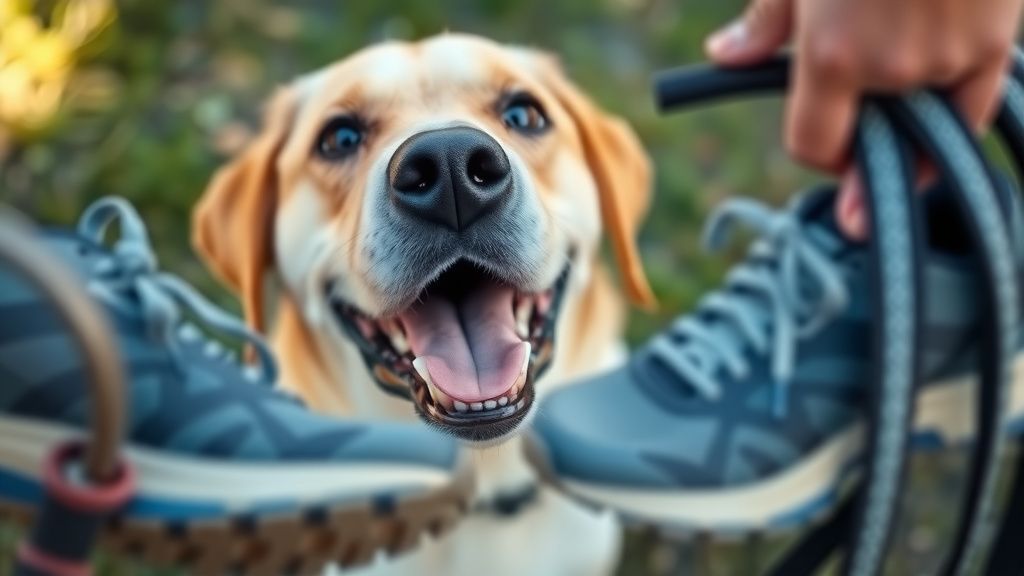 Labrador Retriever, looking eagerly a" class="w-full rounded-xl shadow-sm" loading="lazy" />
Finding a running partner who's always excited to go, never cancels, and thinks you're the absolute best is a special kind of magic. For active people, a dog can be that perfect companion, turning solitary miles into shared adventures. But not every pup is built for the long haul or the quick sprint. Choosing the right breed is about more than just energy levels, it's about aligning your canine partner's natural instincts, physical build, and temperament with your running routine. Let's explore the breeds that will not only keep up but will genuinely thrive by your side.
What Makes a Great Running Dog?
It's tempting to think any energetic dog will make a good runner, but several key factors determine a breed's suitability. Understanding these will help you match a dog's innate abilities to your specific goals.
Build and Stamina: A dog's physique dictates its running style. Deep chested breeds like the Greyhound are built for explosive speed over short distances. Sturdier, athletic breeds with good endurance, such as Labrador Retrievers or German Shorthaired Pointers, have the cardiovascular fitness and muscular structure for longer, steady runs. According to Runner's World, you should consider a breed's "mind for sprinting over slogging," as some dogs are naturally quick and active but may tire on long, slow jogs. Age and Health: No dog, regardless of breed, should start a serious running regimen until they are fully grown, usually around 12 to 18 months old. This allows their joints and growth plates to develop properly and prevents long term injury. Always consult your vet before beginning any new exercise program with your dog. Temperament and Trainability: A good running dog needs to focus. Breeds that are easily distracted by squirrels, scents, or other dogs can make a run frustrating and unsafe. Herding and sporting breeds often excel here because they are bred to work closely with humans. As noted by the American Kennel Club, dogs that love "stimulating mental challenges" alongside physical exercise often make the most disciplined and satisfying partners.Top Dog Breeds for Long Distance & Trail Running
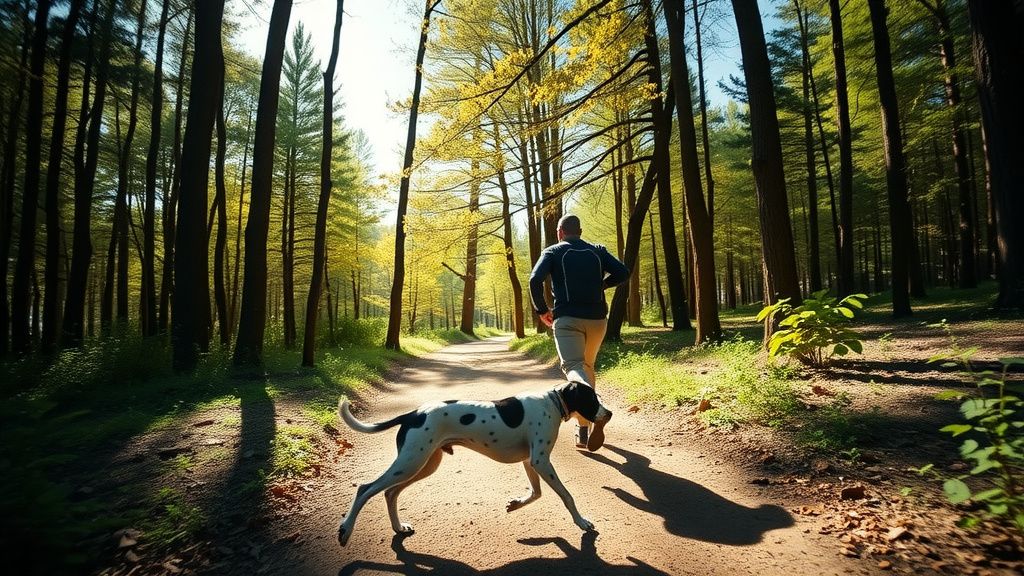
If your idea of a good time is logging double digit miles or exploring mountain trails, you need a partner with serious stamina and a tough build. These breeds are the marathoners and ultrarunners of the dog world.
Labrador Retriever: Often called the gold standard for active lifestyles, the Labrador Retriever is a versatile and eager companion. Diamond Pet Foods notes their "sturdy build and eager personality mean that there’s virtually no terrain or distance that they can’t cover." Their friendly disposition and trainability make them reliable off leash on trails and steady on long, slow runs. Just be mindful of their love for food, and ensure their nutrition supports their energy output, perhaps with a fresh dog food option. German Shorthaired Pointer (GSP): This breed is a powerhouse of endurance. Bred to hunt all day, GSPs have boundless energy and require vigorous, daily exercise. They are athletic, muscular, and thrive on having a job to do. Making them your running partner gives them the physical and mental outlet they crave. As one source puts it, if you're "going for double digit distances in the mountains," a GSP is a top choice. Australian Cattle Dog (ACD): Renowned for their intelligence and hardworking nature, the Australian Cattle Dog is built for endurance. They are fiercely loyal and will stick with you for as many miles as you can muster. A veterinary blog highlights that this breed is "perfect for a runner who loves an active lifestyle" and will stay by your side on those early morning jogs. Their dense coat and resilience make them excellent for various weather conditions. Vizsla: Known as "velcro dogs" for their desire to be close to their owners, Vizslas are sleek, muscular, and possess incredible stamina. They are true athletes that form deep bonds with their running partners. A dog trainer quoted by Runner's World states they "need an extraordinary amount of exercise and mental stimulation," making them ideal for serious runners who can provide that outlet. Siberian Husky: Bred to pull sleds over vast frozen landscapes, the Husky is the definition of an endurance athlete. They are built for distance and perform best in cooler climates. It's crucial to remember that their high prey drive and independent streak require strong training and secure leashing or a completely enclosed running space.Best Breeds for Shorter, Faster Runs & Sprinting
Not every run is a long, slow distance day. If your routine revolves around shorter routes, interval training, or faster paces, these breeds are your natural sprinting partners.
Greyhound: Don't let the couch potato reputation fool you. Greyhounds are the ultimate sprinters. The Pioneer Woman explains they are "great because they’re sprinters by nature but can also tire quickly." They are perfect for someone who wants a burst of speed over a mile or two, followed by a cozy recovery nap at home. They are generally calm indoors and low maintenance, aside from their need for a periodic sprint. Whippet: Think of a Whippet as a Greyhound in a more compact package. They share the same love for a fast, explosive run but in a medium sized dog. They are agile, sweet natured, and after a good sprint, they are content to relax. They are another excellent example of a breed that is intense in short bursts but not built for endurance. Jack Russell Terrier: What this breed lacks in size, it more than makes up for in energy and athleticism. Jack Russells are "able to maintain focus," which means they can hone in on the activity at hand, including keeping pace with you on a run. They are suited for shorter, more frequent runs and bring a feisty, fun loving spirit to every outing. Doberman Pinscher: Muscular, fast, and powerful, the Doberman is a superb choice for a disciplined running partner. The AKC states they "love vigorous, daily exercise along with stimulating mental challenges." They are protective and form strong bonds, making them a dedicated companion on your runs. Their intelligence means they respond well to training, which is essential for maintaining control at faster speeds. Beagle: Forget Snoopy lounging on his doghouse. Beagles are active, quick, and require plenty of exercise. As Runner's World UK points out, they have a "mind for sprinting over slogging." Their sturdy build and merry personality make them fun partners for shorter, engaging runs, though their strong nose can sometimes lead to distractions if not properly trained.Important Considerations Before You Hit the Pavement
Bringing your dog into your running life is a commitment that goes beyond leashing up. Their well being depends on your preparation and attentiveness.
Training and Safety Basics: Before you run, master the walk. Your dog must be proficient in loose leash walking, basic obedience commands like "leave it" and a reliable recall. Use a proper running harness designed for comfort and control, not a collar that can strain their neck. Always carry water for both of you, and be vigilant for signs of overheating, like excessive panting, drooling, or slowing down. Paw Care and Seasonality: Pavement, sand, and rocky trails can be tough on paws. Check your dog's pads regularly for cuts or wear. In summer, asphalt can burn pads within minutes, so test it with your own hand and opt for early morning or evening runs on cooler surfaces. In winter, be aware of ice melt chemicals, which can be toxic. Wiping paws after a run is a good habit, and you might find products for this in a curated best dog subscription boxes service. Nutrition and Recovery: An active dog has different nutritional needs. They require more calories, and the right balance of protein and fats to fuel muscles and aid recovery. Look for performance or active lifestyle formulas. After a long run, a high value treat like a freeze-dried dog food topper or a single ingredient meat treat can be a great reward and protein boost. Never run a dog immediately before or after a large meal to avoid bloat, a dangerous condition. Recognizing Your Dog's Limits: It is your responsibility to read your dog's signals. They will run to please you, even past their own limits. Watch for lagging, excessive panting, or seeking shade. Start with a "couch to 5k" style plan, gradually increasing distance. Certain breeds, like brachycephalic (short nosed) dogs such as Bulldogs or Pugs, should never be running partners due to their severe breathing difficulties.What About Mixed Breeds and Adopted Dogs?
Absolutely! The perfect running mate might be waiting at your local shelter. Many mixed breed dogs inherit the athletic traits of their lineage. Look for dogs with a visible build similar to the breeds listed, like a deep chest, athletic legs, and a lean frame. Spend time with the dog to assess energy levels and temperament. A "terrier mix" or "shepherd mix" often signals high energy and intelligence. An adopted dog with an unknown past may need extra patience and training to become a confident running partner, especially if they have any dog anxiety to overcome. The bond you build through training and running can be incredibly rewarding.
Final Thoughts
Choosing a dog as a running companion is about creating a partnership that enriches both of your lives. The breeds we've discussed, from the enduring Labrador to the speedy Jack Russell, all share a common thread, they are happiest when they have a purposeful physical outlet with their favorite person. Your runs provide more than exercise, they provide mental stimulation, strengthen your bond, and fulfill your dog's fundamental needs.
Remember, the "best" breed is the one that fits seamlessly into your specific active lifestyle. Do your research, be honest about your routine, and prepare to commit to the training and care a canine athlete deserves. When you find that match, you'll gain more than a pet, you'll gain a loyal friend who's always ready for the next adventure, tail wagging all the way.
Recommended Products



Find the Perfect Box for Your Dog
Compare top-rated dog subscription boxes and find the best fit for your pup.
Compare Boxes