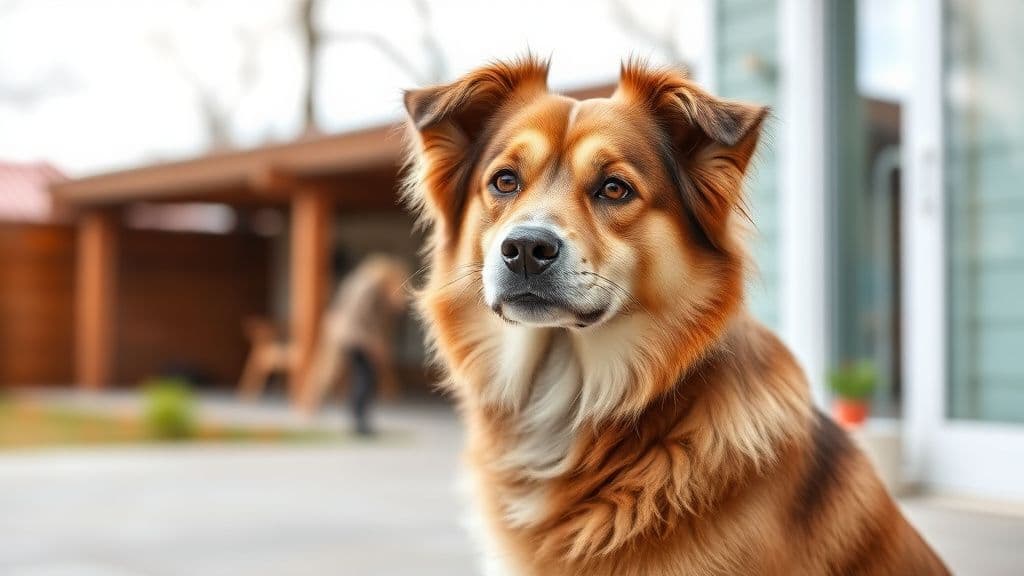
Best Family Dogs Safety Guide

Discover the top family friendly dog breeds that ensure safety and joy for your kids.
The Labrador Retriever is widely considered the safest and best dog breed for families with kids, holding the AKC's top popularity spot since 1991 and boasting a 94/100 child tolerance score with the lowest bite risk of any breed over 50 pounds. Other top choices include the gentle Golden Retriever, the patient Bulldog, the playful Beagle, and the protective Newfoundland, often called a "nanny dog" for its sweet nature with children. The key to safety is matching the breed's energy, size, and temperament to your family's lifestyle and committing to proper socialization and training from the start.
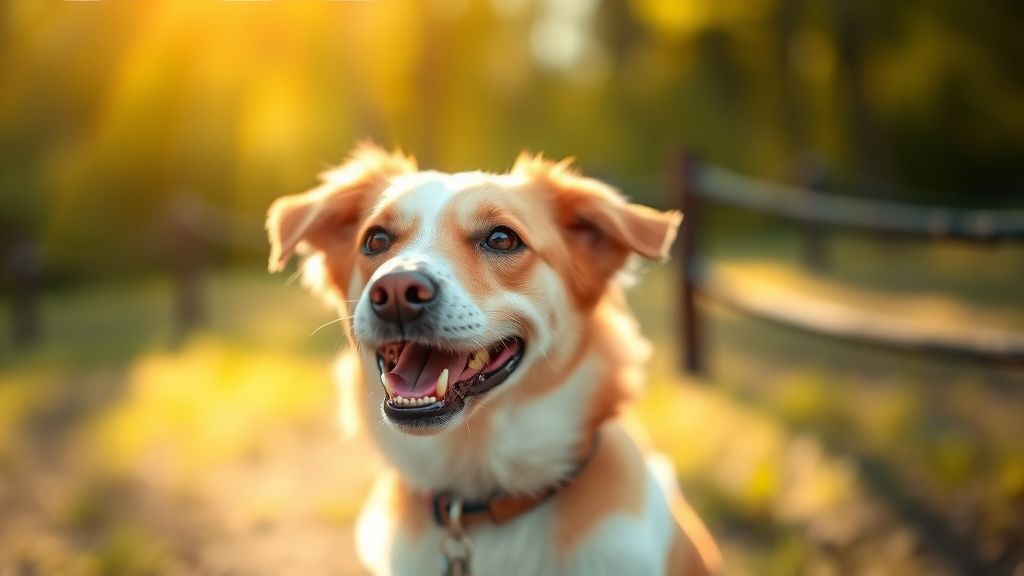
Bringing a dog into your family is one of the most joyful decisions you can make. It is a promise of muddy paw prints, endless games of fetch, and a loyal friend who will grow up alongside your children. The right dog becomes a furry confidant, a patient listener to a first grader's stories, and a gentle giant who lets toddlers use them as a pillow. But with so many breeds, each with unique traits, how do you choose the one that will be both a loving companion and a safe addition to your home? The goal is not just a pet, but a new family member who will share in your laughter, comfort your tears, and watch over your little ones with a devoted heart. This guide is built on expert recommendations and real data to help you find the perfect, safe match for your family's next chapter.
What Makes a Dog Breed Truly "Safe" for Kids?
Safety is the top priority for any parent. A safe family dog is more than just a breed with a low bite statistic. It is a combination of temperament, trainability, and physical traits that create a harmonious environment. A truly child friendly dog possesses a specific set of qualities that allow it to thrive in the sometimes chaotic world of a family home.
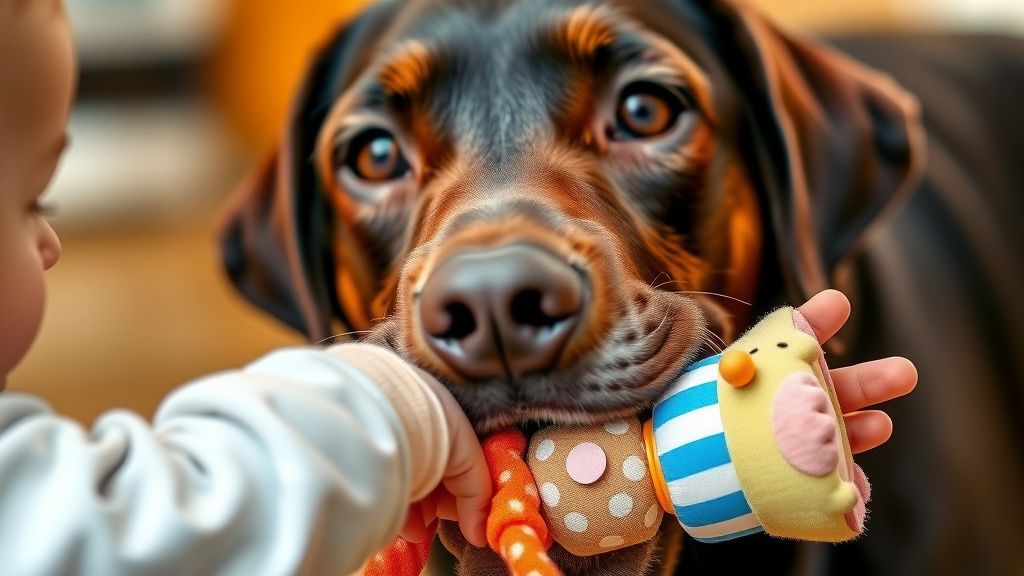 Labrador Retriever gently holding a child'" class="w-full rounded-xl shadow-sm" loading="lazy" />
First, consider temperament. This is the dog's natural disposition. The ideal family dog has a stable, patient, and tolerant nature. This means they can handle a child's sudden movements, loud noises, and enthusiastic hugs without becoming anxious or reactive. According to the research, breeds like the Labrador Retriever and Golden Retriever consistently rank high due to their gentle mouths and patient temperaments. The Bulldog is noted for its calm and relaxed nature, perfect for young children. These dogs are not easily startled and have a high threshold for the kind of unpredictable behavior kids exhibit.
Second, look at trainability and intelligence. A dog that is eager to please and quick to learn is easier to integrate into family rules. This makes them safer because they can understand boundaries, like not jumping on small children or taking treats gently. The Giant Schnauzer, for example, is highlighted as a trainable and highly intelligent guardian dog for families. A dog that can follow commands reliably is a more predictable and therefore safer companion.
Third, think about size and energy level. This is a practical safety consideration. A very large but gentle dog like a Newfoundland can be wonderful, but may accidentally knock over a toddler with a wagging tail. A very small dog can be more fragile around young children. A medium to large dog with a sturdy build, like a Boxer, is often a good fit. They are large enough to handle enthusiastic play but known to be patient and tolerant with active kids.
A safe dog is not born, it is made through responsible ownership. This includes early and consistent socialization, positive reinforcement training, and meeting the dog's physical and mental needs. A bored or under exercised dog, regardless of breed, can develop unsafe behaviors. This is where services like a dog subscription box can be a lifesaver. A monthly delivery of new toys and chews from a dog subscription box can provide mental stimulation and prevent boredom, which is a cornerstone of a safe and happy home.
Top Recommended Breeds for Families with Children
Based on expert opinions from veterinarians, trainers, and family focused organizations, certain breeds appear again and again for their proven compatibility with children. Here are the standout family dogs, backed by the research.
Labrador Retriever
The Labrador Retriever is not just popular. It has earned its place. This breed has held the American Kennel Club's number one spot for most popular dog in the United States since 1991. Recent data from Banfield in 2026 gives a clear reason why. Labs scored a 94 out of 100 on a child tolerance scale. They also have the lowest bite risk of any breed weighing over 50 pounds. This combination of high tolerance and low risk makes them a top choice for safety. They are energetic, friendly, and adaptable. A Lab fits into both an active outdoor family and a cozy indoor one. They are also known for their love of food, which makes training with treats from a dog food delivery service highly effective. Just remember, as one expert from Country Living points out, they can be prone to certain health issues like hip dysplasia. Regular vet check ups are essential.
Golden Retriever
Golden Retrievers are the quintessential family companion. They are often mentioned alongside Labs as the perfect match for kids. The research emphasizes their gentle mouths, patient temperaments, and natural love of children. They are large enough to handle enthusiastic kids but gentle enough for toddlers. Their intelligence and eagerness to please make them relatively easy to train. This breed embodies the idea of a gentle giant who wants to be part of every family activity. Their beautiful coat does require regular grooming, which is a commitment families should be ready for.
Newfoundland
If you are looking for a living, breathing teddy bear with a heart of gold, the Newfoundland is your breed. These dogs are huge, but they are also gentle and protective of children. No wonder they are also known as a "nanny dog". One Reddit user shared, "We also have a Newfoundland and he’s the best! They are actually a top recommended breed for families because of how good they are with kids." They are described as patient, calm, and sweet natured, making them a great option for families with children. Their size means they need space and a family prepared for a large dog's care, but their temperament is legendary.
Bulldog
Do not let the wrinkles and serious expression fool you. The adaptable Bulldog is a perfect choice for families with young children. They may sometimes look a little grumpy, but they are known for their calm and relaxed nature. They are not a high energy breed, which can be a blessing for busy parents. Their sturdy, low to the ground build makes them less likely to knock over a small child during play. Their distinctive appearance and easygoing personality make them a beloved family fixture.
Beagle
For a more compact family hound, Beagles tend to get on very well with children and love to play. Their merry and curious nature is infectious. They are a smaller, sturdy breed that can keep up with an active household. Their size makes them manageable for older children to help with walks. Their love of sniffing and exploring provides endless opportunities for outdoor adventures together. Keep in mind their strong nose can lead them astray, so a secure yard is a must.
Boxer
Boxers are loyal and protective, eager to form strong relationships with their humans and keep them safe at all costs. This breed tends to be patient and tolerant, a major plus for families with active children. They are typically healthy and not prone to frequent vet visits, which is reassuring for family budgets. Their playful and energetic spirit matches the enthusiasm of kids, making them a fun and devoted addition.
Giant Schnauzer
This breed is a standout for families seeking a protective companion. The Giant Schnauzer is a trainable and highly intelligent guardian dog. They have an incredible physique, standing around 27 to 28 inches tall and weighing 85 to 100 pounds. They have a smooth coat, usually in black or blue. When socialized early, they are incredibly gentle with kids and make steadfast companions who take their job of guarding the family very seriously. They are also one of the breeds consistently chosen for personal protection work because of their steadiness under pressure. This breed requires a family committed to consistent training and leadership.
Beyond Breed: The Critical Role of Socialization and Training
Choosing a breed known for its gentle nature is only the first step. The real work of creating a safe and loving bond between your dog and your children begins with socialization and training. This is not optional. It is the foundation of a lifelong, positive relationship.
Socialization means exposing your puppy to a wide variety of people, places, sounds, and experiences in a positive way. This should start as early as possible, ideally between 3 and 14 weeks of age. The goal is to teach your dog that the world is not scary. A well socialized dog is less likely to react with fear or aggression to new situations, like a child's birthday party or a visit from a noisy toddler. The Los Angeles Times article specifically notes that Giant Schnauzers, when socialized early, become incredibly gentle with kids. This principle applies to every single breed. A Labrador that never meets children until it is two years old may not be the tolerant friend you expect.
Training is about communication. It teaches your dog what you want them to do. Positive reinforcement training, using treats and praise, is the most effective and humane method. This is where a reliable dog food delivery service can be a game saver. Having a steady supply of small, high value training treats delivered right to your door makes it easy to practice commands daily. Focus on these essential commands for family safety.
* Sit and Stay: The building blocks of impulse control. This can prevent jumping on children.
* Leave It: Crucial for teaching your dog to ignore dropped food, toys, or even a child's sticky fingers.
* Drop It: For safe retrieval of toys or objects.
* Gentle: Teaching your dog to take treats or toys from a child's hand with a soft mouth.
Involve your children in the training process, under close supervision. This helps the dog see them as part of the family "pack" and teaches kids how to interact with animals respectfully. A dog that understands its place in the family and knows what is expected is a safe and confident dog.
Matching a Dog's Energy to Your Family's Lifestyle
A mismatch in energy is one of the most common reasons a dog does not work out in a family. A high energy dog in a low activity home can become destructive and anxious. A calm dog in a hyper active family may feel overwhelmed. The research from Parents.com emphasizes that picking a puppy involves considering your home size, how active you want the dog to be, and grooming needs.
Consider these scenarios.
* The Active Outdoors Family: If your weekends are filled with hiking, camping, and trips to the lake, a breed with stamina and a love for water is ideal. The Labrador Retriever is a classic choice here. Their history as retrieving dogs and their affinity for swimming make them perfect adventure buddies. A Newfoundland also thrives with active families who have space for their size and enjoy outdoor activities, though they may be less inclined to run long distances.
* The Suburban Homebody Family: You enjoy walks around the neighborhood and backyard play, but high intensity activities are not your daily routine. A Bulldog, with its relaxed nature, or a Beagle, with its manageable size and playful but not overwhelming energy, could be a wonderful fit. They are happy with moderate exercise and lots of couch time.
* The Family Seeking a Protector: If you want a dog that is both a family pet and a vigilant guardian, look to breeds with a natural protective instinct and steady temperament. The Giant Schnauzer is specifically mentioned for this role, being both gentle with family and serious about protection. Boxers are also noted for their loyal and protective nature.
Dr. Lindsey Wendt, a chief veterinary officer, suggests digging even deeper. Think about your daily schedule. Who will be responsible for walks? Who will handle feeding? How will you manage the dog's mental stimulation? A bored dog is not a safe dog. This is where a thoughtfully curated dog subscription box can be a huge help. These boxes deliver new puzzles, treat dispensing toys, and safe chews that keep a dog's mind engaged and prevent boredom related behaviors. This is especially important for intelligent breeds like the Golden Retriever or Giant Schnauzer who need more than just physical exercise.
Health and Care Considerations for Your Family Dog
A healthy dog is a happy, safe dog. Every breed has its own set of potential health considerations. Being aware of these helps you provide the best care and ensures your dog remains a stable and gentle presence for your children.
For the ever popular Labrador and Golden Retriever, experts note they may be prone to certain health issues such as hip dysplasia and certain types of cancers. This makes regular veterinary check ups important. These breeds also have hearty appetites, so managing their diet with a measured dog food delivery plan is key to preventing obesity, which can worsen joint problems.
Newfoundlands are gentle giants, but their large size comes with specific needs. They are prone to bloat, a life threatening condition, and hip dysplasia. Their thick, double coat requires consistent grooming to prevent mats and keep them comfortable. A monthly dog subscription box that includes grooming tools or deshedding aids can make this routine easier.
Bulldogs have a distinctive appearance that requires special attention. Their facial wrinkles need regular cleaning to prevent infection. Their short snouts make them brachycephalic, meaning they can overheat easily and may have breathing difficulties. They are not suited for long runs in hot weather.
Beagles are generally strong, but their floppy ears can be prone to infections. Regular ear checks are part of responsible ownership. Their strong sense of smell can lead them to scavenge, so keeping a close eye on them during walks is wise.
Boxers are typically healthy, but they can be prone to certain heart conditions and cancers. Regular vet visits help catch any issues early.
Giant Schnauzers are a sturdy breed, but like many large dogs, they can be susceptible to hip dysplasia. Their intelligence means they need both physical and mental exercise to stay healthy and well behaved.
Regardless of breed, a consistent routine of proper nutrition, exercise, and veterinary care is the bedrock of a safe family dog. A dog that feels well is more likely to be patient and tolerant. Services like a dog subscription box can support this by delivering health focused treats and care items right to your door, helping you stay on top of your pet's wellness needs.
Final Thoughts
Selecting a dog for your family is a decision filled with hope and excitement. The breeds highlighted here, from the ever reliable Labrador to the protective Giant Schnauzer, have proven track records of patience, gentleness, and loyalty. They are backed by data on tolerance and bite risk, and by countless stories from families who have found their perfect furry companion. Remember, the safest dog is the one that fits your home's rhythm, receives proper training, and is cared for with love and attention. The bond between a child and a well matched family dog is one of life's purest gifts, built on mutual respect and endless games of fetch. With the right preparation, including a steady supply of engaging toys from a dog subscription box and a balanced diet from a reliable dog food delivery service, you are setting the stage for a friendship that will enrich your family's life for years to come.
Recommended Products


Find the Perfect Box for Your Dog
Compare top-rated dog subscription boxes and find the best fit for your pup.
Compare Boxes