Unmasking Dog Food Byproducts Truth
Uncover the truth about byproducts in dog food and learn when they're nutritious or best avoided.
Byproducts in dog food are not inherently bad and can be a natural, highly digestible source of essential nutrients like vitamins and minerals. The quality is what matters. High quality byproducts, such as organ meats, are nutritious, while low quality ones and artificial additives are what pet owners should be cautious of.
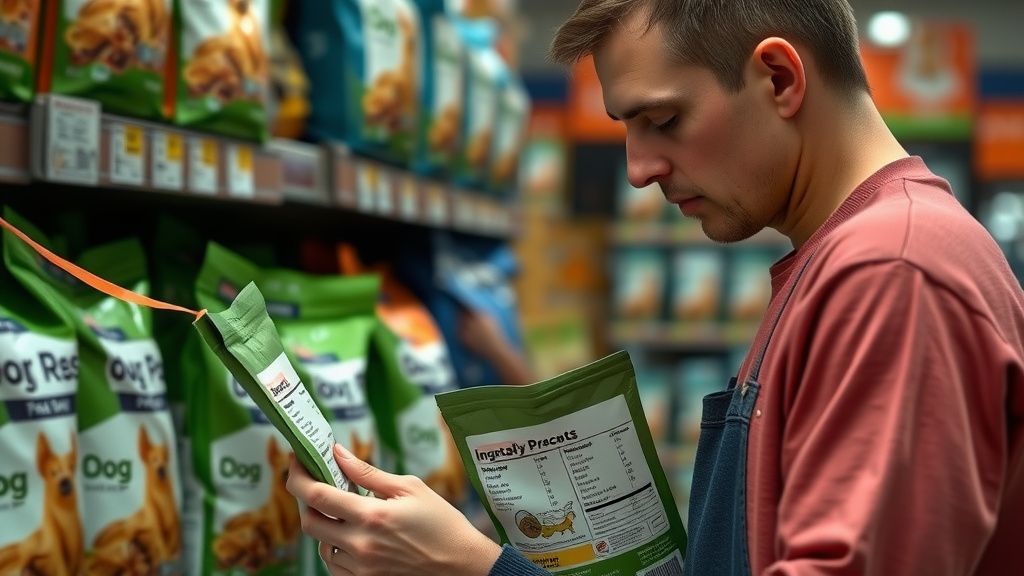
You’re standing in the pet food aisle, turning bag after bag to scrutinize the ingredient list. Your eyes scan past the guaranteed analysis and land on a term that makes you pause: “meat byproducts.” Instantly, a wave of uncertainty hits. You’ve heard this is a red flag, a cheap filler made from unsavory parts. But what if everything you’ve been told about byproducts is oversimplified, or even wrong? The truth is, the world of pet food ingredients is filled with marketing hype and genuine confusion. I’ve seen countless dog owners stress over this single term, convinced they’re failing their pet if they see it on a label. Let’s clear the air. The conversation around byproducts isn’t about good versus evil; it’s about understanding quality, sourcing, and what these ingredients actually provide for your dog’s health.
What Are Byproducts, Really?
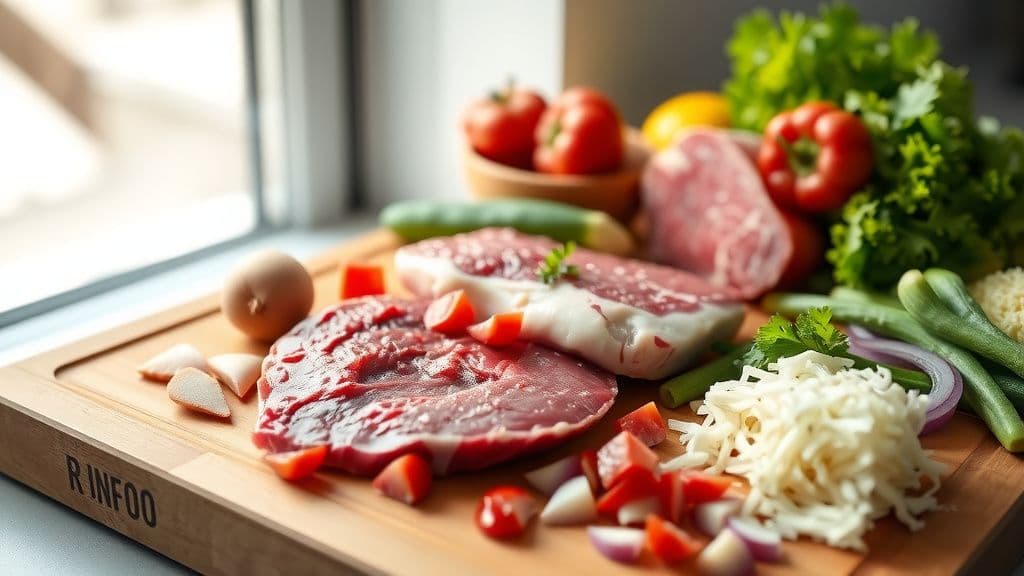
Let’s start by defining our terms, because the word “byproduct” itself is a major source of the “yuck” factor. In the context of dog food, animal byproducts are the parts of the animal left over after the parts intended for human consumption are removed. This doesn’t mean they are garbage. In fact, according to experts, these are often the very parts wild canines would seek out first.
The official definition from the Association of American Feed Control Officials (AAFCO) includes clean parts like organs and entrails. Think liver, heart, lungs, spleen, kidneys, and cleaned intestines. It also includes bone and blood. What it explicitly excludes are hair, horns, teeth, and hooves. So, the frightening image of ground-up beaks and feathers is more of a marketing myth than a common reality in regulated commercial foods.
The key takeaway is this: that “yuck” factor is largely an American, and distinctly human, convention. We might turn our noses up at liver or tripe, but for our dogs, these are tasty, nutrient-dense morsels. As one veterinary resource points out, these byproducts often provide more concentrated nutrients than the muscle meat we prize.
The Nutritional Power of Quality Byproducts
Now that we know what they are, let’s talk about why they can be beneficial. High quality byproducts are not just filler; they are functional nutrition.
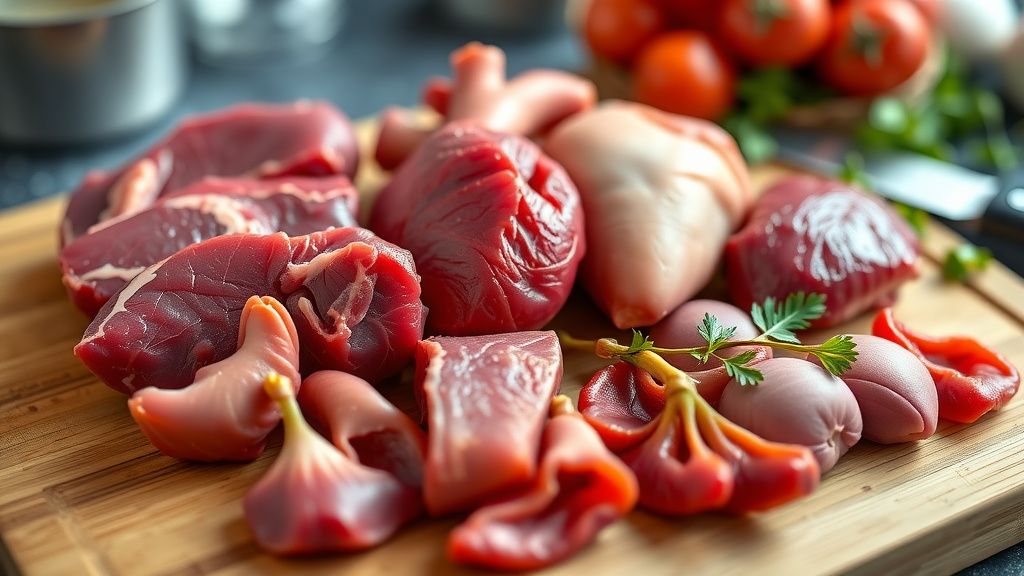
Organ meats, in particular, are nutritional powerhouses. Liver is famously rich in vitamin A, iron, and copper. Heart is an excellent source of taurine, an amino acid critical for heart health. Kidneys provide a range of B vitamins. When these ingredients are included in your dog’s food, they contribute to a balanced and complete diet that mirrors what a dog might consume in a natural setting.
Here’s a practical way to think about it: if a wolf takes down a deer, it doesn’t just eat the lean muscle. It goes for the organs first because they are the most nutrient-dense parts of the animal. By including these ingredients, some dog food formulations are attempting to capture that biological appropriateness. They provide a natural and highly digestible source of nutrients that can support your pet’s overall health, from a shiny coat to a strong immune system.
The Dark Side: When Byproducts Are a Problem
This isn’t a blanket endorsement. The critical phrase from our research is learning to differentiate between high quality and low quality byproducts. The term itself is very broad, and its quality is entirely dependent on the manufacturer’s standards.
The main concerns with low quality byproducts are:
* Unspecified Sources: An ingredient listed simply as “meat byproducts” or “animal byproducts” is a red flag. You have no idea which animal it came from (beef, chicken, pork?) or what specific parts are included. This lack of transparency makes it impossible to assess quality or identify potential allergens.
* Poor Sourcing and Processing: Low quality byproducts may come from 4-D animals (dead, dying, diseased, or disabled) or be rendered at high temperatures that destroy nutrients. They might include a higher proportion of less digestible parts.
* The Additive Trap: Sometimes, the problem isn’t the byproduct itself, but what comes with it. Low quality foods often pair vague byproducts with artificial additives to make them palatable and shelf-stable. Research indicates some of these additives have no nutritional value and could be harmful. Ingredients like propylene glycol (used in some semi-moist foods and, notably, in antifreeze), BHA, BHT, and ethoxyquin are chemicals you should watch for. While the FDA may classify some as safe, many experts recommend avoiding them.
So, the issue is rarely a named, specific byproduct like “chicken liver.” It’s the vague, unidentifiable “byproduct meal” coupled with a long list of chemical preservatives and dyes that should give you pause.
How to Be a Savvy Ingredient Detective
You don’t need a degree in animal nutrition to make a good choice. You just need to know what to look for on the label. Here is your actionable checklist:
1. Look for Specificity. This is the golden rule. “Chicken byproducts” is better than “poultry byproducts,” which is far better than “meat byproducts.” The more specific, the better. Even better is seeing named organs: “beef liver,” “duck heart,” etc.
2. Assess the Whole Ingredient List. A good food doesn’t rely solely on byproducts. Look for a variety of recognizable, whole-food ingredients. The first ingredient should be a named animal protein (e.g., “deboned chicken,” “salmon”). High quality byproducts can be a beneficial part of the mix, not the star.
3. Beware of Artificial Additives. Scan for the chemicals mentioned earlier: propylene glycol, BHA, BHT, ethoxyquin, corn syrup, and artificial colors (like Red 40, Yellow 5). Your dog’s diet doesn’t need them.
4. Consider the Food’s Philosophy. Many newer brands in the fresh and freeze-dried dog food space are built on transparency. They often use whole, human-grade ingredients and specify every component. While these options can be more expensive, they eliminate the guesswork. This is similar to the peace of mind you get with a curated dog subscription box, where quality is the priority.
5. Talk to Your Vet. Your veterinarian understands your dog’s specific health profile. Consulting with them can help you make an informed decision tailored to your dog’s age, breed, and any medical conditions.
Exploring Alternatives and Making Your Choice
Understanding byproducts empowers you to choose from the full spectrum of dog food options without fear. Your choices generally fall into a few categories:
* Commercial Kibble with Specific Byproducts: Many excellent, science-backed brands use specific, high quality byproducts as part of a balanced formula. These can be a very good choice.
* “Byproduct-Free” Kibble: These brands market themselves on the absence of byproducts, often using more muscle meat. They can be excellent, but remember to check their whole ingredient list for other fillers or additives.
* Fresh or Raw Dog Food: These diets often use whole cuts of meat and organs, giving you direct control. You’ll see “beef liver” right in the mix, which is essentially a high quality byproduct presented in its whole form.
* Home-Cooked Meals: This offers ultimate control but requires careful planning with a veterinary nutritionist to ensure completeness.
For many busy pet parents, services that offer fresh dog food delivery provide a fantastic middle ground. They deliver the transparency and quality of whole ingredients with the convenience of a prepared meal. It’s like having a personal chef for your pup, ensuring they get identifiable, nutritious food every day.
Final Thoughts
The journey to finding the best food for your dog is personal. It’s about balancing nutrition, budget, and your own comfort level with the ingredients. The goal isn’t to simply avoid byproducts at all costs. It’s to avoid *low quality, unspecified* byproducts and the artificial junk that often accompanies them.
High quality byproducts are not the enemy. They can be healthy, tasty additions that provide vital nutrients. The real work is in becoming a mindful label reader. Look for specificity, prioritize whole foods, and steer clear of unnecessary chemical additives. Whether you choose a kibble with named organs, a fresh food service, or even prepare your own best dog treats, you are now equipped with the knowledge to see past the marketing and make a choice rooted in fact, not fear. Your dog’s health and happiness are worth that extra moment of scrutiny in the pet food aisle.
Recommended Products



Find the Perfect Box for Your Dog
Compare top-rated dog subscription boxes and find the best fit for your pup.
Compare Boxes