Superfoods For A Healthy Canine Diet
Supercharge your dog's health with these 15 powerful superfoods, from blueberries to pumpkin.
Superfoods for dogs are nutrient dense human foods that offer powerful health benefits. Safe, popular options include blueberries for antioxidants, pumpkin for digestive health, and turmeric for its anti inflammatory properties. Always introduce new foods slowly and consult your vet, especially if your dog has health conditions.
You want the absolute best for your dog, and that starts with what goes into their bowl. While a balanced and complete commercial diet is the foundation, many of us are looking for ways to give our pups an extra health boost. That's where the concept of "superfoods" comes in. These are everyday ingredients, often already in your kitchen, that are packed with vitamins, minerals, and powerful compounds that can support everything from your dog's immune system to their joint health. The good news is that enhancing your dog's nutrition doesn't have to be complicated or require a pantry full of exotic supplements. From the vibrant blueberries you add to your morning oatmeal to the humble sweet potato baking in the oven, many of these powerhouse foods are dog friendly.
What Makes a Food "Super" for Dogs?
A superfood for dogs isn't magic. It's simply a food that offers a very high concentration of beneficial nutrients relative to its calorie content. Think of them as nutritional powerhouses. These foods are often rich in antioxidants, which combat free radicals and support cellular health, or they may have strong anti inflammatory properties, which are crucial for managing conditions like arthritis. Many are excellent sources of fiber for digestive health or provide essential fatty acids for a shiny coat. The goal of incorporating them is to complement a high quality base diet, adding variety and targeted nutritional support. I've seen firsthand how a simple addition like a spoonful of pumpkin can make a noticeable difference in a dog's digestive regularity.
Which Superfoods Are Safe and Beneficial for Dogs?
Based on expert veterinary and nutritional research, here is a list of fifteen safe and highly beneficial superfoods you can share with your canine companion. Remember, these are meant as supplements or treats, not meal replacements.
Fruits and Berries
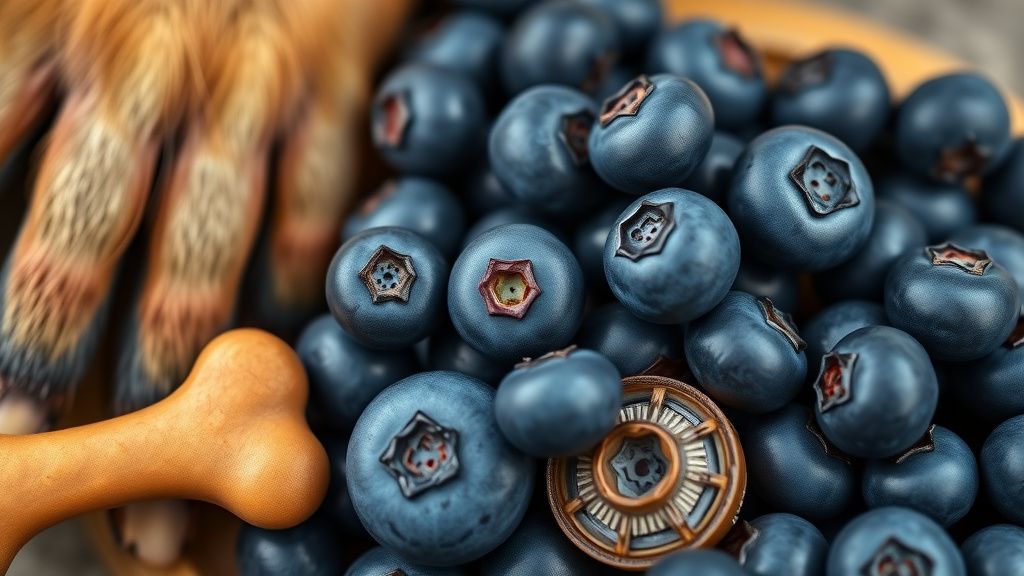
* Blueberries: These tiny berries are a fantastic training treat. They are loaded with phytochemicals, and their deep blue color comes from powerful antioxidants called anthocyanidins. Whether fresh or frozen, they're a year round source of vitamins and fiber.
* Watermelon: A perfect hydrating summer snack. Watermelon is mostly water, making it great for hot days, and it also provides antioxidants, amino acids, and vitamins A, B6, and C. Just be sure to remove the seeds and rind first.
* Pumpkin: Plain, canned pumpkin (not pie filling) is a superstar for digestive health. It's high in fiber, which can help with both diarrhea and constipation. It's also a great source of beta carotene.
Vegetables
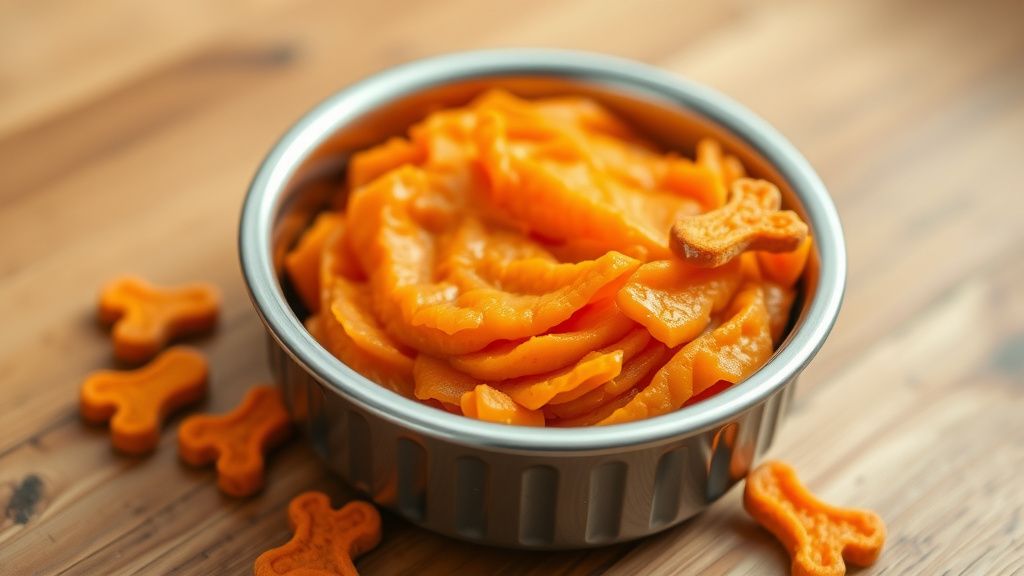
* Sweet Potatoes: Rich in beta carotene and vitamin C, sweet potatoes are a great source of energy and fiber. They support digestive health and are packed with antioxidants. You can offer them cooked and mashed or dehydrated as a chewy treat.
* Carrots: Crunchy and low in calories, carrots are excellent for dental health. They are high in fiber and contain beta carotene, which boosts immune health, supports vision, and can improve your dog's skin and coat.
* Spinach: This leafy green is packed with iron, calcium, and vitamins A, C, and K. It should be fed in moderation due to its oxalate content, but a small amount mixed into food can be a great nutrient boost.
* Butternut Squash: Similar to pumpkin, butternut squash is often found in high quality broths and foods. It's rich in vitamins, minerals, and fiber, supporting overall health and digestion.
Proteins and Seeds
* Chia Seeds: When soaked in water, chia seeds develop a gel like consistency that is easy to mix with your dog's food. This superfood is particularly helpful for pets needing extra hydration or digestive support. They are also a source of omega 3 fatty acids.
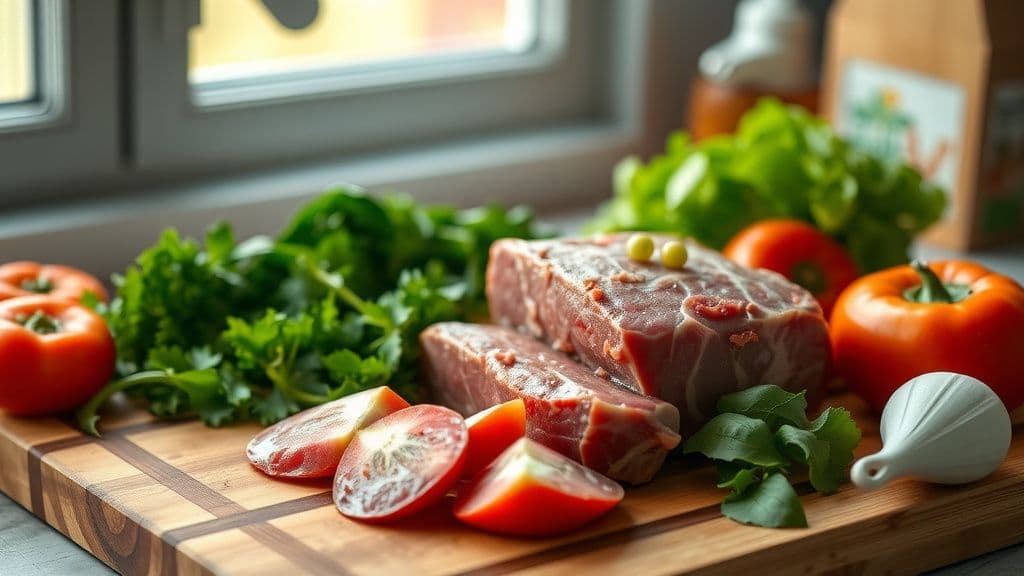
* Single Ingredient Meat Chews: High protein chews made from a single source, like beef, are more than just a treat. They provide essential amino acids for muscle maintenance and are a natural source of nutrients like iron and zinc.
Powerful Additives and Spices
* Turmeric: This golden spice has emerged as a top superfood. The active ingredient, curcumin, has antioxidant, anti inflammatory, antiviral, antibacterial, and antifungal properties. It's commonly used in diets aiming to help dogs with skin inflammation or arthritis. It's best absorbed when paired with a small amount of black pepper and a healthy fat.
* Mushrooms (like Shiitake): Certain culinary mushrooms offer powerful benefits. Compounds like lentinans can boost the immune system and have been shown to have anticancer effects in humans, with promising research for dogs. They are also low calorie snacks rich in vitamins and minerals. Always cook mushrooms before feeding and only use varieties known to be safe.
* Bone Broth: Homemade or commercially prepared bone broth from a trusted source is a soothing, nutritious supplement. A quality broth can contain healthy superfoods like blueberries and butternut squash, along with vital minerals and joint supporting compounds like glucosamine and chondroitin. It's a wonderful way to add flavor and hydration to fresh dog food or kibble.
How Should You Introduce These Foods to Your Dog's Diet?
Introducing any new food requires care to avoid upsetting your dog's stomach. The golden rule is to start slow and small.
1. Consult Your Vet First: This is especially important if your dog has any existing health conditions, allergies, or is on medication. Your vet can help you identify which superfoods would be most beneficial.
2. Start with a Tiny Amount: Begin with a teaspoon-sized portion (or even less for small dogs) mixed into their regular meal.
3. Observe Closely: Watch for any changes in your dog's stool, energy levels, or for signs of an allergic reaction like itching or gastrointestinal upset over the next 24-48 hours.
4. Increase Gradually: If all goes well, you can slowly increase the amount to an appropriate serving size for your dog's weight. A good general guideline is that treats and supplements should not make up more than 10% of your dog's daily caloric intake.
5. Prepare Foods Safely: Always wash fruits and vegetables thoroughly. Cook or steam vegetables to aid digestibility and break down cell walls. Remove all seeds, pits, cores, and rinds as needed. Avoid any added salts, sugars, fats, or seasonings like onion and garlic powder.
Finding the right balance and remembering to include these supplements can be a challenge in a busy schedule. This is where a curated dog subscription box can be a huge help. Many now include single ingredient superfood treats and chews, taking the guesswork out of providing variety and top quality nutrition.
Are There Any Superfoods or Practices to Avoid?
While the focus is on what to add, knowing what to avoid is equally critical.
* "More" is Not Better: Even healthy foods can cause problems in excess. Too much fiber can lead to gas and bloating. Too many calories from treats, even superfoods, can lead to weight gain.
* Beware of Toxic Foods: This list includes safe human foods, but many are not. Never give your dog grapes, raisins, onions, garlic, chocolate, or anything sweetened with xylitol.
* Skip the Seasonings: When preparing superfoods at home, offer them plain. The spices and additives we love, such as salt, butter, and onion powder, can be harmful to dogs.
* Quality Matters: If you're using a commercial product like bone broth or a food topper, read the ingredient list carefully. Look for products with recognizable ingredients and avoid those with unnecessary fillers or artificial additives. For a deep dive into other dietary options, you can explore our guide on freeze-dried dog food.
It's also wise to remember that a sudden change in diet can be a source of stress for some dogs. If your pup seems hesitant or anxious about new foods, introduce them with extra patience. For dogs who are generally nervous, our dog anxiety guide offers helpful strategies that can apply to mealtime as well.
Final Thoughts
Enhancing your dog's diet with superfoods is a practical and rewarding way to invest in their long term health and vitality. You don't need to overhaul everything. Start by picking one or two items from this list, like adding a few blueberries to their breakfast or mixing a little turmeric into their dinner. Observe the positive changes, whether it's a shinier coat, more consistent digestion, or a little extra spring in their step during walks.
The journey to optimal nutrition is ongoing, and it's all about providing a balanced foundation with thoughtful, nutrient rich additions. By leveraging the power of these simple, whole foods, you're giving your best friend a tangible advantage for a happy, healthy life by your side.
Recommended Products



Find the Perfect Box for Your Dog
Compare top-rated dog subscription boxes and find the best fit for your pup.
Compare Boxes