Raw Dog Diet Beginners Guide

A raw diet offers dogs unprocessed nutrition, mimicking their ancestral meals for optimal health and vitality.
A raw diet for dogs typically consists of approximately 80% muscle meat, 10% organs (with half being liver), and 10% finely ground bone. This model aims to mimic the nutritional profile of a dog's natural prey. Transitioning should be done gradually over about 7 days, and consulting with a veterinary nutritionist is highly recommended to ensure the diet is complete and balanced for your individual dog.
You love your dog, and you want to feed them the absolute best. Maybe you've heard other dog owners raving about shinier coats, higher energy levels, and better overall health after switching to a raw food diet. The idea makes intuitive sense, doesn't it? Dogs, after all, descended from wolves. But as you start looking into it, the sheer amount of information can feel overwhelming. Sourcing meats, balancing nutrients, worrying about bones, it's enough to make anyone hesitate. I've been there, sorting through the myths and facts. The good news is that with a solid foundation of knowledge, feeding your dog a raw diet can be a straightforward and incredibly rewarding journey for both of you. This guide is designed to take you from curious beginner to confident feeder, step by step.
What Exactly is a Raw Dog Food Diet?
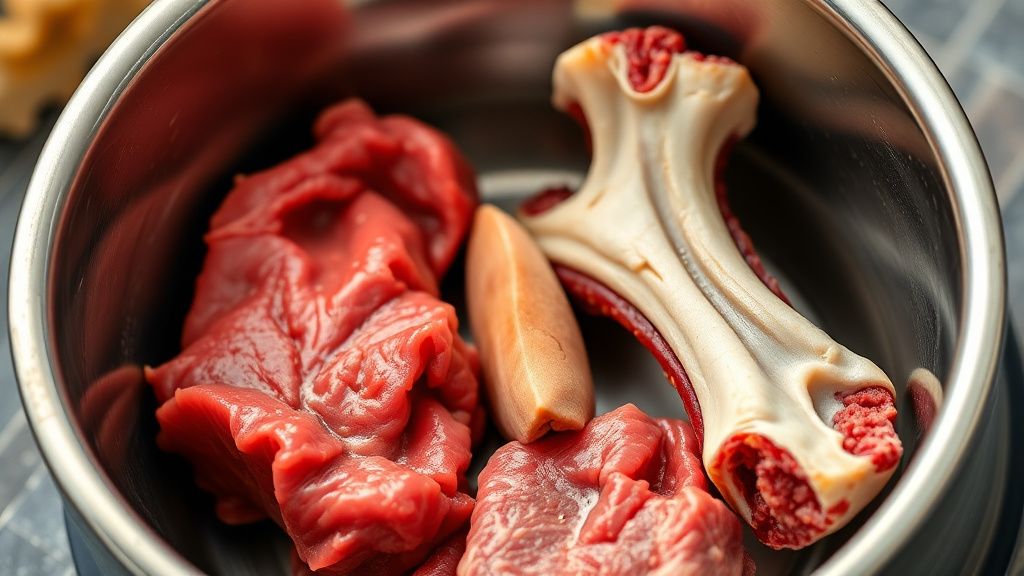
At its core, a raw diet seeks to return dogs to a way of eating that is biologically appropriate. The most common framework is the 80/10/10 model, popularized by companies like We Feed Raw. This means a meal is made from approximately 80% "meaty meat" (which includes muscle meat, connective tissue, and fat), 10% organs, and 10% bone. This ratio is designed to mirror the nutritional composition of a whole prey animal.
There are a few key approaches you'll encounter:
* Prey Model Raw (PMR): This focuses on feeding whole parts and chunks, closely simulating how a dog would eat in the wild. Think meaty bones, whole organs, and muscle meat.
* BARF Model (Biologically Appropriate Raw Food): Championed by Dr. Ian Billinghurst in his book "Give Your Dog a Bone," this model often includes a slightly broader range of ingredients, incorporating vegetables, fruits, and sometimes dairy or supplements.
* Commercial Raw: This is where companies do the hard work for you. They prepare frozen or freeze-dried formulas that are complete and balanced according to the 80/10/10 model or similar, taking the guesswork out of sourcing and portioning. This is a fantastic option for many busy pet parents and serves as a great introduction to raw feeding.
The Potential Benefits and Real Risks

Let's talk about why people make this switch. Anecdotal reports from owners and some experts point to several compelling benefits. Many observe a dramatic improvement in their dog's skin and coat, resulting in less itching and a noticeable shine. Dental health can get a boost from the mechanical action of chewing on raw meaty bones, which helps scrape away plaque. Dog owners often report smaller, firmer stools because their dogs are utilizing more of the nutrient-dense food. There can also be an increase in energy and lean muscle mass.
However, we must address the risks with clear eyes. The primary concern from veterinary professionals is bacterial contamination, such as Salmonella or E. coli, which can affect both pets and the humans handling the food. Nutritional imbalance is a serious risk if the diet is not carefully formulated; deficiencies or excesses can develop over time. Bones, if fed incorrectly, can pose a choking hazard or cause dental fractures. This is why the research from sources like the National Institutes of Health strongly advises seeking a veterinary nutritional consultation to ensure any home prepared diet is complete and balanced. It's not about scaring you away, but about empowering you to make safe choices.
Building a Balanced Raw Meal
Creating a balanced meal is the most crucial part of raw feeding. Getting the proportions right is what separates a healthy diet from a potentially harmful one. Here is a breakdown of the core components.
The Foundation: Muscle Meat (80%)This forms the bulk of the meal and provides essential protein and fat. As Primal Pooch notes, you can utilize cheaper, less desirable cuts of meat that are equally nutritious. Variety is key here to provide a range of amino acids and nutrients.
* Great options include: Beef heart (considered a muscle meat), chicken thighs, turkey, pork shoulder, lamb, and fish like sardines or mackerel.
The Nutrient Powerhouses: Organs (10%)Organs are vitamin and mineral dense. It's generally recommended that about half of the organ portion (so 5% of the total meal) come from liver, as it's incredibly rich in nutrients like Vitamin A. The other half can come from other secreting organs.
* Examples: Liver (chicken, beef, lamb), kidney, spleen, brain, and pancreas.
The Essential Mineral Source: Bone (10%)Raw, edible bone provides calcium, phosphorus, and other minerals. It's vital for skeletal health. For safety and digestibility, bones must always be fed raw and never cooked, as cooking makes them brittle and dangerous. When starting, using finely ground bone (like in many commercial patties) is often safest.
* For whole bones: Choose "meaty bones" appropriate for your dog's size, like chicken necks, wings, or turkey necks. A resource from Dogs Naturally Magazine provides a great example: if you feed chicken necks in the evening, knowing they are roughly 36% bone helps you balance the rest of the day's meals.
Additional ConsiderationsSome models, like BARF, include small amounts of pureed vegetables (like leafy greens, broccoli) or fruits (like berries) for added phytonutrients and fiber. You may also consider supplements like omega-3 fatty acids (from fish oil) or vitamin E, especially if you aren't feeding a wide variety of fish. Again, a nutritionist can guide you on what, if anything, your specific dog needs.
How to Transition Your Dog to Raw Food
Abruptly switching your dog's food can lead to an upset stomach. The consensus across guides, including one from Pretty Fluffy, is to transition gradually over a period of around 7 days. For some dogs with sensitive systems, it may take up to two weeks.
Here is a simple transition schedule:
1. Days 1-2: Feed 75% of your dog's old food mixed with 25% of the new raw food.
2. Days 3-4: Move to a 50/50 mix of old and new food.
3. Days 5-6: Feed 25% old food with 75% raw food.
4. Day 7: Make the full switch to 100% raw.
During this time, monitor your dog's stool, energy, and appetite. A slight change in stool consistency is normal as their digestive enzymes adapt. If you encounter significant diarrhea or vomiting, slow the transition down by spending more time at a previous mix ratio. Remember, patience is your friend.
Practical Tips for Getting Started
1. Source Responsibly: Find a reputable butcher, farmer, or supplier that understands you are feeding pets. Many websites and local co-ops offer "pet blends" of ground meat, bone, and organ.
2. Handle with Care: Treat raw dog food with the same hygiene you would for your own meat. Use separate utensils and bowls, clean surfaces thoroughly with a pet-safe disinfectant, and wash your hands well.
3. Start with Commercial: If DIY feels daunting, begin with a pre-made, balanced raw dog food from a trusted company. This lets you and your dog adjust to the new diet without the balancing stress. Many of these come in convenient delivery plans, similar to the curated care you'd find in the best dog subscription boxes.
4. Calculate Portions Correctly: A general starting point is to feed 2-3% of your dog's ideal adult body weight daily. So, a 50-pound dog would eat roughly 1 to 1.5 pounds of food per day, split into two meals. Adjust up or down based on your dog's activity level, metabolism, and body condition.
5. Seek Expert Advice: Before you begin, especially with a home-prepared diet, consult a professional. As noted in the veterinary research, "This advice can be obtained from a veterinary nutritional consultation by telephone or website." It is an invaluable investment in your dog's health.
Final Thoughts
Transitioning your dog to a raw diet is a significant decision that comes with a learning curve. It requires commitment, education, and a mindful approach to safety and balance. The rewards, as reported by countless dog owners, can be truly remarkable, from a vibrant coat to a seemingly rejuvenated spirit. Whether you choose to dive into DIY preparation or start with the convenience and assurance of a commercial raw or freeze-dried dog food service, you are taking a proactive step in your dog's wellness journey. Take it slow, use the resources available, and don't hesitate to ask for help from professionals. Your furry friend's wagging tail and good health will be the best thanks you can get. For more on supporting your dog's wellbeing through other means, explore our dog anxiety guide for tips on managing stress.
Find the Perfect Box for Your Dog
Compare top-rated dog subscription boxes and find the best fit for your pup.
Compare Boxes