Complete Puppy Feeding Guide: How Much, How Often & What to Feed
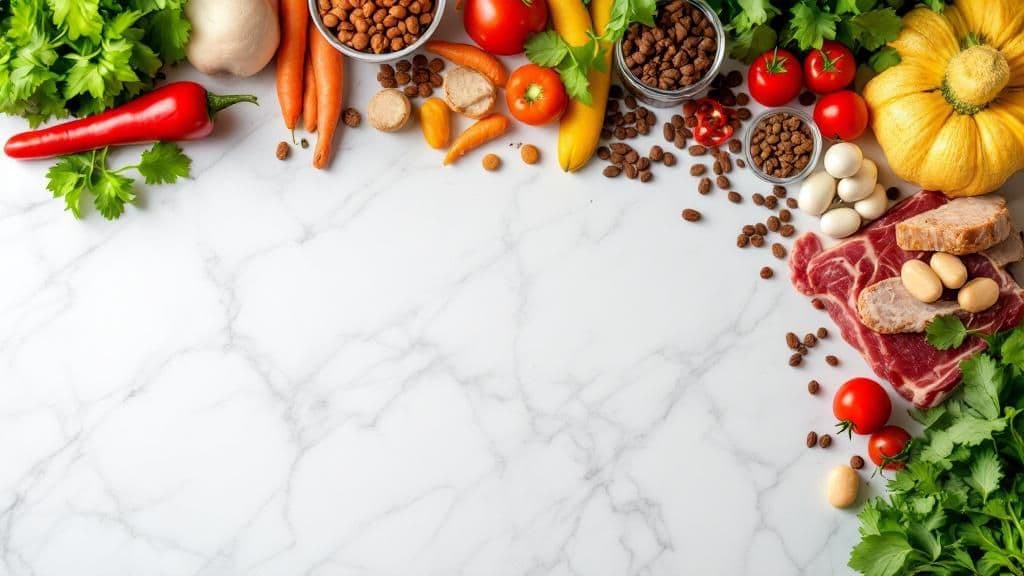
Everything you need to know about feeding your new puppy, from portion sizes to meal schedules and choosing the right food.
Feed puppies 3 meals daily until 6 months, then transition to 2 meals. Portion sizes depend on expected adult weight — follow the food manufacturer's feeding chart and adjust based on body condition score. Choose an AAFCO-labeled "for growth" or "all life stages" formula with DHA for brain development and calcium for bone growth.
Complete Puppy Feeding Guide: How Much, How Often And What To Feed
Welcoming a new puppy into your home is an incredibly exciting milestone that brings immense joy and a fair share of responsibility. One of the most critical aspects of early puppy care involves establishing a sound nutritional foundation. Proper feeding is not just about satisfying hunger, it is about providing the essential building blocks for healthy bones, a strong immune system, and optimal brain development. This comprehensive guide explores everything you need to know about puppy nutrition, ensuring your new companion thrives from their very first day with you.
Understanding Puppy Nutritional Requirements
Puppies are effectively tiny athletes in a state of constant growth and development. Because their bodies are working so hard to build muscle and bone, they require significantly more calories per pound of body weight compared to adult dogs. In fact, a young puppy may need as much as twice the caloric intake of an adult dog of the same size. However, this does not mean you should simply provide unlimited food. Precision is key because overfeeding can lead to rapid weight gain, which puts undue stress on developing joints. This is particularly dangerous for large and giant breed puppies who are prone to skeletal issues if they grow too quickly.
Quality protein serves as the cornerstone of any puppy diet. You should look for recipes where a high quality animal protein, such as chicken, beef, or salmon, is listed as the primary ingredient. These proteins provide the amino acids necessary for tissue repair and growth. Additionally, dietary fats are vital for energy and for the absorption of fat soluble vitamins. Look for sources like fish oil or chicken fat, which are rich in Omega fatty acids. Docosahexaenoic acid, commonly known as DHA, is an Omega 3 fatty acid found in mother's milk and is a crucial addition to puppy food for supporting cognitive function and vision.
Calculating How Much To Feed Your Puppy
Determining the exact amount of food your puppy needs is not a one size fits all calculation. It depends on several factors including their age, current weight, activity level, and the caloric density of the specific food you are using. Most premium puppy food brands provide a feeding chart on the bag that serves as a helpful starting point. These charts typically base recommendations on the puppy's expected puppy weight calculator.
As a general guideline for daily intake, you might consider these approximate ranges:
Toy breeds that will weigh under twelve pounds usually require one fourth to one half cup per day.
Small breeds expected to reach twelve to twenty five pounds often need one half to one cup per day.
Medium breeds landing between twenty five and fifty pounds typically consume one to two cups per day.
Large breeds destined for fifty to one hundred pounds generally require two to four cups per day.
Giant breeds that will exceed one hundred pounds may need four to six or even more cups per day.
You must remember that these are just estimates. Every puppy has a unique metabolism. If your puppy is highly active and spends hours playing and exploring, they may require more fuel. Conversely, a more sedentary puppy might need slightly less to maintain a healthy weight.
Establishing A Consistent Feeding Schedule
Consistency is one of the most powerful tools in puppy raising. Establishing a regular feeding schedule helps regulate your puppy's digestive system and makes house training significantly more predictable. When a puppy eats at the same time every day, they will generally need to eliminate at the same time every day.
The frequency of meals changes as your puppy matures:
From eight to twelve weeks of age, puppies should ideally eat four meals per day. Their small stomachs cannot handle large volumes of food, so frequent small servings prevent digestive upset and keep energy levels stable.
From three to six months of age, you can usually transition to three meals per day.
From six to twelve months of age, two meals per day becomes the standard.
Once your puppy reaches twelve months, they can typically stay on a two meal per day adult schedule.
Always try to provide meals in a quiet area where the puppy feels safe and undisturbed. Avoid vigorous exercise for at least thirty minutes before and after eating to prevent digestive issues like bloating, which can be life threatening in certain breeds.
Deep Dive Into Puppy Food Categories
The pet food market is flooded with options, which can feel overwhelming for new owners. Understanding the differences between kibble, fresh food, and wet food will help you make the best choice for your lifestyle and your puppy's needs.
Dry kibble remains the most popular choice due to its convenience, shelf stability, and cost effectiveness. High quality kibble is formulated to be nutritionally complete and the crunchy texture can help reduce plaque buildup on teeth. However, kibble is very low in moisture, so ensuring your puppy has constant access to fresh water is non negotiable.
Fresh food has gained massive popularity recently because it utilizes whole, human grade ingredients that are minimally processed. These diets often include lightly cooked meats, vegetables, and grains. The high moisture content and superior digestibility of fresh food can lead to smaller, firmer stools and a noticeably shinier coat. While more expensive than kibble, many owners find the health benefits well worth the investment.
Wet or canned food is another excellent option for adding moisture and variety. It is often more palatable for picky eaters. You can use wet food as a complete meal or as a topper to make kibble more enticing. Regardless of the form, ensure the packaging carries a statement from the Association of American Feed Control Officials, or AAFCO, confirming it is formulated for growth or all life stages.
Monitoring Your Puppys Body Condition
Instead of relying solely on the scale, you should learn to assess your puppy's body condition by sight and touch. This is a far more accurate way to tell if you are feeding the correct amount.
When you look at your puppy from above, you should see a clear indentation at the waist behind the ribs. When you look from the side, the abdomen should have a slight upward tuck. When you run your hands along their sides, you should be able to feel the ribs under a thin layer of fat without having to press hard. If the ribs are visible, your puppy may be underweight and needs more calories. If you cannot feel the ribs at all, your puppy is likely carrying too much weight.
Common Feeding Pitfalls To Avoid
One of the most frequent mistakes is free feeding, which involves leaving a bowl of food out all day. This makes it impossible to track exactly how much your puppy is eating and removes the structure that helps with house training. Stick to scheduled meal times and pick up the bowl after twenty minutes.
Another error is switching food brands too quickly. A puppy's digestive tract is sensitive. If you decide to change their diet, do so gradually over seven to ten days by mixing increasing amounts of the new food with the old food. This prevents diarrhea and upset stomachs.
Be cautious with treats. While they are essential for training, treats should never make up more than ten percent of your puppy's total daily calories. Overindulging in treats can lead to nutritional imbalances and obesity.
Expert Tips For Successful Puppy Feeding
Expert tip number one involves the use of slow feeders or puzzle toys. Many puppies eat too fast, which can lead to choking or vomiting. Using a bowl designed with obstacles or a toy that dispenses kibble slowly encourages them to chew and spend more time engaging with their food.
Expert tip number two is to tailor the diet to breed size specifically. best for large dogs puppies have very specific requirements for calcium and phosphorus ratios to ensure their bones do not grow faster than their joints can support. Always choose a "Large Breed" specific puppy formula if your pup is expected to weigh over fifty pounds as an adult.
Expert tip number three is to keep a feeding log during the first few months. Write down how much they eat, the times of their meals, and the consistency of their stools. This data is incredibly valuable if you ever need to consult your veterinarian about growth or digestive concerns.
Frequently Asked Questions About Puppy Feeding
Can I feed my puppy adult dog food?
It is best to avoid this. Adult dog food does not contain the high levels of protein, fat, and essential minerals like calcium that a growing puppy requires. Feeding adult food too early can lead to developmental deficiencies.
When should I switch to adult food?
The timing depends on the breed. Small dogs usually mature by nine to twelve months. Medium dogs transition around one year. Large and giant breeds continue growing for a long time and should often stay on puppy food for eighteen to twenty four months.
Is it okay to give my puppy table scraps?
You should generally avoid table scraps. Many human foods, such as onions, garlic, grapes, and certain spices, are toxic to dogs. Scraps can also lead to picky eating habits and unwanted weight gain.
How many treats can I give during training?
Focus on using tiny, pea sized treats or even pieces of their regular kibble. As long as the total treat volume stays under ten percent of their daily intake, you are in the clear.
My puppy is a picky eater, what should I do?
First, ensure there are no underlying health issues by chatting with your vet. If they are healthy, try adding a little warm water or a spoonful of plain canned pumpkin to their food to enhance the aroma and flavor.
Final Thoughts On Puppy Nutrition
Feeding your puppy is one of the most impactful ways you can influence their long term health and happiness. By choosing high quality ingredients, maintaining a consistent schedule, and carefully monitoring their growth, you are setting them up for a vibrant life. Remember that your veterinarian is your best partner in this journey. Do not hesitate to ask for a professional opinion if you are ever unsure about your puppy's nutritional needs. Enjoy this special time with your new best friend and take pride in knowing you are providing them with the very best start possible.
Recommended Products


Find the Perfect Box for Your Dog
Compare top-rated dog subscription boxes and find the best fit for your pup.
Compare Boxes