Stop Your Puppy From Biting Now

Navigate the puppy biting phase with effective tips to curb nipping and promote gentle play.
The puppy biting phase typically lasts three to six months, with significant improvement by the time your dog gets adult teeth around five to six months. However, the total mouthing stage can last up to nine months, and the habit will persist if you don't teach bite inhibition.
It happens to every new puppy parent. You’re playing, you’re cuddling, you’re living that dream life with your new furry bundle of joy, and then… a tiny set of razor sharp teeth sinks into your hand, your ankle, or your favorite sweater sleeve. It’s frustrating, it can be painful, and you might wonder, “Is this normal? Will my dog ever stop?” I’ve been there myself, and I can tell you with confidence: yes, it is completely normal, and yes, they will stop. But understanding why they bite and how to guide them through this phase is the key to saving your skin and your sanity.
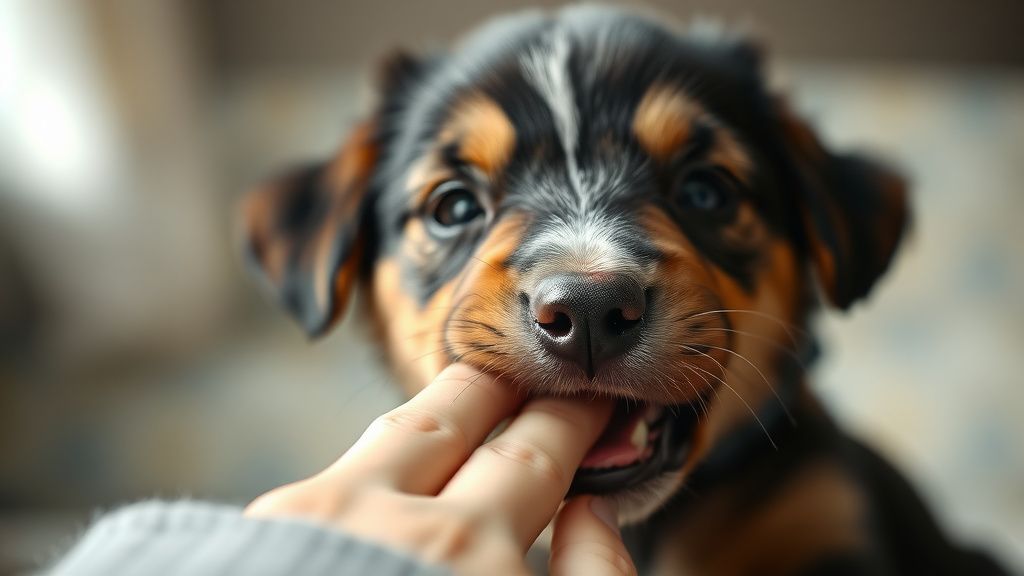
Puppy biting isn't a sign of a bad or aggressive dog. It’s a complex behavior rooted in development, communication, and plain old curiosity. They explore the world with their mouths, just like human babies use their hands. They play with their mouths because that’s how they interacted with their littermates. And, most significantly, they chew and bite to soothe the intense discomfort of teething. This natural process lasts until about six months of age, when all 42 adult teeth have finally emerged. Your job during this time isn't just to survive the nipping, but to teach your puppy how to use their mouth gently around people. Let’s explore what’s happening in that little mouth and how you can effectively manage it.
Why Do Puppies Bite So Much?
Before we can fix a problem, we need to understand its roots. Puppy biting isn't one single behavior with one single cause. It’s a multi purpose tool for your dog.
How Long Does the Biting Phase Last?
Now for the timeline you’re desperately searching for. How long will your hands be under siege? The answer isn't one fixed date, but a general progression based on development.
The Core Teething Period: Most experts agree the intense biting and mouthing stage lasts about three to six months. Teething itself wraps up around six months, when all adult teeth are in. As teething wraps up, most puppies naturally begin to mouth less. By this point, biting during play should start to soften or fade. The Peak: Puppy biting reaches its peak when the puppy is transitioning from baby teeth to adult teeth, around 12 to 13 weeks of age. This is when you might feel most overwhelmed. The Turning Point: Many owners report that it does get significantly better around five to six months at that adult teeth stage. The physical need to chew subsides, and they’ve ideally learned some bite inhibition from your training. The Full Duration: As a rough guide, your puppy’s biting phase will usually last around six to nine months from birth. However, it varies significantly between different breeds and personalities. A lot of growth happens during this time, and while this part of puppyhood is a pain for the pet parent, it’s a stage that doesn’t last more than a year for most dogs.The critical thing to remember is this: the phase will last as long as you let it. If you don't break the habit when you’re a pup, your dog will grow into a big biting machine that could accidentally hurt someone someday. Your active training is what turns a natural phase into a temporary one.
How to Stop Puppy Biting: Effective Training Techniques
Training bite inhibition is about teaching your puppy that human skin is incredibly sensitive. Here are the most effective, research backed methods.
The "Opposite of Attention" Method: Since biting is often for attention, you must become boring when bitten. Immediately stop all interaction. Stand up, turn away, and be silent for 30 seconds. This mimics how a littermate would yelp and stop playing. It teaches that biting ends fun. Redirection is Your Best Friend: Always have an acceptable chew item ready. When teeth touch skin, say "Oops!" in a neutral tone, remove your hand, and immediately offer the toy. Praise them lavishly when they take the toy. This redirects the natural urge to chew onto an appropriate object. Time Outs: If your puppy is over excited and biting despite redirection, a brief time out can help. Calmly lead them to a safe, quiet space like a puppy pen for a minute or two to cool down. This isn't a punishment, it’s a chance to reset. Consistency Across All People: Everyone in the household, and all visitors, must use the same rules. If one person allows playful nibbling and another doesn't, your puppy will be confused and the training will fail. Manage Their Environment: Puppies will often bite due to a mixture of curiosity and to help soothe their sore gums. Keep tempting items like shoes or remote controls out of reach. Provide safe, vet approved chew options and maintain predictable daily routines to support comfort during this phase.What to Do If Biting Continues or Gets Worse
If your dog has their adult teeth and continues to bite hard enough to cause pain, broken skin, or bleeding and none of your bite inhibition approaches are working, it’s time to seek professional help. This is not a failure. It’s a responsible next step.
A certified behavior consultant (CDBC), a certified applied animal behaviorist (CAAB), or a veterinary behaviorist (DACVB) are all qualified to help you. They can assess if there’s an underlying issue like fear, anxiety, or pain that’s driving the behavior.
Also, schedule a veterinary check. Your vet can rule out medical causes, like persistent dental pain or other health problems, and confirm that your puppy’s behavior is still within the range of normal development.
Essential Tools and Products to Manage Teething
Having the right items on hand makes training easier and keeps your puppy comfortable.
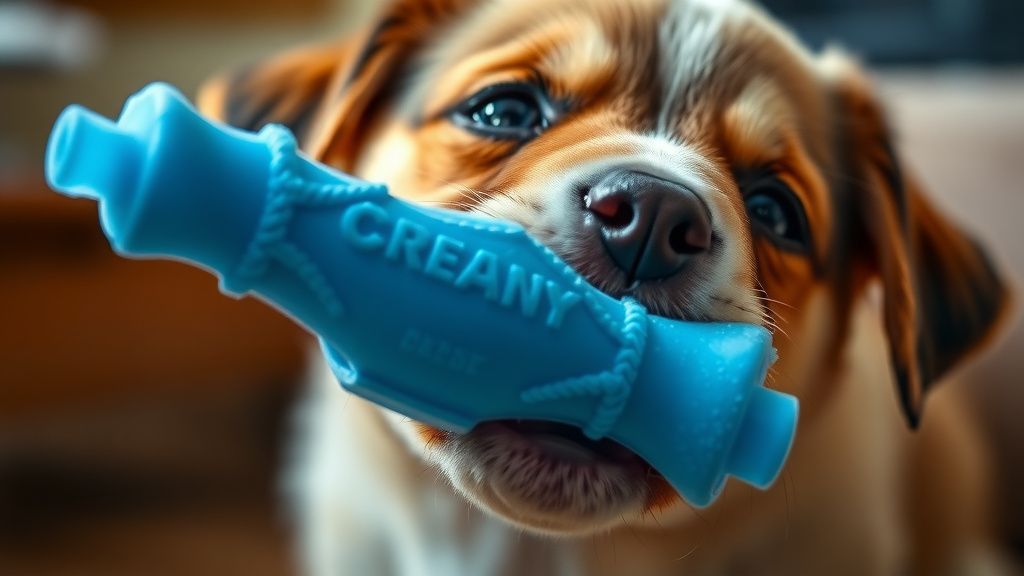
A Variety of Chew Toys: Different textures satisfy different needs. Rubber toys are great for chewing, soft plush toys can be comforting, and rope toys can help clean emerging teeth. Having a rotation keeps your puppy interested in their toys instead of your belongings. Chews with Different Temperatures: Cold can be especially soothing for inflamed gums. Try soaking a rubber toy in water and freezing it, or offering vet approved frozen treats. The cold provides relief from teething pain. Long Lasting Edible Chews: These satisfy the chewing urge and can be a tasty reward. Look for single ingredient chews like dried meat or reputable dental chews. They’re perfect for times when you need your puppy to be calmly occupied, like during crate time or when you’re working. Including these in a regular dog food delivery plan can ensure you always have a stock of best dog treats. Subscription Boxes for Variety: Puppies can get bored with the same old toys. A monthly best dog subscription boxes service can be a game changer, delivering new, exciting textures and chew types regularly to keep your puppy engaged and their chewing directed away from your furniture.Final Thoughts
The puppy biting phase feels long when you’re in it, but in the grand scheme of your dog’s life, it’s a brief chapter. It typically lasts three to six months, with the worst of it often easing by five to six months. Your patience, consistency, and smart use of redirection will shape how your puppy uses their mouth for life.
Remember, this behavior is normal. It’s a combination of development, play, and communication. By providing appropriate outlets for chewing, teaching bite inhibition through calm reactions, and seeking help if needed, you’ll navigate this phase successfully. Soon, those needle sharp puppy teeth will be replaced by adult teeth, and the frantic nipping will give way to gentle, trained mouth manners. The effort you put in now builds the foundation for a trustworthy, gentle dog you can confidently enjoy for years to come.
Recommended Products



Find the Perfect Box for Your Dog
Compare top-rated dog subscription boxes and find the best fit for your pup.
Compare Boxes