Plan Dog Friendly Road Trip Pit Stops
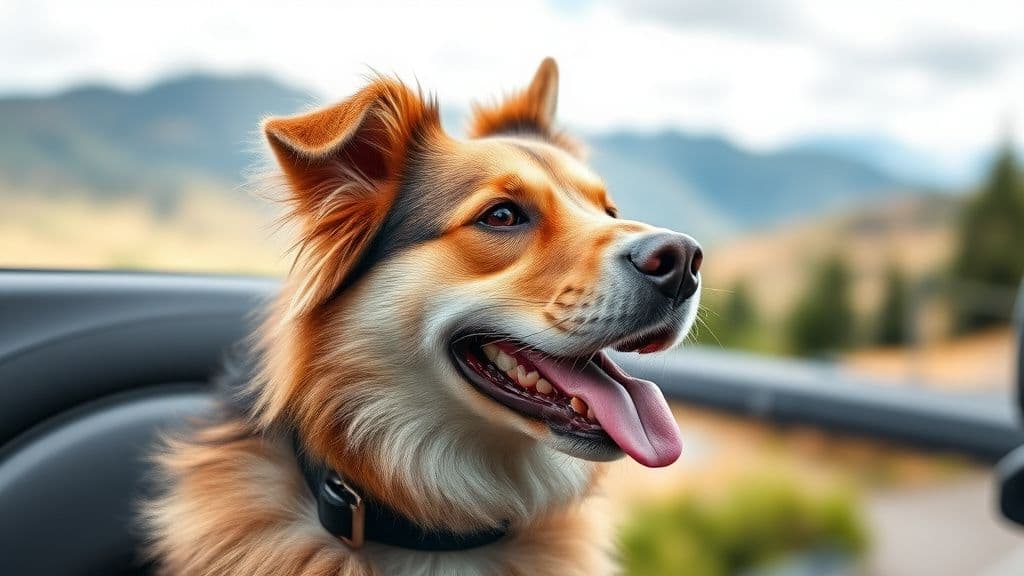
Plan a dog friendly road trip with pit stops for breaks, exercise, and pet relief.
Plan a dog road trip route by first identifying dog friendly pit stops every two to three hours. Use apps like BringFido or Roadtrippers' Autopilot™ to find pet relief areas, dog parks, and pet friendly restaurants along your route. Prioritize stops with safety features, like dedicated pet areas at chains like Love's Travel Stops, and always have a backup plan.
Hitting the open road with your dog is one of life's great joys. The shared adventure, the changing scenery, the bond that strengthens with every mile. But anyone who's tried it knows that a successful trip with a canine co-pilot requires more than just tossing a leash in the car and pointing the wheels east. The difference between a stressful journey and a fantastic one often comes down to one crucial element: the pit stop. A well planned route built around accessible, safe, and engaging rest areas is your secret weapon. It transforms a long drive into a series of manageable, even enjoyable, segments for both you and your dog.
Why Is Pit Stop Planning So Critical for Dogs?
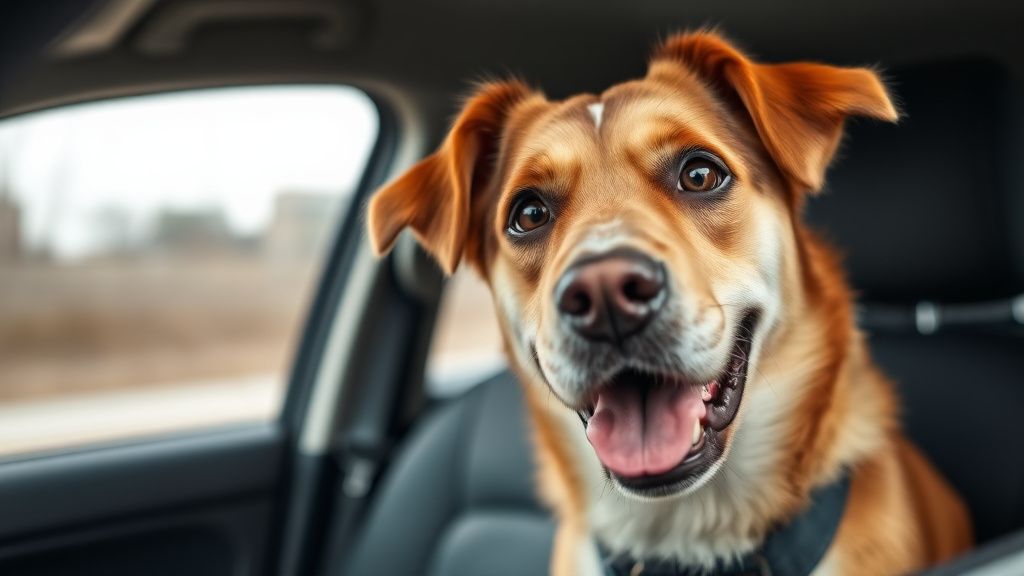
Dogs don't experience road trips the way we do. They can't tell us they're thirsty, anxious, or need to stretch a stiff leg. They rely entirely on us to anticipate their needs. An unplanned, frantic search for a place to pull over when your dog is whining creates stress for everyone. Worse, it can lead to unsafe stops on busy highway shoulders or in unwelcoming areas.
Planning your route around confirmed dog friendly stops eliminates this guesswork. It provides a predictable rhythm to the day. Your dog learns the routine: drive, stop, explore, hydrate, repeat. This structure can significantly reduce travel anxiety. Furthermore, these breaks are not just for bathroom needs. They are vital for mental stimulation, physical exercise, and reinforcing that this big, moving box is part of a fun adventure. I've seen dogs go from restless and panting to calm and content simply by having a consistent five minute sniff-and-stroll break every few hours.
How to Map Your Route: Tools and Timing
The first step is laying out your journey with your dog's biology as the primary guide. Experts like those cited by Chewy recommend stopping every two to three hours. This interval is a good rule of thumb for most dogs to relieve themselves, get a drink, and shake off the stiffness. Puppies, senior dogs, or those with health issues may need breaks even more frequently.
Now, how do you find these stops? This is where modern tools become invaluable.
* Use a Pet Specific Planner: Apps and websites are game savers. As noted in our research, BringFido is excellent for locating nearby pet friendly restaurants, dog parks, and beaches. For a more integrated route planning experience, Roadtrippers' Autopilot™ is designed for this exact purpose. When you tell it you're traveling with pets, it uses data from millions of trips to suggest pet friendly stops along your chosen route.
* Identify Reliable Chains: Some businesses have made a commitment to traveling pet owners. The research specifically highlights Love's Travel Stops as a great option because they often feature dedicated, fenced pet relief areas. While not every location is perfect, targeting these known chains along your interstate route can provide a reliable baseline of safe, predictable stops.
* Plot and Backup: Don't just find one stop per segment. Find two. A planned stop might be unexpectedly closed, overcrowded, or under construction. Having a backup option a few miles down the road keeps you calm and in control. Mark these on your digital map or a physical atlas.
What Makes a Pit Stop Truly Dog Friendly?
Not all stops are created equal. A wide gravel shoulder is not a dog friendly pit stop. When evaluating a potential break location, whether found on an app or spotted from the road, look for these key features.
Safety is Non-Negotiable
This is the most important factor. The area should be well away from moving traffic. Dedicated pet areas at travel plazas are ideal. If you're using a more natural spot, like a quiet pull-off, ensure your dog is securely leashed and you have full visibility. Always have a stake or tie out cable in your gear, as suggested by Pheasants Forever, so your dog can have a moment of freedom without the risk of bolting. A quick check for broken glass, sharp rocks, or toxic plants is also a smart habit.
Amenities That Matter
Look for stops that offer more than just grass. The perfect pit stop combines several needs:
* Relief Area: Clearly defined space for bathroom breaks.
* Trash Cans: For immediate waste cleanup.
* Fresh Water: Some advanced pet stops have water stations. If not, always have your own jug and travel bowl ready.
* Space to Walk: A small grassy area or even a quiet paved path is better than a cramped patch of dirt. A short, slow walk is better for your dog's circulation and mental state than just standing still.
The Gas Station Advantage
As The DINK Dog Mom points out, the humble gas station is often a perfect, pragmatic pit stop. It solves three problems at once: you refuel the car, you use the restroom, and your dog can take care of business. Their ubiquity makes them excellent backup options. When using a standard gas station, just be extra vigilant about safety, parking away from pumps and main traffic flow.
Pre-Trip Preparation: Beyond the Route
A brilliant route is only part of the equation. What you pack and prepare before you turn the key is what makes the plan work.
* The Vet Visit: The Animal Humane Society strongly recommends a pre trip vet check. Ensure vaccinations are current, and discuss flea, tick, and heartworm preventatives for the areas you'll be traveling through. This is also the time to ask about motion sickness or anxiety remedies if your dog is prone to them. Getting a copy of their medical records to keep in the car is a pro move.
* Emergency Planning: Hope for the best, plan for the worst. As advised by KAYAK's travel experts, find veterinary clinics or pet hospitals near your planned overnight stops and a few along the route itself. Save their addresses and phone numbers in your phone. This preparation is invaluable in a crisis.
* The Pit Stop Kit: Pack a dedicated bag or box for pit stop essentials so you're not digging through the entire car every time. Include:
* Collapsible water bowl and a large gallon jug of water.
* Leash, extra collar, and a tie out stake/cable.
* Waste bags (plenty of them!).
* A small towel for muddy paws or quick clean-ups.
* High value treats or a portion of their meal for a quick energy boost and positive reinforcement. This is a great time to use those special best dog treats you've been saving.
* A familiar toy for a brief, calming play session.
Making the Most of Your Stops
A pit stop is a mini-adventure, not just a biological necessity. Use these few minutes to truly connect with and check in on your dog.
Offer water immediately, even if they don't seem thirsty. Encourage a short, gentle walk to stretch all their muscles. Let them sniff thoroughly; this is how they read the world and it's incredibly mentally tiring in a good way. Practice a simple command like "sit" or "look" and reward them. This reinforces your bond and keeps their mind engaged.
If you've planned a longer break at a dog park or pet friendly restaurant patio, enjoy it. This is the reward for your careful planning. Your dog gets to socialize or relax by your side, and you get to take a real breath. These positive experiences build your dog's confidence and make them more eager travelers in the future.
For the journey's meals, consistency is key to avoid stomach upset. Stick to their regular food. If you use a dog food delivery service for fresh meals, plan how you'll keep them cool on the road. The convenience of having perfectly portioned, high quality meals ready to go is a huge travel advantage, similar to the surprise and joy a monthly dog subscription box brings at home.
Final Thoughts
Planning a dog road trip route based on pit stop access isn't about restriction; it's about creating freedom. It's the framework that allows for spontaneous laughter, peaceful scenery, and the deep contentment of a dog sleeping soundly in the passenger seat after a day of gentle adventure. By investing time in mapping those crucial breaks, preparing a solid kit, and prioritizing your dog's safety and comfort, you're not just planning a trip. You're crafting memories that you and your four legged best friend will carry long after the road ends. So plot those stops, pack the treats, and get ready for the open road. Your perfect adventure is waiting. For more tips on keeping your dog comfortable during new experiences, you might find our dog anxiety guide helpful.
Find the Perfect Box for Your Dog
Compare top-rated dog subscription boxes and find the best fit for your pup.
Compare Boxes