Apartment Puppy Potty Training Made Easy
City pups can thrive! Our apartment guide simplifies potty training for urban dog owners.
House training a puppy in an apartment requires a consistent schedule, using pee pads by the door as a transitional tool, and leveraging enzymatic cleaners for accidents. Start early, take your puppy out frequently after eating, drinking, playing, and waking up, and use positive reinforcement like treats and praise for success.
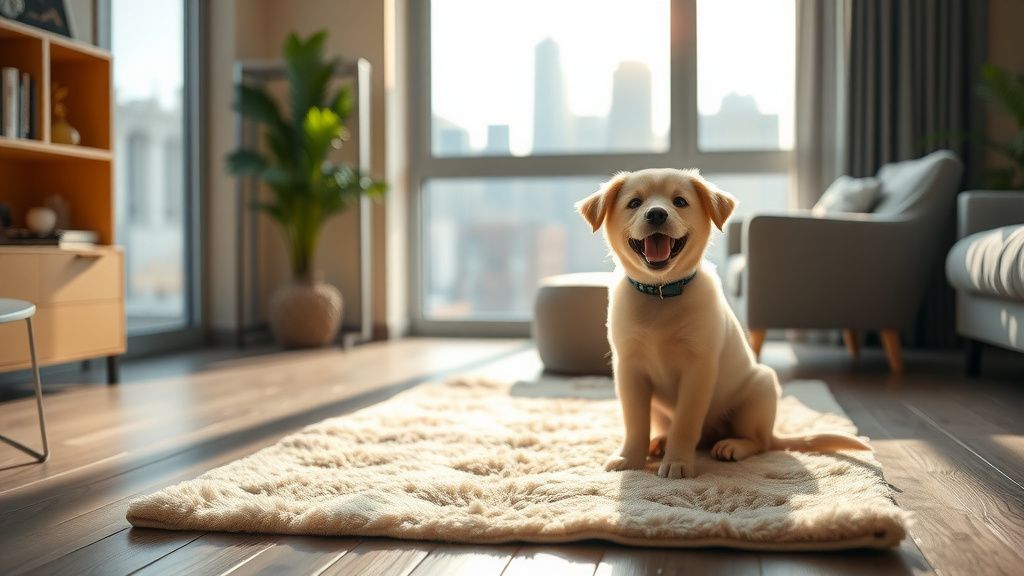
Bringing a puppy into your city apartment is an adventure filled with joy, laughter, and, let's be honest, a few puddles. While the dream of a puppy racing through a backyard is lovely, the reality for many urban dwellers involves elevators, leashes, and a bit more strategy. Don't let the lack of a private yard deter you. With a solid plan and consistent execution, you can successfully house train your puppy and build a harmonious life together in your urban space. The key is adapting classic training principles to the unique challenges and rhythms of apartment living.
The Core Principle: Management and Prevention
Successful apartment house training rests on one foundational idea: never give your puppy the opportunity to make a mistake inside. This is even more critical when you live several floors above the ground. Your puppy has a tiny bladder and limited control. It is your job to anticipate their needs and get them to the right spot before an accident happens.
This means you must be vigilant and proactive. You are not just training your puppy; you are training yourself to recognize their signals and stick to a strict schedule. Think of it as setting up a system where success is the only option. By managing their environment and schedule tightly, you build a clear habit for your puppy: the only place to relieve themselves is the designated potty area.
How Do You Start House Training an Apartment Puppy?
Begin the very first day your puppy comes home. Consistency from day one prevents confusion. Your initial steps will set the tone for the entire process.
First, choose your potty area. Will you be using indoor pee pads temporarily, or going straight for outdoor breaks? Many experts, including the AKC, suggest placing pee pads near the door. This serves as a helpful transitional spot. When your puppy gets older and learns to signal they need to go out, they will already be accustomed to heading to the door area. If you see your puppy start to eliminate in the wrong spot, calmly pick them up and move them to the correct pad or outside immediately.
Next, establish a confined living space. Use a crate or a puppy-proofed pen (often called an exercise pen or x-pen). Dogs are naturally den animals and are reluctant to soil their sleeping area. A properly sized crate, where they can stand, turn around, and lie down comfortably, becomes a safe haven and a powerful tool for bladder control. When you cannot supervise your puppy directly, they should be in their crate or pen. This prevents stealthy accidents behind the couch and helps them learn to hold it.
What Does a Successful Apartment Potty Schedule Look Like?
A predictable routine is your best friend. Puppies thrive on knowing what comes next. Their small bodies need to eliminate very frequently, so your schedule must account for that.
Take your puppy to their potty spot at these key times:
* Immediately after waking up from a nap or in the morning.
* Within 10-15 minutes after eating a meal.
* Right after a vigorous play session.
* After drinking a large amount of water.
* Just before bedtime.
* Every 1-2 hours during the day, in addition to the triggers above.
Stick to a consistent feeding schedule as well. Feed your puppy two to three measured meals a day at the same times, rather than leaving food out all day. This allows you to predict when they will need to go out. Pairing a high value treat from a dog food delivery service or a special snack reserved only for potty success can make a big difference. When they do their business in the right spot, reward them instantly with enthusiastic praise and that delicious treat.
What Are the Biggest Apartment-Specific Challenges?
Living in a multi story building introduces unique hurdles. The biggest issue is often the distance between your living space and the final potty area outside. A puppy that signals they need to go cannot wait for you to find your shoes, leash, and ride the elevator down 10 floors.
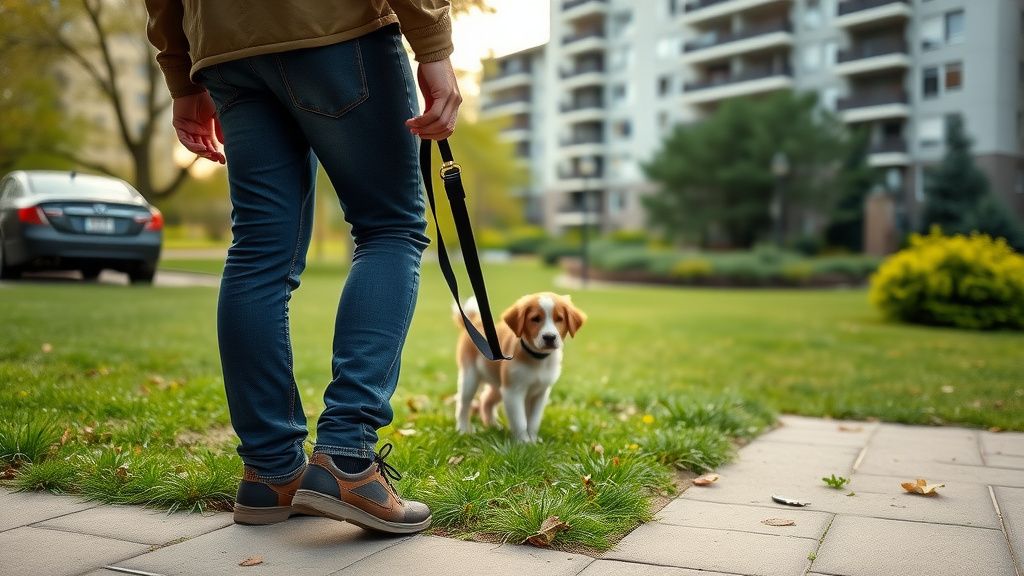
To manage this, use the "doorstep drill." Keep a leash, treats, and waste bags right by your door. The moment your puppy shows a sign they need to go, you can spring into action without delay. For young puppies, you may need to carry them part of the way to prevent an accident in the hallway or elevator.
Noise and distractions are another factor. City streets are full of startling sounds, other dogs, and interesting smells. Your puppy might get distracted and forget why they are outside. Be patient. Choose a specific, quiet curb patch or area and stand there calmly. Give them a few minutes to focus and go. If they don't go after 5 minutes, take them back inside, put them in their crate for 10-15 minutes, and then try again. This teaches them that potty time is for business, not play.
How Do You Handle Accidents Correctly?
Accidents will happen. They are not a sign of failure but a learning opportunity. How you respond is crucial.
Never punish or scold your puppy for an accident, especially if you didn't catch them in the act. They will not understand why you are upset; they will only learn to be afraid of you or to eliminate in hidden spots where you won't see them.If you catch your puppy in the act, interrupt them with a neutral sound like "oops" or a clap, immediately pick them up or lead them, and take them directly to the correct potty spot. Praise and treat if they finish there.
The most important step is proper cleanup. You must use an enzymatic cleaner specifically designed for pet stains. Regular household cleaners will remove the smell to your nose, but your puppy's powerful sense of smell will still detect the residue, marking that spot as an acceptable bathroom area. Enzymatic cleaners break down the organic compounds completely, eliminating the scent cue for future accidents.
What Tools and Supplies Make Apartment Training Easier?
Having the right gear on hand turns chaos into a smooth operation.
* Enzymatic Cleaner: This is non negotiable. Keep a bottle ready.
* Pee Pads: Useful for beginners, middle of the night needs, or creating that transitional spot by the door.
* Potty Bells: Hang a set of bells on your door handle. Train your puppy to nudge them with their nose before you go out. This gives them a clear way to communicate their needs.
* High Value Treats: Use small, smelly treats your puppy loves. You can find excellent options in our guide to the best dog treats.
* Crate and Exercise Pen: For safe confinement and management.
* Subscription Support: A dog subscription box can be a great way to consistently receive new training treats, toys, and cleanup supplies, keeping you prepared.
Consider seeking professional help too. Many trainers offer classes on housetraining, in addition to offering puppy socialization classes, which are vital for a well adjusted city dog. If you notice signs of persistent anxiety around potty training or leaving them alone, our dog anxiety guide can offer additional support strategies.
Final Thoughts
House training a puppy in an apartment demands a bit more planning and patience than in a home with a yard, but it is absolutely achievable. Your success hinges on the trio of consistency, prevention, and positive reinforcement. Celebrate the small victories, like the first time your puppy signals they need to go or makes it through the night without an accident. Those moments build the foundation for a clean, happy home and a deep bond with your furry roommate.
Remember, this phase is temporary. The effort you put in now to establish clear routines and communication will pay off for years to come with a well trained, confident dog who knows the rules of your urban den. Before you know it, the frequent trips outside will become a normal part of your city life, and you'll have a perfect companion to explore it with.
Recommended Products



Find the Perfect Box for Your Dog
Compare top-rated dog subscription boxes and find the best fit for your pup.
Compare Boxes