Your Puppy's Sleep Schedule By Age

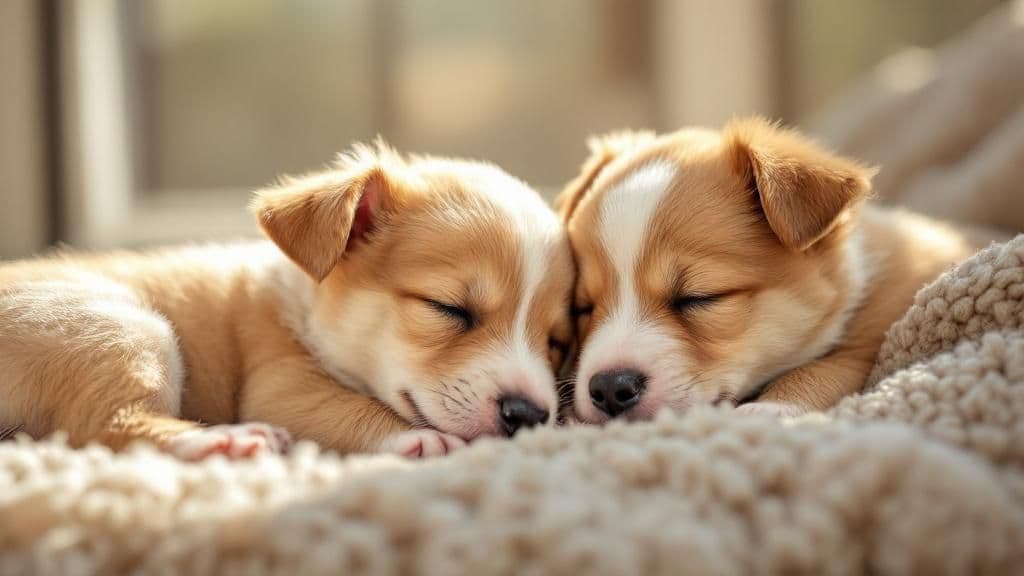
Puppies need lots of sleep, with newborns sleeping up to 22 hours, gradually decreasing as they grow into adulthood.
Newborn puppies can sleep up to 22 hours a day. From 2 weeks to about 6 months old, most puppies need 18 to 20 hours of sleep within a 24-hour period. By their first birthday, they typically settle into an adult pattern of 10 to 14 hours of sleep per day.
Bringing home a new puppy is a whirlwind of tiny paws, joyful chaos, and a surprising number of naps. You might watch your little furball conk out mid-play and wonder, is this normal? The answer is a resounding yes. Puppies spend a massive portion of their day asleep, and understanding their sleep needs is one of the most important parts of setting them up for a healthy, happy life. Sleep isn't just downtime; it's when their little bodies and brains do the critical work of growing and developing. I've seen many new puppy parents worry their pup is lethargic, only to realize they're just following a perfectly natural, exhausting schedule of explore, eat, play, and sleep. This guide will break down exactly how much sleep your puppy needs at each stage, offering practical tips to help everyone in the house get better rest.
Why Do Puppies Sleep So Much?
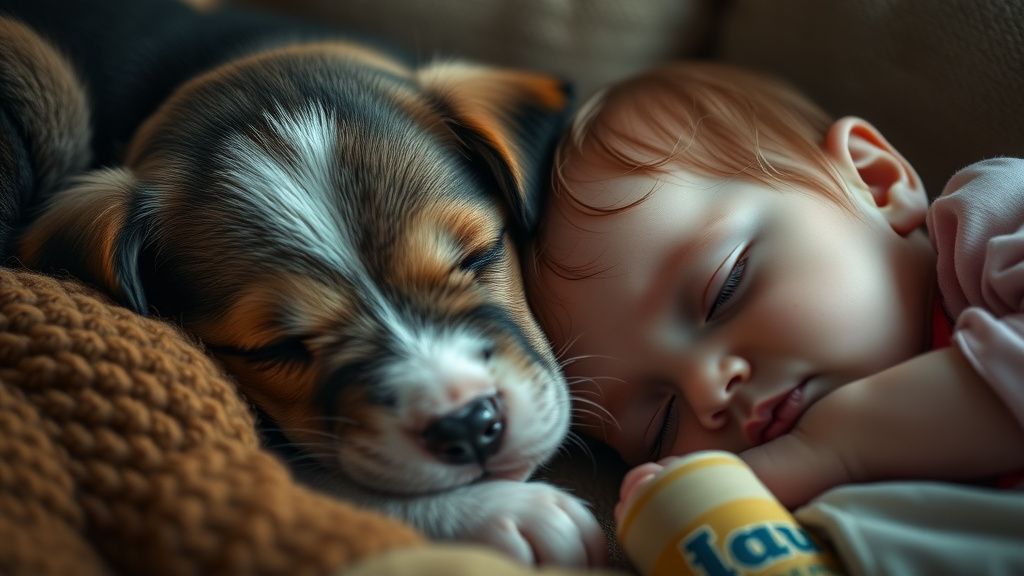
Think of your puppy as a furry little toddler with a supercharged growth engine. All that rapid physical development, from building bone and muscle to strengthening their immune system, requires enormous amounts of energy. Sleep is the recovery period where that growth happens. It's also essential for cognitive development. Their brains are processing a brand new world of sights, sounds, and smells. Every training session, every new person they meet, every strange object they investigate gets filed away during sleep. This mental processing is just as taxing as physical play. Without sufficient sleep, puppies can become overtired, which often looks a lot like being hyperactive, bitey, or unable to settle. Ensuring they get enough rest is actually a key strategy for managing behavior and making training more effective.
Puppy Sleep Schedule by Age
A universal schedule doesn't work for puppies, as their needs change dramatically in the first year. Here's a detailed, age-by-age breakdown based on expert data.
Newborn to 2 Weeks Old (The Neonatal Stage)
During this stage, puppies are essentially helpless. Their eyes and ears are closed, and their world is defined by warmth, touch, and their mother's milk. Sleep dominates their existence. According to research, very young puppies less than two weeks old sleep for an incredible twenty-two out of twenty-four hours a day. They wake only to nurse, stimulated by their mother. If you are caring for an orphaned newborn, your primary job is to provide feedings every two hours and allow them to sleep undisturbed in a warm, safe whelping box.
2 Weeks to 4 Months Old (The Sleep Marathon)
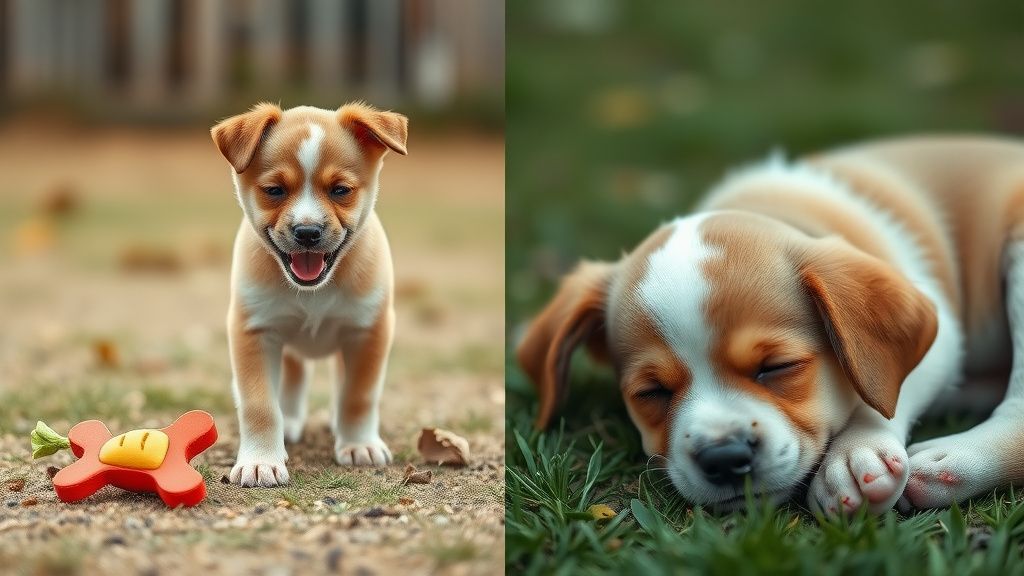
This is the period most new owners experience, and the sleep numbers are staggering. From weaning through the first few months at home, puppies usually sleep from 18 to 20 hours a day. Don't expect this to be one long stretch. A young puppy's sleep cycle is a series of naps interspersed with bursts of intense activity. They'll play ferociously for 30 to 60 minutes and then crash hard for the next hour or two. This pattern repeats all day. At night, you can start to build a routine. Puppies between 7-16 weeks old can often sleep 6-8 hours straight, but they will almost certainly still need a middle-of-the-night potty break. A good rule of thumb from veterinarians is to translate your puppy’s age in months into hours, and expect them to need a bathroom break at least that often. A 2-month-old puppy may need a break every 2 hours.
4 to 6 Months Old (The Transition Phase)
You'll start to notice a gradual decrease in total sleep time. Data shows the average 4-month-old puppy sleeps a little over 11 hours in a 24-hour period. This is when you'll see the shift from many short naps to a few longer, deeper sleep sessions. They'll start to sync more with the household rhythm, often taking a solid morning and afternoon nap. According to observations from puppy owners, many pups begin to settle into an "adult" sleep pattern by around 6 months, which includes at least 1 or 2 deep sleep naps complete with snoring and dreaming when the house is quiet. Nighttime sleep should be more reliable, with many puppies capable of sleeping through the night without a potty break.
6 Months to 1 Year Old (Approaching Adulthood)
As your puppy nears their first birthday, their sleep needs consolidate further. They will settle into sleeping 8-14 hours per day. One study noted that at 12 months of age, young dogs sleep for just under 11 hours in a 24-hour period and nap for around three hours during the day. Their energy is now channeled into longer walks and play sessions, followed by more predictable rest. They are learning to truly relax when the household is calm. This is the age where a consistent daily routine pays off immensely, helping your dog understand when it's time to be active and when it's time to wind down. For more on building that perfect routine, our guide on creating a puppy schedule can help.
Creating the Ideal Sleep Environment
A good sleep environment doesn't happen by accident. It's something you can actively create to help your puppy succeed.
First, establish a dedicated sleep space. This could be a crate or a cozy bed in a quiet corner. The goal is for this spot to mean peace and security. Make it comfortable with a soft blanket or a bed suited to their size. Many puppies find comfort in a crate covered with a light blanket to create a den-like atmosphere.
Second, manage potty breaks strategically. Always take your puppy out to eliminate right before bedtime and the very first thing in the morning. For young puppies, set a quiet, boring alarm for that expected midnight break. Don't turn on bright lights or play; just go out, let them do their business, praise them calmly, and go right back to bed. This teaches them that night is for sleeping.
Finally, consider the pre-bed ritual. An action-packed day, an empty bladder and bowels, and a cozy bed make the perfect combination for your growing pup to spend the night having sweet dreams. A calm, settling activity like a chew session with a long lasting dog treat or a gentle grooming session can signal that the day is ending.
Troubleshooting Common Puppy Sleep Problems
Even with the best setup, you might hit some snags. Here are solutions to frequent issues.
The Nighttime Crier: If your puppy cries in their crate at night, first ensure their basic needs are met. Do they need a potty break? Are they too hot or cold? If all is well, they may be seeking comfort. Try placing the crate right next to your bed so they can smell and hear you. You can slowly move it farther away over time as they adjust. Never reward crying by letting them out to play; this teaches them that crying works. The Overly Tired Puppy: Paradoxically, a puppy that hasn't slept enough can act wild. They might zoom around, bite more, and seem unable to listen. This is a classic sign they need enforced nap time. Just like a toddler, they don't always know how to put themselves to sleep. Guide them to their quiet space with a chew toy to help them settle. Inconsistent Schedules: Puppies thrive on predictability. Try to keep feeding, walk, play, and nap times consistent, even on weekends. This regulates their system and makes sleep more automatic. If your own schedule is hectic, tools like an automatic feeder or a dog subscription box that delivers chews and calming aids can help maintain routine. Too Much Evening Excitement: Avoid rough play or exciting new experiences right before bed. Switch to calm activities at least an hour before you want them to settle down for the night. If your puppy seems generally anxious or has trouble settling, our dog anxiety guide offers strategies that can improve sleep.Final Thoughts
Watching your puppy sleep is one of the great joys of pet ownership. Those peaceful moments are a sign you're meeting their needs. Remember, the 18 to 20 hour sleep marathon of early puppyhood is temporary but vital. By providing a safe space, a consistent routine, and understanding their age-specific needs, you're doing more than just getting a full night's sleep. You're supporting their healthy development and building a foundation for a well-adjusted adult dog. Pay attention to your own pup's cues; some may need a bit more or a bit less sleep than the averages. Trust your instincts, use the data as a guide, and enjoy this sleepy, snuggly phase. It passes all too quickly. Before you know it, you'll have a loyal companion who is perfectly content to nap at your feet while you work, rested and ready for your next adventure together.
Recommended Products



Find the Perfect Box for Your Dog
Compare top-rated dog subscription boxes and find the best fit for your pup.
Compare Boxes