Homemade Versus Commercial Dog Food Costs

Discover if homemade dog food saves money and boosts nutrition compared to commercial brands in our detailed comparison.
The cost comparison between homemade and commercial dog food is nuanced. While homemade food can be cheaper than high end commercial brands, it often costs more than standard kibble, especially when formulated correctly. Nutritionally, commercial diets are reliably complete and balanced, whereas homemade meals require careful planning with a veterinary nutritionist to avoid dangerous deficiencies.
You love your dog more than anything. You want to feed them the very best, food that's nourishing, delicious, and free of mystery ingredients. This desire often leads pet parents to a crossroads: the familiar aisle of commercial kibble and wet food, or the path of crafting meals from scratch in their own kitchen. The debate between homemade dog food and commercial options is charged with passion, marketing claims, and a flood of online recipes. But what does the real data say about cost and nutrition? Let's clear the air with facts, not just feelings, so you can make the most informed choice for your budget and your best friend's bowl.
The True Cost of Cooking for Your Canine
Let's talk money first, because budget is a real factor for most families. The idea that homemade is automatically cheaper is a common misconception. The reality is far more dependent on what you're comparing it to.
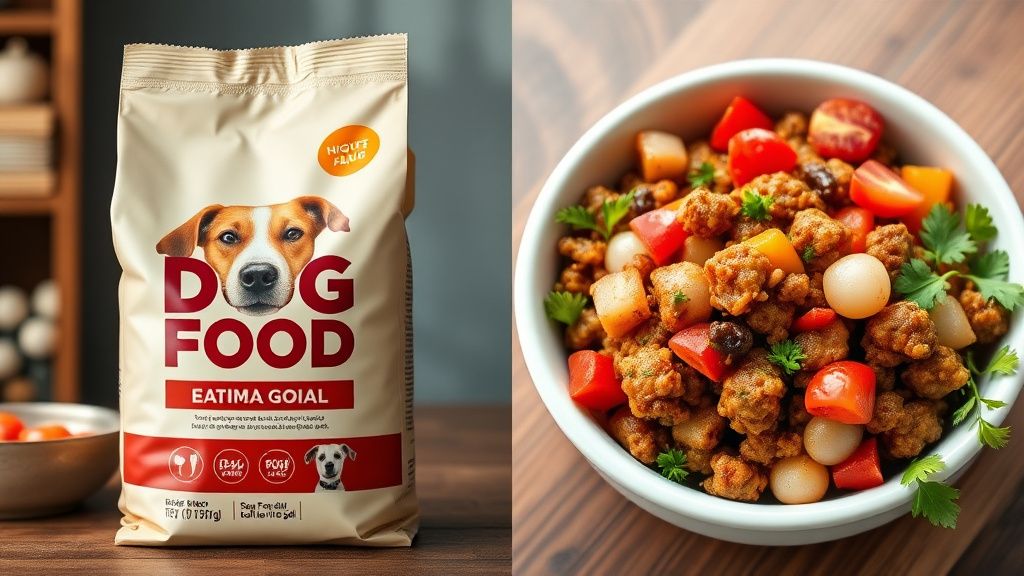
Research indicates that creating homemade dog food can offer flexibility and can often save money compared to high end commercial brands. Think premium fresh or fresh dog food delivery services. If you're currently spending a small fortune on gourmet, human grade commercial meals, switching to a thoughtfully sourced homemade plan might ease your wallet.
However, when compared to mainstream dry kibble or even many therapeutic veterinary diets, homemade often loses the cost battle. One scientific study published in the National Library of Medicine found that dry commercial therapeutic diets had a lower cost than homemade diets. Specifically, for therapeutic recipes using chicken breast as the base, the cost of homemade diets was 15.18% to 52.47% higher than their commercial counterparts.
Why is homemade so potentially expensive?
* Professional Formulation: You cannot just throw chicken and rice in a bowl. A nutritionally complete recipe must be developed by a board certified veterinary nutritionist. As noted by Nom Nom, this cost to develop a recipe is usually around $500. While you can find generic recipes online, they are rarely tailored to your dog's specific age, breed, or health condition.
* Ingredient Quality & Variety: To achieve balance, you need a wide array of ingredients: multiple protein sources, specific organs, bones (or a calcium supplement), vegetables, and supplements for vitamins and minerals. Buying these in small, fresh quantities is rarely cost effective.
* Your Time: Time is money. Shopping, prepping, cooking, and packaging weeks of meals is a significant undertaking.
For a more budget friendly fresh option, some companies offer dehydrated or freeze-dried dog food bases that you add water to, combining whole food ingredients with convenience.
The Nutritional Showdown: Balance is Everything
This is where the choice carries the most weight. Nutrition isn't just about good ingredients, it's about the precise balance of over 40 essential nutrients every single day.
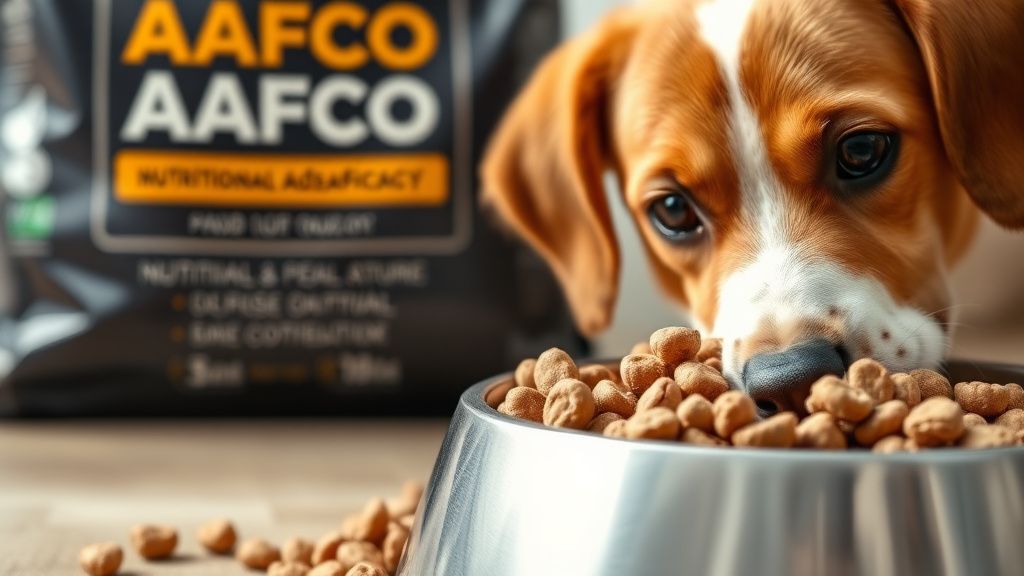
Commercial dog food, especially brands that meet AAFCO guidelines, are formulated by teams of experts. As Forbes highlights, processed pet food is complete and balanced, providing all the essential nutrients pets need on a daily basis. This reliability is their biggest strength. When you open a bag of a reputable commercial food, you have a high degree of certainty that your dog's basic nutritional needs are being met.
Homemade food shines in its potential for whole, recognizable ingredients. It appeals because of its use of real, whole ingredients, often without preservatives, fillers or artificial additives. You control exactly what goes in. This can be fantastic for dogs with specific allergies or sensitivities, provided the recipe is correctly formulated to avoid those allergens.
The critical danger of homemade diets is imbalance. A well intentioned recipe can lack crucial nutrients. As the experts at Levittown Vet point out, homemade diets often miss critical nutrients like calcium, zinc, or vitamin E. Deficiencies in these can lead to serious, sometimes irreversible health problems over time, including bone deformities, skin issues, and organ dysfunction. This is why the American Kennel Club strongly advises that home cooking is rarely cheaper than feeding your dog commercial pet food and emphasizes the need for ongoing professional guidance.
Making Homemade Work: A Practical, Safe Roadmap
If, after weighing the costs and complexities, you decide homemade is the route for you and your dog, doing it safely is non negotiable. Here is your action plan.
1. Consult a Veterinary Nutritionist First. Before you cook a single bite, schedule a consultation. As Dogster advises, speak to a qualified veterinary nutritionist to create a recipe that meets her nutritional needs while keeping costs down and offering ongoing support. This is the single most important step. Do not rely on blogs, well meaning friends, or generic online recipes.
2. Invest in Proper Supplementation. A recipe from a nutritionist will include specific supplements. Do not skip these or guess the amounts. The balance of calcium to phosphorus, for example, is vital and easily messed up.
3. Batch and Freeze. Cook in large batches and freeze in daily portions. This saves time and ensures consistency. Remember, batch cooking for large dogs can be challenging even with a large freezer.
4. Schedule Regular Check ups. Your dog's nutritional needs will change with age, activity level, and health status. Plan for regular re evaluations of the recipe, including bloodwork to check for any subclinical deficiencies.
When Commercial Food is the Smarter Choice
For the vast majority of dog owners, a high quality commercial diet is the safest, most convenient, and most cost effective path. The key is choosing wisely.
* Look for AAFCO Statements: The label should state the food is "complete and balanced" for your dog's life stage (e.g., "for adult maintenance").
* Consider Your Dog's Needs: Does your dog thrive on kibble, or do they need the moisture of wet food? Are they a picky eater who might love a dog subscription box that introduces variety with best dog treats and toppers?
* Trust in Science: Brands that employ veterinary nutritionists and conduct feeding trials offer an extra layer of assurance. These are the companies investing in the long term health research.
Commercial food also provides immense consistency, which is better for your dog's digestive system. Suddenly changing ingredients in a homemade diet, which can happen if a grocery store is out of something, can lead to stomach upset.
Final Thoughts
Choosing between homemade and commercial dog food isn't about finding a single "best" answer. It's about finding the best answer *for you and your individual dog*. It's a decision that balances your resources, your time, and your commitment to meticulous nutritional management.
If your priority is nutritional certainty, convenience, and predictable cost, a top quality commercial diet is an excellent, life supporting choice. The market offers incredible variety, from kibble to fresh dog food delivery, to suit every need.
If you have the resources for professional formulation, the time for careful preparation, and a dog with specific needs that benefit from a tailored diet, homemade can be a beautiful labor of love. Just remember, love alone isn't a nutrient. It must be paired with rigorous science.
Whichever path you choose, let it be guided by evidence and expert input, not just emotion. Your dog's wagging tail and vibrant health for years to come will be the ultimate proof that you made the right choice. For more guidance on supporting your dog's overall wellbeing, including managing stress that can affect eating habits, explore our dog anxiety guide.
Recommended Products



Find the Perfect Box for Your Dog
Compare top-rated dog subscription boxes and find the best fit for your pup.
Compare Boxes