Freeze Dried Versus Raw Dog Food Safety
Freeze-dried food offers superior safety and nutrient retention compared to raw, with a much lower pathogen risk.
Freeze dried dog food is a minimally processed raw diet that offers a high level of convenience and retains much of the nutrition of raw food. However, it is still considered raw and carries similar safety concerns unless treated with a process like High Pressure Processing (HPP). From a pure nutritional standpoint, both properly formulated frozen raw and freeze dried options can provide optimum nutrition, but safety handling is paramount for both.
Choosing what to feed your dog can feel like navigating a maze of buzzwords and conflicting advice. You want the very best for your furry friend, something that fuels their zoomies, keeps their coat shiny, and supports their health for years to come. In the world of premium dog nutrition, raw diets and their convenient cousin, freeze dried food, have surged in popularity. But what exactly sets them apart? More importantly, which one offers a safer, more nutritious bowl for your dog? Let's unpack the facts, using insights from veterinary experts and the latest research, to help you make a confident decision for your pup.
What Is Freeze Dried Dog Food, Really?
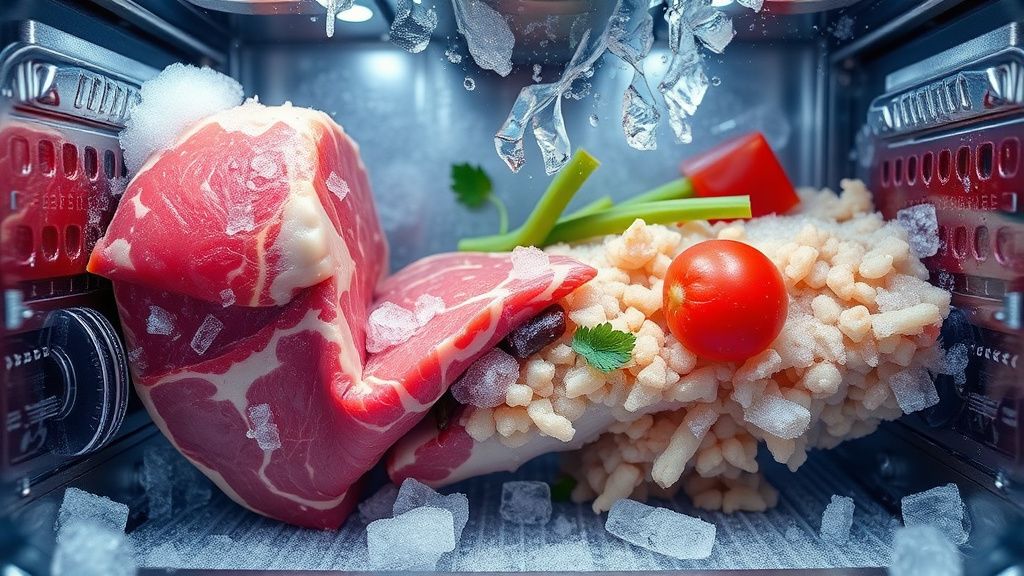
At its core, freeze dried dog food is raw food in a lightweight, shelf stable form. The process is fascinating. First, the raw ingredients – think muscle meat, organs, bone, and vegetables – are frozen solid. Then, they're placed in a vacuum chamber where the frozen water content sublimates, turning directly from ice into vapor without passing through a liquid phase. This gentle, low heat process removes moisture while aiming to preserve the nutritional integrity of the raw ingredients.
As Dog Food Advisor clarifies, freeze dried dog food is still considered raw. This is a crucial point many owners miss. The bones are often ground into a safe powder, and the finished product looks like dry, airy nuggets or medallions. Because the water is removed, it's incredibly lightweight and doesn't require refrigeration, making it a favorite for travel, hiking, or as a high value topper. It's the bridge between the nutritional goals of a raw feeder and the practical needs of a busy household.
The Raw Dog Food Foundation: Frozen vs. Freeze Dried
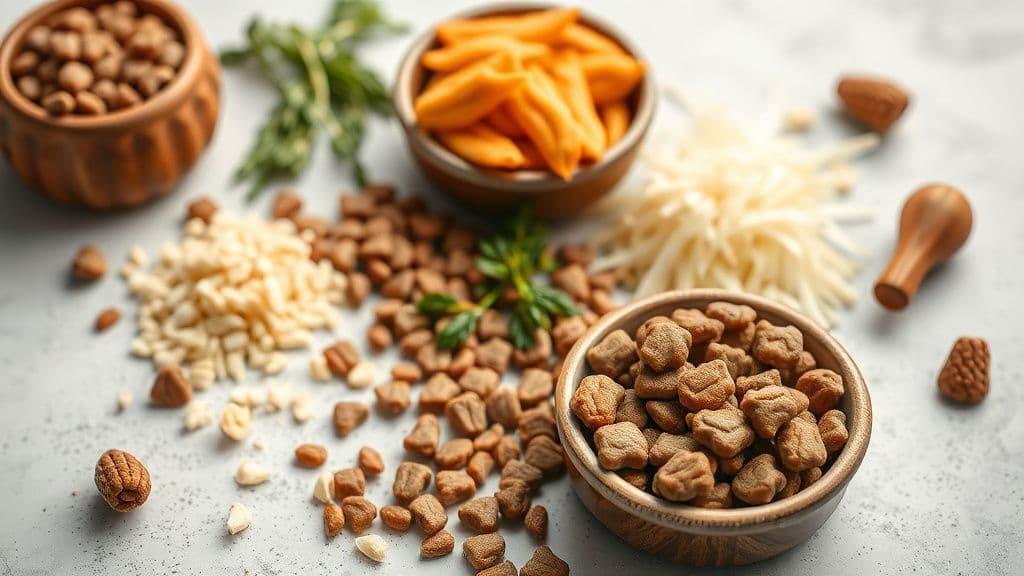
To understand freeze dried, we must first look at its origin: the raw diet. A biologically appropriate raw food diet (BARF) aims to mimic what a dog's ancestors might have eaten. It typically includes:
* Muscle meat for protein
* Organ meats like liver and kidney for vital vitamins and minerals
* Ground bone for calcium and phosphorus
* Fresh vegetables and fruits for fiber and phytonutrients
As Modern Dog Magazine notes, these vegetables provide the nutrients dogs might have historically gotten from the stomach contents of their prey. Frozen raw dog food is exactly that – these combined ingredients, portioned into patties or chubs, and stored frozen until feeding time. You must thaw it before serving.
Freeze dried raw starts with this same raw foundation. The primary difference is the preservation method. One is preserved by freezing (frozen raw), and the other by removing water through freeze drying. We Feed Raw frames it as a choice between the "moisture packed appeal of frozen raw" and the "unmatched convenience of freeze dried." This convenience is a major factor. Freeze dried food can live in your pantry for months, and rehydration takes just minutes with warm water.Nutritional Showdown: Preserving the Good Stuff
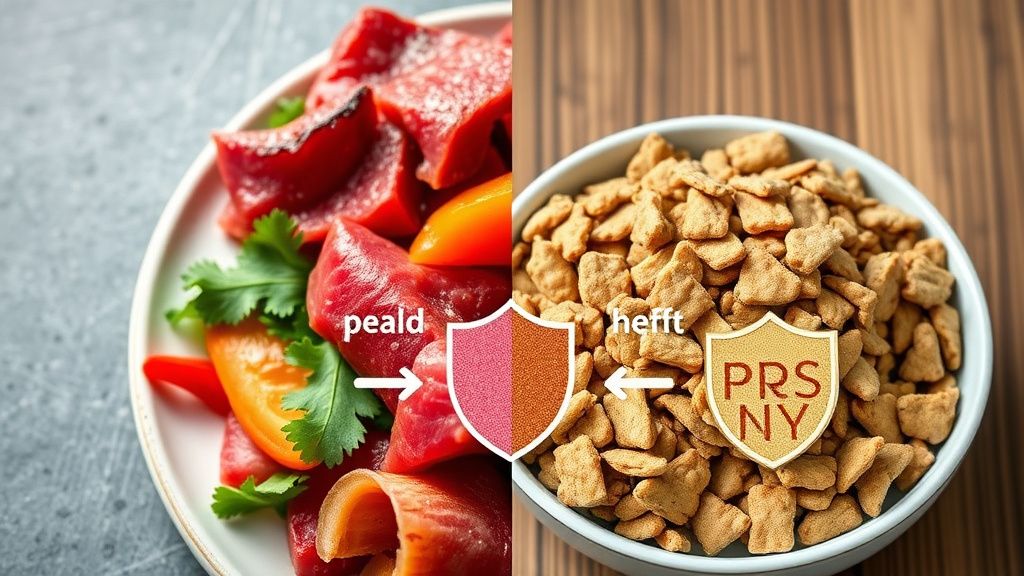
The central promise of both diets is superior nutrition through minimal processing. Kibble, as PetMD points out, is "highly processed using high heat," which can degrade certain heat sensitive nutrients like some vitamins and amino acids.
Both frozen and freeze dried raw diets seek to avoid this high heat damage. The freeze drying process uses low temperatures, which helps preserve the natural enzymes, vitamins, and proteins in the food. Dogs Naturally Magazine states that "optimum nutrition comes from freeze dried," highlighting its potential as a nutrient dense option. The nutritional profile should be very similar to its frozen raw counterpart, assuming the starting formulas are identical.
However, there's one nutritional element where they differ significantly: moisture. Frozen raw food has a high moisture content, similar to what a dog would get from eating fresh prey. Freeze dried food, in its dry state, has almost none. This isn't a drawback, but it is a consideration. When feeding freeze dried, you must either rehydrate it thoroughly or ensure your dog drinks plenty of water separately to support proper hydration and kidney health.
The Safety Question: Bacteria, Handling, and HPP
This is the most debated aspect of raw feeding, and it applies fully to freeze dried food since it is raw. The concern is pathogenic bacteria like Salmonella and E. coli, which can be present in raw meat and pose risks to both pets and human family members.
The Merck Veterinary Manual, cited in research, includes commercial freeze dried diets in its category of raw meat based diets. A veterinarian quoted by Great Pet Care recommends "avoiding raw and freeze dried animal tissue based products" unless the pet has a specific health condition that warrants the risk, reflecting a common veterinary stance centered on safety.
So, is all freeze dried food equally risky? Not necessarily. Here's where modern technology enters. Dog Food Advisor reveals that "Some (but not all) freeze dried dog foods have been prepared using a special germ control process known as High Pressure Processing (or HPP). Supporters claim the process renders the food safer than a traditional raw diet."
HPP subjects the sealed food to extremely high water pressure, which can effectively reduce harmful bacterial loads without heat. If safety is your top concern, seeking out a freeze dried brand that uses HPP is a critical step. Always check the label or contact the company to confirm their safety protocols.
Regardless of HPP, handling precautions are non negotiable:
* Wash your hands, bowls, and surfaces thoroughly after handling.
* Do not use the food near immunocompromised individuals.
* Store opened bags securely.
For many owners, the calculated safety upgrade of an HPP treated freeze dried food, combined with strict hygiene, feels like a manageable compromise to access raw nutrition. If you're worried about your dog's stress around mealtime, which can sometimes be linked to diet, our dog anxiety guide offers helpful tips.
Convenience and Cost: The Practical Trade Offs
Let's talk about real life logistics. This is where freeze dried food truly shines.
Frozen Raw: Requires significant freezer space. You must remember to thaw portions ahead of time (never microwave!). It's messy to handle and not ideal for travel or days out. Forgetting to thaw means a last minute scramble. Freeze Dried: Shelf stable and lightweight. You can store a month's worth in a cupboard. It's perfect for dog subscription box delivery models, as it ships easily without cooling. It's the ultimate travel food – just add water. As Steve's Real Food points out, "freeze drying gives you the CONVENIENCE of storing the food in the pantry." Hungry Hound confirms that "freeze dried food takes the win in this category."The trade off is cost. Freeze drying is an expensive process, and you are paying for that convenience and the removal of water weight. Per feeding, high quality freeze dried food is often more expensive than frozen raw. However, its nutrient density and digestibility can mean you feed less volume compared to kibble, which can offset the price somewhat.
Making the Choice: Which is Right for Your Dog?
There's no universal "best" choice. It depends on your dog's needs and your lifestyle.
Consider Freeze Dried If:* You want the nutritional benefits of raw but lack freezer space.
* Your lifestyle is busy or you travel frequently with your dog.
* You want the ease of a dog food delivery service without the logistical hassle of frozen shipments.
* You're looking for an exceptionally palatable food for a picky eater or a high value best dog treats alternative.
* You can find a reputable brand that uses HPP for added safety.
Consider Frozen Raw If:* You have ample freezer space and a reliable routine for thawing.
* You prefer food in its most natural, unaltered (except for freezing) state with full moisture content.
* Cost per meal is a primary factor, as frozen is often less expensive than freeze dried.
* You are comfortable with strict raw food handling protocols.
For some dogs, especially those with sensitive stomachs or allergies, a single protein novel protein freeze dried formula can be a game changer for identifying triggers. Always transition any new food gradually over 7-10 days.
Final Thoughts
The debate between freeze dried and raw dog food isn't about one being universally superior. It's about aligning a powerful nutritional philosophy with the realities of your daily life. Freeze dried raw offers a spectacular compromise: a minimally processed, nutrient dense diet with a level of convenience that makes raw feeding accessible to far more people. However, we must respect that it is still a raw product, demanding careful handling and, ideally, the extra safety step of HPP.
Frozen raw remains the gold standard for moisture content and a completely unprocessed texture, appealing to purists. Whichever path you choose, the most important steps are to select a complete and balanced formula from a transparent company, handle it with care, and observe how your dog thrives on it. Their energy, coat health, and overall vitality will be the best indicators that you've found the right nutritious and safe choice for your individual companion.
Recommended Products



Find the Perfect Box for Your Dog
Compare top-rated dog subscription boxes and find the best fit for your pup.
Compare Boxes