Can Dogs Eat Salmon Safely
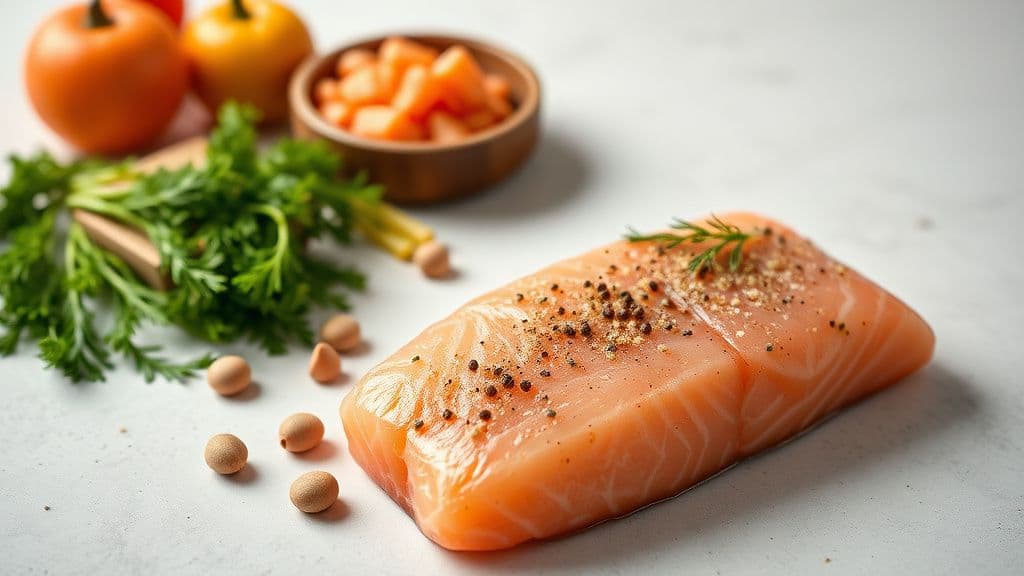
Discover if salmon is safe for dogs and how to properly include fish in their diet for optimal health.
Yes, dogs can eat salmon, but it must be fully cooked and served plain. Raw or undercooked salmon can cause fatal salmon poisoning disease. For most dogs, cooked salmon should be an occasional treat, not a daily meal, unless it's part of a formulated commercial diet.

Picture a plate of perfectly cooked salmon, its aroma filling the kitchen. Your dog is sitting nearby, watching every move with hopeful eyes. You wonder if sharing this nutritious fish could benefit your furry friend. As a dog care writer, I've fielded this question from countless pet parents. The answer is nuanced, blending exciting benefits with critical cautions. Salmon can be a fantastic source of protein and healthy fats for dogs, but the path from your plate to their bowl requires careful navigation. Let's explore how to safely incorporate this popular fish into your dog's diet, turning a simple question into a plan for better health.
Why Salmon is a Superfood for Dogs
Salmon isn't just a tasty human meal, it's packed with nutrients that can directly support your dog's wellbeing. When properly prepared, it offers a powerhouse of benefits.
First, salmon is an excellent source of high quality protein. Protein is essential for maintaining strong muscles, supporting healthy organ function, and providing energy for all those playful zoomies. Dogs are omnivores with a strong carnivorous leaning, which means "they can eat all kinds of meat, including fish," as noted by veterinary nutrition expert Dr. Robert C. Backus.
Beyond protein, salmon is famous for its omega 3 fatty acids. These fats are crucial for:
* Promoting a healthy skin and coat, reducing dryness and itching.
* Supporting joint health and mobility, which is especially important for active or aging dogs.
* Contributing to cognitive function and overall cellular health.
Many premium dog subscription boxes and best dog treats now include salmon based products precisely for these benefits. It's a nutrient dense alternative or supplement to more common proteins like chicken or beef.
The Critical Danger: Salmon Poisoning Disease
This is the most vital section for every dog owner. The nutritional promise of salmon comes with a serious caveat: raw salmon is a dangerous threat.
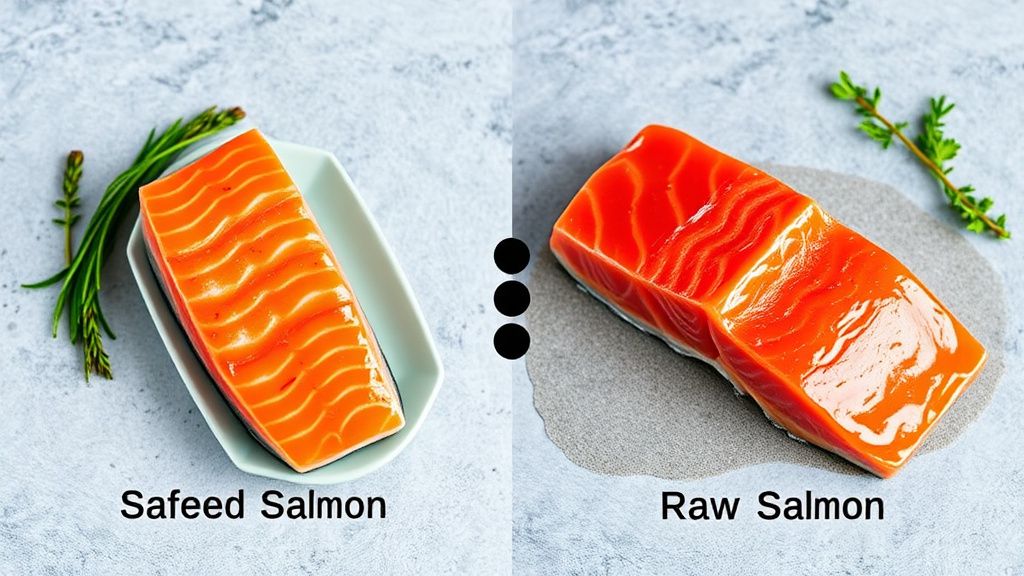
Raw and undercooked salmon can contain a parasite called *Neorickettsia helminthoeca*. This parasite causes salmon poisoning disease, a condition that is fatal in 90% of untreated cases, according to the American Kennel Club. The disease doesn't discriminate by breed or size, any dog that consumes infected raw fish is at risk.
Symptoms typically appear within six days after eating raw fish and can include:
* Fever
* Vomiting and diarrhea
* Loss of appetite
* Severe dehydration
* Weakness
If you suspect your dog has eaten raw salmon or shows these symptoms, contact your veterinarian immediately. Treatment is available, but timing is critical. It's also worth knowing that fish carrying this parasite are particularly prevalent in certain regions, like the Puget Sound and the coast of Northern California. Freezing or curing the fish does not reliably eliminate this risk, so the only safe course is to always cook salmon thoroughly.
How to Safely Prepare Salmon for Your Dog
Safety is all about preparation. "Yes, dogs can eat salmon, but proper preparation is absolutely critical for their safety," as emphasized by MOWI Salmon. Here's your actionable guide to doing it right.
Cook it thoroughly. Salmon must be cooked to an internal temperature that kills any parasites or harmful bacteria. Baking, steaming, or poaching without added oils are excellent methods. Avoid frying, which adds unnecessary fats. Serve it plain. Your dog's salmon should be free from any seasonings, sauces, butter, garlic, onions, or salt. These common human additions can cause gastrointestinal upset or even toxicity in dogs. Remove all bones. Cooked salmon bones can splinter and pose a choking hazard or cause internal damage. Carefully check the fish and ensure it's boneless before serving. Start small. The AKC advises that "the first time you give your dog any fish, give only a small portion." Monitor your dog for any signs of an allergic reaction or digestive issues before offering a larger serving.For pet parents looking for convenience without the prep work, many fresh dog food and freeze dried dog food delivery services offer salmon recipes that are already cooked, balanced, and ready to serve.
How Much and How Often Can Dogs Eat Salmon?
Moderation is key. Even perfectly cooked salmon should typically be a treat, not a staple.
For salmon you prepare yourself at home, most experts recommend limiting it to a once a week treat. It should not become the main meal of the day. A good rule of thumb is that treats, including salmon, should make up no more than 10% of your dog's total daily caloric intake. A few small, boneless flakes are sufficient for most dogs.
However, there's an exception when salmon is part of a complete commercial diet. "Salmon infused commercial diets are typically safe, as they're cooked and formulated to eliminate this risk," notes the AKC. If you choose a commercial dog food where salmon is the main protein source, your dog can eat it daily because it's designed to be nutritionally balanced. Purina suggests evaluating your dog's current diet first: "If he happily eats his food and gets great veterinary check up reports, it is fine to keep feeding him this food." Switching to a salmon based food should be a deliberate choice based on your dog's needs.
Other Fish in Your Dog's Diet
Salmon often leads the conversation, but other fish can also be healthy options. The same safety rules apply: cook thoroughly, serve plain, and remove bones.
* Tuna: In small amounts, cooked tuna can be okay. Avoid canned tuna packed in oil or with added salt.
* Whitefish: Cod, halibut, and other white fish are often leaner protein sources and can be gentle on the stomach.
* Sardines: These small fish are often packed with omega 3s and can be a good occasional treat.
Always introduce any new fish gradually. Watch for any adverse reactions like itching, digestive upset, or changes in behavior. Some dogs with general dog anxiety or sensitivity may react to dietary changes, so a slow introduction helps you spot problems early.
Salmon Oil and Commercial Salmon Foods
If you love the benefits of salmon but don't want to cook it weekly, there are excellent alternatives.
Salmon Oil: This is a popular supplement added directly to food. It concentrates the omega 3 benefits for skin, coat, and joints. Ensure you choose a product designed for pets and follow dosing guidelines. Commercial Salmon Dog Food: Many high quality kibble, wet food, and prepared fresh diets feature salmon. These are formulated by pet nutritionists to be complete and balanced, providing all the necessary vitamins and minerals alongside the salmon protein. They offer a safe and consistent way to include salmon in your dog's daily diet.Final Thoughts
Salmon can be a wonderful, health boosting addition to your dog's menu. The journey from a risky raw fish to a safe superfood is defined by a few simple rules: cook it completely, keep it plain, and practice moderation. Whether you're sharing a few flakes from your dinner, adding a salmon oil supplement to their kibble, or opting for a premium salmon based dog food delivery service, you're tapping into a source of fantastic nutrition.
Remember, your dog's overall diet should be balanced and complete. Even the best treats are just one part of their nutritional picture. When in doubt, consult your veterinarian, especially if you're considering a major diet change. By understanding both the power and the precautions of feeding salmon, you can make confident choices that contribute to a long, vibrant, and healthy life for your best friend.
Recommended Products



Find the Perfect Box for Your Dog
Compare top-rated dog subscription boxes and find the best fit for your pup.
Compare Boxes