Top Low Phosphorus Dog Kidney Diets

Discover low phosphorus dog foods to support kidney health and improve your pet's quality of life.
The best dog food for kidney disease is a veterinary or commercial diet specifically formulated to be low in phosphorus and often lower in protein, with top quality ingredients, increased omega-3 fatty acids, and higher moisture content. Key options include veterinary prescription diets like Hill's Prescription Diet k/d and Royal Canin Veterinary Diet Renal Support, as well as some carefully selected non-prescription commercial foods or a vet-supervised homemade diet using low phosphorus ingredients like egg whites, white fish, and white rice.
Seeing your dog diagnosed with kidney disease can feel overwhelming. You want to do everything right to support their health and comfort, and it all starts with what goes in their bowl. Nutrition isn't just part of the management plan for chronic kidney disease (CKD); it is often the cornerstone. The right food can slow the progression of the disease, manage symptoms, and significantly improve your dog's quality of life. But with so many terms like "low phosphorus" and "renal support" floating around, figuring out what to feed can be confusing. Let's break down exactly what makes a food kidney-friendly and explore your best options, from veterinary diets to thoughtful homemade meals.
Understanding the Kidney-Friendly Nutrient Profile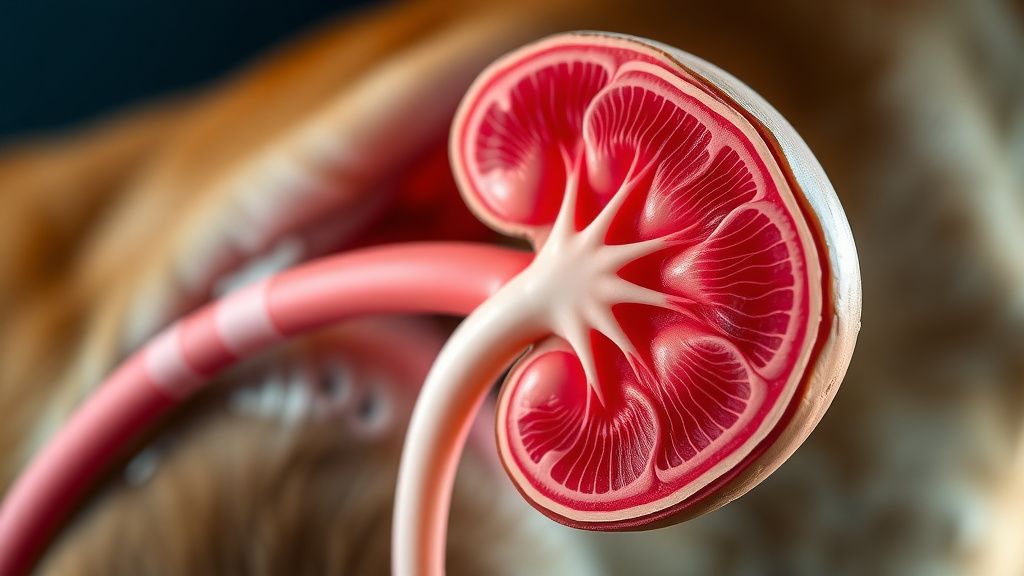
Kidneys are incredible filters, working to remove waste products from the blood. When they're not functioning at full capacity, substances like phosphorus and the waste products from protein metabolism can build up to toxic levels. A kidney support diet is carefully crafted to reduce this burden.
According to veterinary experts, these diets have a very specific nutrient profile compared to regular adult dog food. They are formulated to deliver reduced levels of phosphorus, sodium, and protein. At the same time, they often have increased levels of beneficial omega-3 fatty acids and potassium. It's a precise balance. The goal isn't just to restrict things, but to provide optimal, top quality nutrition that supports the kidneys without overworking them.
Why Phosphorus is Public Enemy Number One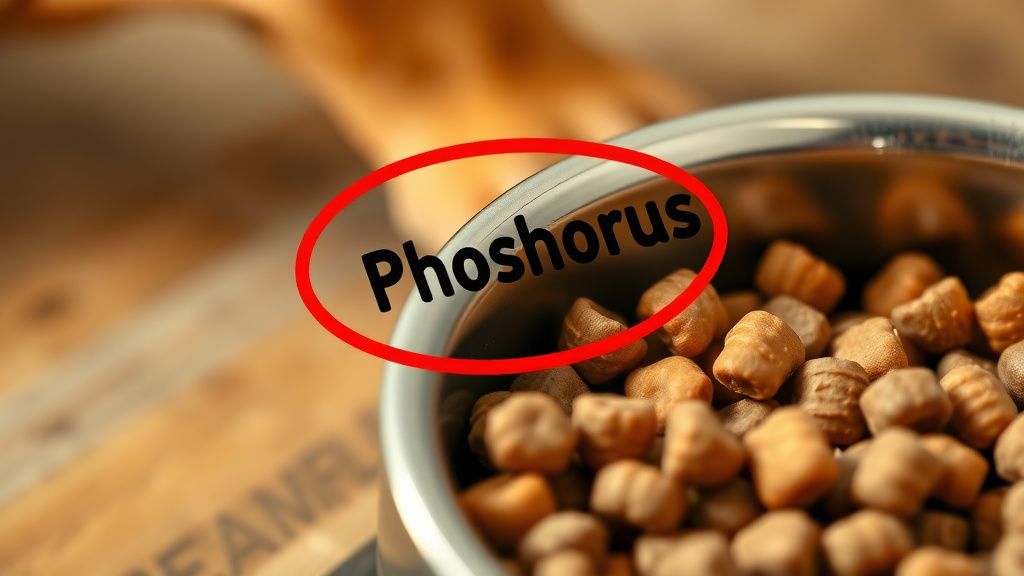
If there's one nutrient to watch closely, it's phosphorus. High phosphorus levels in the blood (hyperphosphatemia) are directly linked to faster progression of kidney disease and can make your dog feel very unwell. Controlling phosphorus intake is arguably the most critical dietary step you can take.
Veterinary prescription renal diets are designed with strict phosphorus control in mind. For dogs with moderate stage kidney disease, the requirements become even more stringent. Some resources indicate that foods may need to provide less than 0.6% phosphorus on a dry matter basis. This is a technical way of comparing foods regardless of their moisture content, and it's a number your veterinarian can help you understand when evaluating any food label.
Top Commercial Choices for Kidney SupportYou have several avenues to explore when shopping for kidney-friendly food. The most studied and recommended options are veterinary therapeutic diets.
* Veterinary Prescription Diets: These are available through your veterinarian and are backed by extensive research. Hill's Prescription Diet k/d is frequently highlighted for its proven formula that controls phosphorus and enhances omega-3s, making it a strong choice for early-stage management. Royal Canin Veterinary Diet Renal Support is another leading option, praised for offering variety in flavors like chicken and fish, which can help with picky eaters, a common challenge with dogs feeling unwell.
* Non-Prescription Commercial Diets: Some commercial brands offer foods that may meet the low-phosphorus criteria for early stage or mild kidney issues. These can be found in specialty pet stores or through online retailers. However, it requires diligent label reading and often a call to the manufacturer to get the precise dry matter phosphorus percentage. As one expert source notes, it can be surprisingly hard to find this crucial information on websites or labels. Never hesitate to ask your vet for help interpreting this data.
* The Moisture Factor: Whether you choose a prescription or commercial diet, seriously consider the wet or canned version. Kidney diets benefit from high water content. The extra moisture helps with hydration, supports kidney function, and can make the food more palatable and easier to eat for a dog who may be nauseous. As the team at My Pet Nutritionist points out, if using a veterinary diet, the wet version is often a better option.
The Homemade and Fresh Food RouteFor some pet parents, a customized fresh diet is the gold standard. A vet-supervised homemade diet allows for ultimate control over ingredients and palatability, which is a huge advantage for a dog with a low appetite.
If you go this route, focus on low-phosphorus protein sources. Excellent choices include egg whites, chicken breast, and white fish. You can rotate between these proteins to keep meals interesting. For carbohydrates, white rice is a smart base, it's low in phosphorus and potassium compared to other grains. Lightly steaming vegetables can make them easier to digest and add valuable nutrients. Remember, this is not a do-it-yourself project. Any homemade renal diet must be formulated by a veterinary nutritionist to ensure it's complete, balanced, and perfectly tailored to your dog's current bloodwork and stage of disease.
Key Ingredients to Embrace and to AvoidLet's get practical. What should you look for in a kidney-friendly meal?
* Embrace: top quality, digestible proteins (even in reduced amounts), omega-3 rich foods like fish oil, low-phosphorus carbs like white rice, and plenty of moisture. Palatability is king, so don't be afraid to use gentle flavors and toppers approved by your vet.
* Avoid: High-phosphorus ingredients like organ meats, bone meal, and certain dairy products. Also limit high-sodium foods, as salt can increase blood pressure and further stress the kidneys.
Managing Mealtime for a Dog with CKDA diagnosis can change your dog's eating habits. Nausea, a metallic taste in the mouth, and general lethargy can steal their appetite.
Here are a few strategies:
* Warm the food slightly to enhance aroma.
* Offer smaller, more frequent meals instead of one or two large ones.
* Hand-feed for a while to encourage eating.
* Discuss anti-nausea medications with your vet if needed.
* For extreme pickiness, rotating between approved proteins like turkey, white fish, and egg whites can prevent boredom. Think of it like a dog food delivery service for a gourmand with very specific dietary needs, variety within strict parameters is key.
In some cases, even with a perfect diet, phosphorus levels may remain high. This is where your veterinarian might recommend adding a phosphorus binder, such as Aluminum Hydroxide, to your dog's meals. This medication binds to phosphorus in the food, preventing its absorption and allowing it to pass safely through the digestive system.
Partnering With Your VeterinarianThis cannot be overstated: your veterinarian is your essential partner. Kidney disease is progressive, and your dog's dietary needs will change over time. A diet that works in the early stages may need adjustment later on. Regular blood tests are the only way to monitor phosphorus, creatinine, and other vital levels, allowing your vet to fine-tune the dietary plan. They can also help you navigate the often-confusing world of dog food labels and prescription diets.
Final Thoughts
Choosing the best food for your dog with kidney disease is one of the most powerful ways you can advocate for their health and longevity. The path involves a commitment to low phosphorus, top quality nutrition, and plenty of moisture, all tailored to your dog's individual stage of disease. Whether you select a trusted prescription diet, a carefully vetted commercial option, or a nutritionist-designed homemade meal, the consistency and care you put into each bowl matters immensely.
Remember to extend this thoughtful care to all aspects of their life. Keep them hydrated, manage their stress with calm routines (our dog anxiety guide has tips that can help even in these circumstances), and cherish the moments together. With the right dietary strategy and a strong veterinary team, you can help your dog live a more comfortable and joyful life.
Recommended Products



Find the Perfect Box for Your Dog
Compare top-rated dog subscription boxes and find the best fit for your pup.
Compare Boxes